
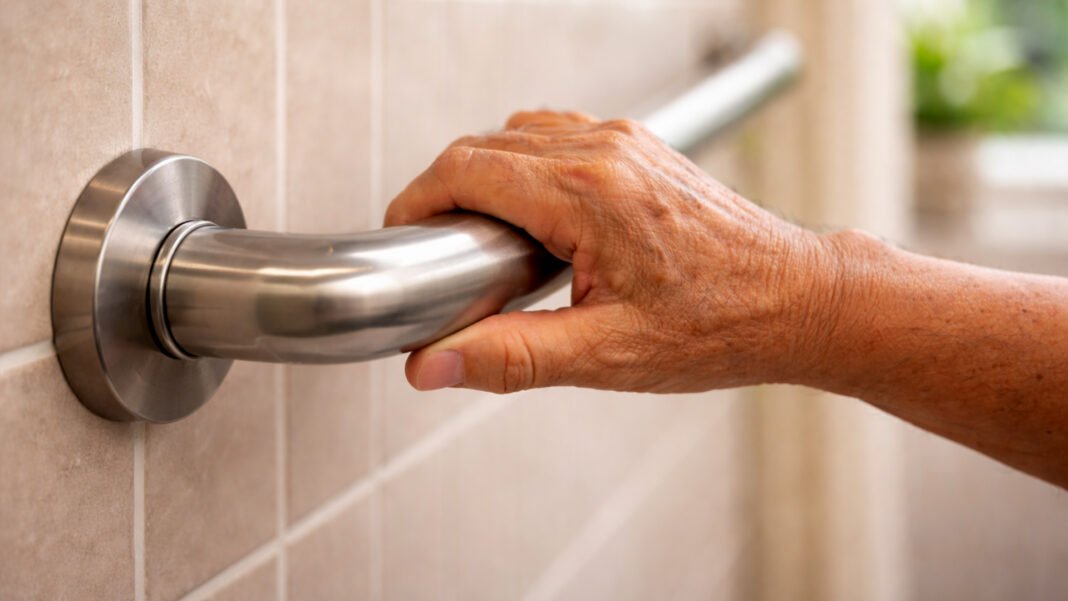
Falls are a major concern for older adults and seniors, often leading to serious injuries, loss of independence, and increased healthcare needs. By understanding fall risks in older adults, families and caregivers can take proactive steps to reduce hazards and support safe, independent living. This article explores the most common causes of falls, practical prevention strategies, and essential safety products that can make a real difference.
Addressing the factors that contribute to falls is crucial for maintaining quality of life as we age. Whether you’re a senior, a loved one, or a caregiver, learning about risk factors and solutions helps create a safer home environment. For those interested in a broader overview of home safety, our senior home safety essentials guide offers additional tips for independent living.
Why Falls Are a Serious Issue for Seniors
Falls are the leading cause of injury among people aged 65 and older. The consequences can be severe, including fractures, head injuries, and a decline in mobility. According to the CDC, one out of four older adults falls each year, and many do not report it due to fear of losing independence.
The impact of a fall goes beyond physical injuries. Many seniors experience a loss of confidence, leading to reduced activity and social isolation. This can create a cycle where decreased movement further increases the risk of future falls.
Key Factors Contributing to Fall Risks in Older Adults
Several factors increase the likelihood of falls in the aging population. Recognizing these risks is the first step in prevention.
- Muscle Weakness and Balance Issues: Age-related muscle loss and balance problems make it harder to recover from slips or trips.
- Chronic Health Conditions: Conditions such as arthritis, diabetes, heart disease, and vision impairment can affect stability and reaction time.
- Medication Side Effects: Some prescriptions cause dizziness, drowsiness, or low blood pressure, all of which can contribute to falls.
- Environmental Hazards: Cluttered walkways, loose rugs, poor lighting, and slippery bathroom surfaces are common household dangers.
- Footwear and Mobility Aids: Ill-fitting shoes or improper use of canes and walkers can increase instability.
For a comparison of different mobility solutions, see our article on support rails vs other mobility aids.
Common Places Where Falls Occur
Certain areas of the home present higher risks for falls, especially for seniors with limited mobility or vision. Bathrooms, stairs, and entryways are frequent sites of accidents. Wet floors, lack of grab bars, and poor lighting are often contributing factors.
Effective Strategies for Preventing Falls
Taking action to reduce hazards and support mobility can significantly lower the risk of falls. Here are some practical steps:
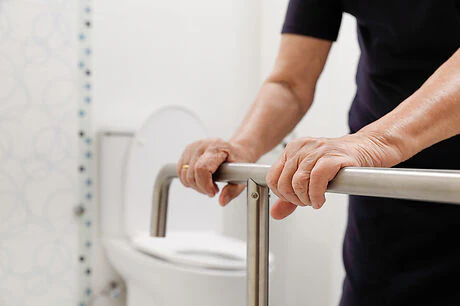
- Install Safety Devices: Adding grab bars in bathrooms and handrails on stairs provides extra support. For more on this, see how grab bars improve safety for seniors in assisted living.
- Improve Lighting: Ensure all areas, especially hallways and bathrooms, are well-lit. Consider night lights for nighttime navigation.
- Remove Tripping Hazards: Keep floors clear of clutter, secure loose rugs, and organize electrical cords out of walkways.
- Use Non-Slip Mats: Place these in bathtubs, showers, and on tile floors to prevent slipping.
- Stay Active: Gentle exercises like walking, tai chi, or balance training can improve strength and stability.
- Review Medications: Regularly consult with healthcare providers to minimize side effects that could affect balance.
- Wear Proper Footwear: Choose shoes with non-slip soles and good support.
For more bathroom-specific advice, our wet floor safety solutions article covers modern options to reduce slipping hazards.
How to Assess and Address Home Hazards
A thorough home safety assessment can reveal hidden dangers. Walk through each room, looking for potential tripping points, slippery surfaces, and areas lacking support. Involve the older adult in the process to ensure solutions are practical and comfortable.
Some key areas to check include:
- Bathroom: Install grab bars, raised toilet seats, and non-slip mats.
- Stairs: Add sturdy handrails on both sides and ensure steps are well-lit.
- Living Areas: Arrange furniture to create clear pathways and remove unnecessary items.
- Entryways: Use ramps or threshold strips for easier access.
If vision is a concern, consider specialized lighting. Our guide on walk-in shower lighting for low vision users offers targeted advice.
Choosing the Right Safety Products for Fall Prevention
Selecting appropriate aids can make a significant difference in reducing falls. Some of the most effective products include:
- Grab Bars and Handrails: Essential for bathrooms and stairways, these provide reliable support during transfers and movement.
- Toilet Safety Rails: These help with sitting and standing, reducing the risk of slips in the bathroom.
- Non-Slip Flooring: Upgrading to slip-resistant surfaces in high-risk areas can prevent many accidents.
- Shower Chairs and Benches: Allow safe bathing without the need to stand for extended periods.
For more ideas on optimizing your bathroom, check out our article on how to maximize space in a walk-in shower.
Supporting Independence While Reducing Risks
Promoting safety does not mean sacrificing autonomy. Involving seniors in decisions about home modifications and daily routines helps maintain dignity and confidence. Encourage open conversations about concerns and preferences, and regularly reassess needs as health conditions change.
Community resources, such as occupational therapists or home safety specialists, can provide valuable guidance. Many local organizations offer home assessments and recommendations tailored to individual needs.
Frequently Asked Questions
What are the most common causes of falls in seniors?
The most frequent causes include muscle weakness, balance problems, chronic health conditions, medication side effects, and environmental hazards like slippery floors or poor lighting.
How can families help prevent falls at home?
Families can support loved ones by removing tripping hazards, installing safety devices like grab bars, ensuring good lighting, and encouraging regular exercise to maintain strength and balance.
Are grab bars and safety rails worth installing?
Yes, grab bars and safety rails are highly effective in preventing falls, especially in high-risk areas like bathrooms and stairways. They provide extra support and confidence for seniors moving around the home.