
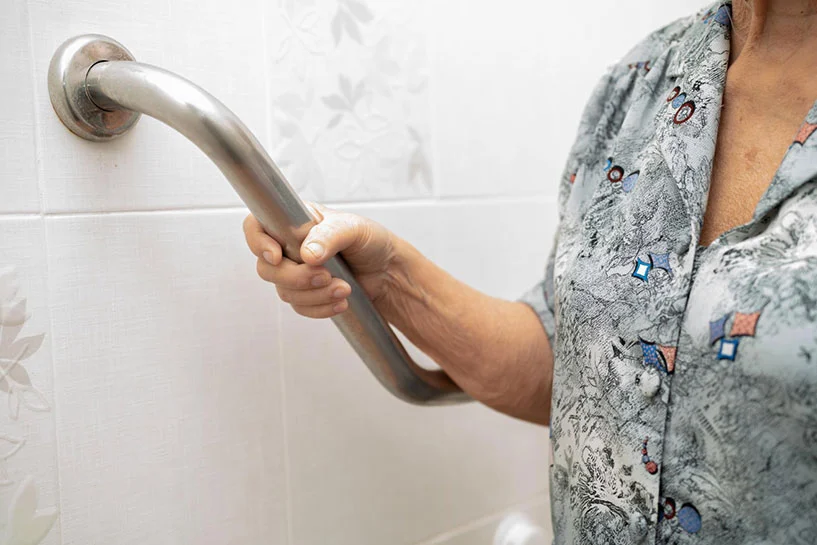
Designing a shower that prioritizes safety, comfort, and accessibility is essential for older adults and modern seniors. As mobility and balance can change with age, the risk of slips and falls in the bathroom increases. A well-planned shower space not only supports independence but also brings peace of mind to families and caregivers. This guide explores practical solutions and best practices for creating a bathroom environment that is both functional and stylish, while focusing on safe shower design for older adults.
For those interested in a comprehensive approach to home safety, the aging in place home improvement checklist offers valuable insights on adapting living spaces for long-term comfort and security.
Why Prioritize Safety in Senior Showers?
Bathrooms are among the most hazardous areas in any home, especially for seniors. Slippery surfaces, high thresholds, and limited support can lead to serious injuries. According to the CDC, falls are the leading cause of injury among older adults, and a significant portion of these incidents occur in the bathroom. By focusing on safe shower design for older adults, families can help reduce these risks and support aging in place.
Integrating bathroom safety solutions for multigenerational homes can further enhance the usability of the space for everyone, regardless of age or ability.
Key Elements of a Senior-Friendly Shower
Creating a secure and accessible shower involves several important features. Here are the most effective elements to consider:
- Low or Zero-Threshold Entry: Step-in showers with minimal or no curb reduce tripping hazards and allow for easy wheelchair or walker access.
- Non-Slip Flooring: Textured tiles or slip-resistant mats help prevent falls, even when the floor is wet.
- Grab Bars and Handrails: Sturdy, well-placed grab bars provide support for entering, exiting, and moving within the shower.
- Handheld Showerheads: Adjustable showerheads on a sliding bar make bathing easier for those with limited mobility or who prefer to sit while showering.
- Shower Seats or Benches: Built-in or fold-down seats offer a safe place to rest and reduce fatigue during bathing.
- Easy-to-Use Controls: Lever-style or push-button controls are simpler for arthritic hands and minimize the risk of scalding.
- Good Lighting: Bright, glare-free lighting improves visibility and helps prevent accidents.
For more tips on adapting your bathroom, see our guide on building a safer bathroom for aging adults.
Grab Bars: The Cornerstone of Safe Shower Design
Installing grab bars is one of the most effective ways to improve shower safety for seniors. These fixtures provide essential support for balance and stability, especially when entering or exiting the shower. Grab bars should be securely anchored into wall studs and positioned at heights that suit the user’s needs. Horizontal, vertical, and angled placements can all be beneficial, depending on the layout and individual preferences.

For a deeper look at the benefits and best installation practices, this resource on how grab bars improve safety for seniors is highly recommended.
Accessible Fixtures and Controls
Modern shower designs for seniors emphasize ease of use. Controls should be within reach from both a standing and seated position. Lever handles are preferable to knobs, as they require less strength and dexterity. Thermostatic valves can help maintain a consistent water temperature, reducing the risk of burns. Consider placing shelves or niches at accessible heights for toiletries, so users do not have to bend or stretch.
Integrating smart home features that support senior mobility can further enhance convenience, such as voice-activated lighting or water controls.
Shower Seating and Supportive Accessories
Shower seats or benches are invaluable for those who tire easily or have difficulty standing for long periods. Choose a seat that is sturdy, water-resistant, and easy to clean. Fold-down models can save space in smaller showers. Pairing a seat with a handheld showerhead allows for comfortable, seated bathing. Additional accessories, such as corner shelves or caddies, should be installed at reachable heights to minimize stretching or bending.
Lighting and Visibility Enhancements
Good lighting is crucial in a senior-friendly shower. Install bright, even lighting that minimizes shadows and glare. Consider motion-activated lights for added convenience. Contrasting colors between the shower floor, walls, and fixtures can help those with visual impairments distinguish different surfaces more easily.
For additional ideas on adapting your home for safety and comfort, our article on easy home modifications for elderly safety provides practical suggestions for every room.
Maintenance and Regular Safety Checks
Maintaining a safe shower environment requires regular inspections. Check grab bars and handrails for stability, ensure non-slip mats remain effective, and replace any worn or damaged fixtures promptly. Clean shower surfaces frequently to prevent mold and soap buildup, which can increase slipperiness. Encourage open communication with seniors about any difficulties they experience, so adjustments can be made as needed.
Frequently Asked Questions
What are the most important features for a senior-safe shower?
The most critical features include non-slip flooring, grab bars, low or zero-threshold entry, a sturdy shower seat, easy-to-use controls, and bright lighting. These elements work together to reduce fall risks and support independent bathing.
How should grab bars be installed in a shower?
Grab bars should be anchored into wall studs for maximum stability. Place them at heights and angles that match the user’s needs, typically 33–36 inches from the floor for horizontal bars. Consult a professional installer if unsure about placement or mounting methods.
Can a safe shower design still look modern and stylish?
Absolutely. Many manufacturers offer accessible fixtures in contemporary finishes and designs. Features like sleek grab bars, frameless glass doors, and integrated seating can blend seamlessly with modern decor while maintaining safety.
Conclusion
Thoughtful safe shower design for older adults is essential for supporting independence and well-being as we age. By incorporating accessible features, sturdy support, and user-friendly controls, families can create a bathroom that is both secure and inviting. Regular maintenance and open communication ensure that the space continues to meet evolving needs. With the right planning and products, a safe, comfortable shower is within reach for every senior and their loved ones.