
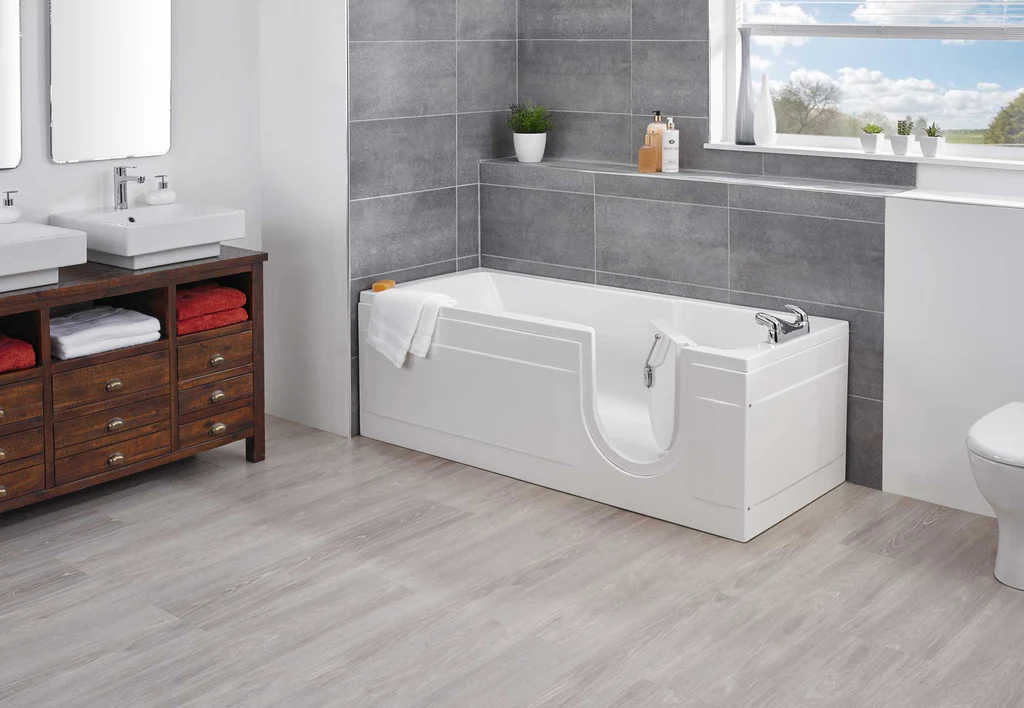
Designing a walk-in shower that feels spacious and functional is a top priority for many homeowners, especially when working with limited square footage. Whether you’re updating an existing bathroom or planning a new installation, making the most of every inch can transform your daily routine. This article explores practical strategies and smart design choices that help you achieve a roomy, accessible, and organized walk-in shower—without sacrificing style or comfort.
From layout adjustments to clever storage solutions, there are numerous ways to enhance both the usability and aesthetic appeal of your shower area. We’ll cover essential tips, product recommendations, and expert insights to help you create a bathing space that truly works for your needs. For those interested in ongoing maintenance, you may also want to learn about the benefits of microfiber towels for walk-in showers to keep your space clean and inviting.
Smart Layout Choices for a Spacious Feel
The foundation of an efficient walk-in shower starts with its layout. Opting for a curbless entry not only improves accessibility but also creates a seamless transition between the shower and the rest of the bathroom. This design eliminates barriers, making the area appear larger and more open.
Consider using clear glass panels instead of opaque curtains or frosted doors. Transparent enclosures allow light to flow freely, visually expanding the space. If privacy is a concern, partial frosted glass or strategically placed tiles can offer a balance between openness and discretion.
Corner installations are another effective way to conserve floor space. By positioning the shower in a corner, you free up valuable room for other fixtures or storage. For those with particularly tight bathrooms, a neo-angle or quadrant-shaped shower can maximize every square foot.
Choosing Fixtures and Fittings to Enhance Space
When selecting fixtures, opt for wall-mounted faucets, showerheads, and controls. These minimize clutter and keep the floor area clear. Recessed shelves or built-in niches provide storage for toiletries without protruding into the shower, maintaining a streamlined look.
Compact benches or fold-down seats offer comfort without taking up permanent space. If you require grab bars for safety, choose sleek, integrated designs that double as towel racks or shelves. This dual-purpose approach reduces the need for extra hardware.
For those interested in hydrotherapy features, understanding walk-in tub foot massage jet benefits can help you decide which features to prioritize without overcrowding your shower area.
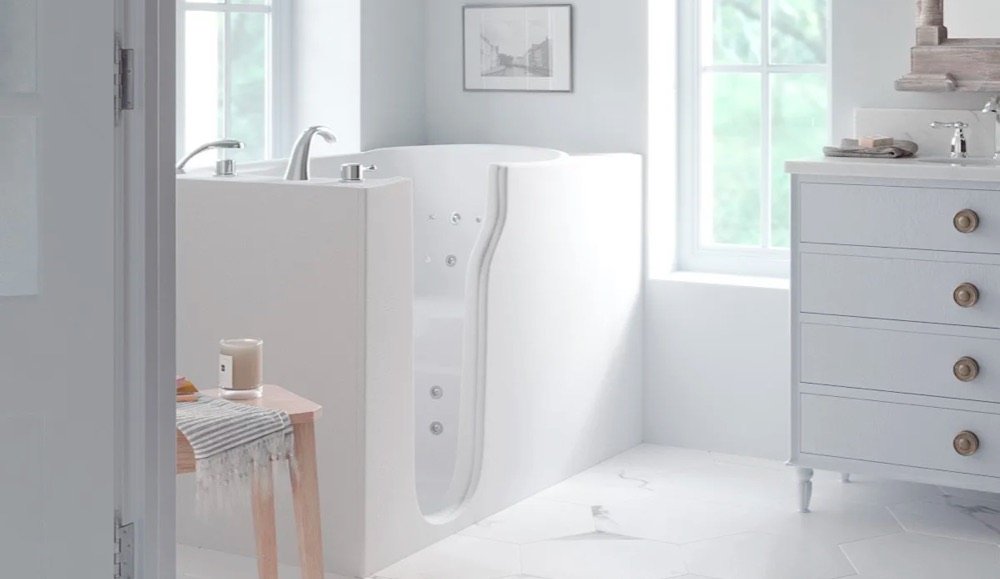
Storage Solutions for a Clutter-Free Shower
One of the most effective ways to make your walk-in shower feel larger is to keep it organized. Built-in niches are ideal for storing shampoo, soap, and other essentials. Place these at a comfortable height and ensure they are deep enough to hold your preferred products.
For additional storage, consider corner shelves, which utilize vertical space without intruding into the shower area. Overhead hooks or rails can hold loofahs, washcloths, or a squeegee for easy cleaning. Avoid bulky caddies that hang from the showerhead, as they can make the space feel cramped.
For those who use specialized equipment, such as foot massage jets, it’s important to keep cords and attachments neatly stowed when not in use. Learning about how to troubleshoot walk-in tub jet noise can also help you maintain a peaceful and organized environment.
Material and Color Choices That Open Up the Room
The materials and colors you choose have a significant impact on how spacious your shower feels. Light-colored tiles, especially in neutral tones like white, beige, or soft gray, reflect more light and create an airy atmosphere. Large-format tiles reduce grout lines, resulting in a cleaner, less cluttered appearance.
Glossy finishes on walls and floors can further enhance light reflection. Consider using the same tile on the shower floor and bathroom floor for a continuous look. This visual trick makes the entire room appear larger by eliminating abrupt transitions.
Mirrored surfaces or glass shelves can also contribute to the illusion of extra space. Just be sure to use non-slip materials on the floor for safety.

Lighting and Ventilation for a Roomier Shower
Proper lighting is essential for making any space feel larger. Install recessed LED lights in the ceiling or along the shower walls to brighten the area evenly. If possible, incorporate a window or skylight to bring in natural light, which enhances the sense of openness.
Good ventilation prevents moisture buildup and keeps the shower fresh. A high-quality exhaust fan or vented window will help maintain air quality and reduce the risk of mold, which can make the space feel less inviting over time.
Accessibility and Safety Without Sacrificing Space
Designing for accessibility doesn’t have to mean compromising on spaciousness. Features like low-profile thresholds, wide doorways, and strategically placed grab bars can make the shower safer and more comfortable for all users. For those interested in additional safety features, exploring walk-in tub suction safety features can provide peace of mind without adding bulk to your shower design.
Non-slip tiles and textured flooring are essential for preventing slips, especially in wet environments. Choose fixtures with easy-to-use controls and consider installing a handheld showerhead for added flexibility.
Expert Tips for Maximizing Every Inch
- Plan ahead: Sketch your desired layout and measure carefully before purchasing fixtures or materials.
- Think vertically: Use wall space for storage, hooks, and shelving to keep the floor clear.
- Keep it simple: Avoid overcrowding the shower with unnecessary accessories or bulky furniture.
- Choose multi-functional elements: Benches that double as storage, or grab bars that serve as towel racks, help reduce clutter.
- Maintain regularly: Clean surfaces and organize products to keep the area feeling open and fresh. For easy maintenance, consider the benefits of microfiber towels for walk-in showers.
Comparing Walk-In Showers and Walk-In Baths
If you’re deciding between a walk-in shower and a walk-in bathtub, it’s important to weigh the pros and cons of each. Showers typically require less space and are easier to access, while walk-in tubs offer therapeutic benefits and enhanced safety for those with mobility challenges. For a detailed comparison, see this guide on walk-in baths versus walk-in showers for aging in place.
Ultimately, the best choice depends on your specific needs, available space, and personal preferences. Whichever option you select, thoughtful design and smart storage will help you make the most of your bathroom.
Frequently Asked Questions
What are the best storage options for a small walk-in shower?
Built-in niches, corner shelves, and wall-mounted racks are excellent choices. These options keep products organized without taking up valuable floor space, helping your shower feel more open and accessible.
How can I make my walk-in shower look and feel bigger?
Use clear glass enclosures, light-colored tiles, and minimalistic fixtures. Incorporate plenty of lighting and maintain a clutter-free environment to enhance the sense of space.
Are there safety features that don’t take up much room?
Yes, low-profile grab bars, non-slip flooring, and fold-down seats provide safety without crowding the shower. Many modern designs integrate these features seamlessly for both style and function.