
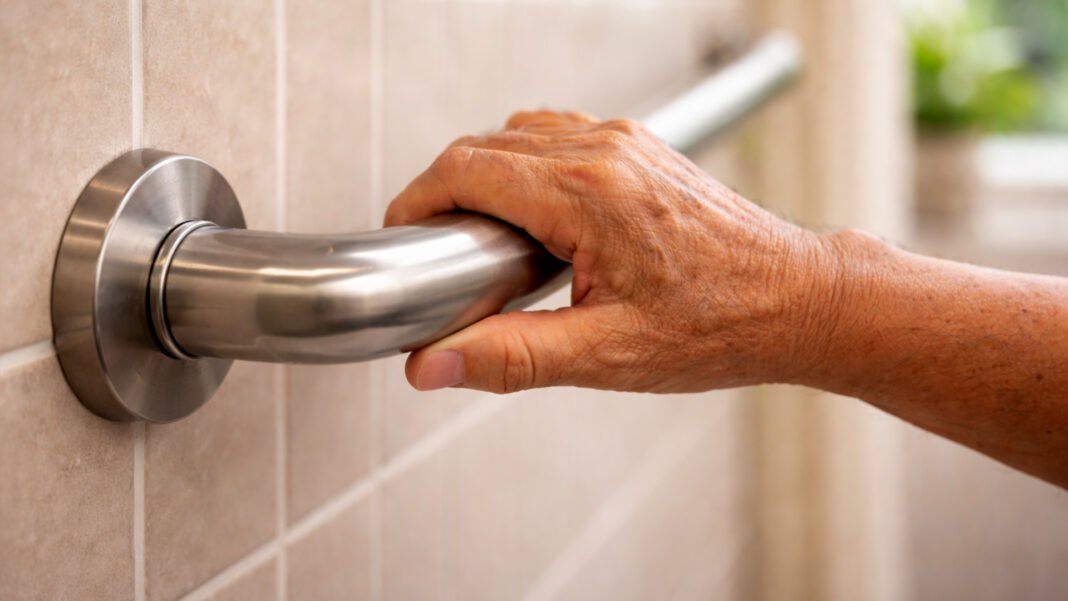
As people age, maintaining autonomy and comfort at home becomes a top priority. Making thoughtful changes to living spaces can significantly enhance safety, accessibility, and quality of life for older adults. Home modifications for elderly independence are not just about convenience—they are essential for reducing fall risks, supporting mobility, and allowing seniors to remain in familiar surroundings for as long as possible.
From simple adjustments like installing grab bars to more comprehensive renovations, a range of solutions can be tailored to individual needs. Whether you are planning for yourself or helping a loved one, understanding the most effective upgrades is key to creating a supportive environment. For those seeking a comprehensive approach, the aging in place home improvement checklist offers a structured guide to assess and prioritize changes throughout the house.
Why Home Adaptations Matter for Senior Living
Adapting a home for older adults is about more than just safety—it’s about preserving dignity and daily routines. As mobility, vision, and strength change with age, everyday tasks can become challenging or hazardous. Strategic home modifications for elderly independence help address these challenges by:
- Reducing the risk of falls and injuries, which are a leading cause of hospitalization among seniors.
- Enabling easier movement throughout the home, supporting the use of mobility aids like walkers or wheelchairs.
- Promoting confidence and self-reliance by allowing seniors to perform daily activities with minimal assistance.
- Supporting caregivers by making the environment safer and more manageable.
Many of these changes are straightforward and affordable, while others may require professional installation. The key is to assess each area of the home for potential hazards and opportunities for improvement.
Essential Modifications for Bathrooms and Toilets
Bathrooms are one of the most common locations for slips and falls. Enhancing safety in these spaces is a top priority when considering home modifications for elderly independence. Some of the most effective upgrades include:
- Grab Bars: Installing sturdy grab bars near toilets, showers, and bathtubs provides crucial support for balance and transfers. For more on their benefits, see this detailed explanation of how grab bars improve safety for seniors.
- Non-Slip Flooring: Replacing or treating floors with non-slip materials helps prevent dangerous falls, especially when surfaces are wet.
- Raised Toilet Seats and Safety Rails: These additions make it easier to sit down and stand up, reducing strain on joints and minimizing the risk of falls.
- Walk-In Showers or Tubs: Eliminating the need to step over high edges makes bathing safer and more accessible.
- Handheld Showerheads and Shower Chairs: These tools allow seniors to bathe while seated, reducing fatigue and risk.
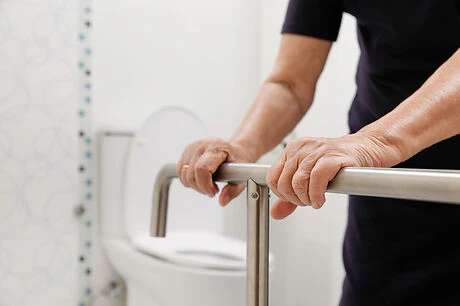
For more inspiration on creating a safe and accessible bathroom, check out these bathroom safety solutions for multigenerational homes and ideas for building a safer bathroom for aging adults.
Improving Accessibility Throughout the Home
While bathrooms are a focus, the rest of the house also benefits from thoughtful upgrades. Here are some practical ways to enhance accessibility and comfort in living rooms, bedrooms, and hallways:
- Widening Doorways: Expanding doorways to at least 32 inches accommodates wheelchairs and walkers, making movement between rooms easier.
- Lever-Style Door Handles: Replacing round knobs with lever handles allows those with arthritis or limited grip strength to open doors more easily.
- Improved Lighting: Adding brighter, glare-free lighting in hallways, staircases, and entryways helps compensate for vision changes and reduces tripping hazards.
- Removing Tripping Hazards: Securing rugs, clearing clutter, and ensuring electrical cords are out of pathways can prevent falls.
- Stair Lifts or Ramps: For multi-level homes, installing stair lifts or ramps provides safe access to all areas.
For a quick overview of simple upgrades, the easy home modifications for elderly safety guide offers practical tips that can be implemented with minimal effort.
Smart Technology and Home Automation for Seniors
Modern technology offers additional ways to support older adults at home. Integrating smart home features can further promote independent living for seniors by simplifying daily routines and enhancing safety. Examples include:
- Voice-Activated Assistants: Devices like smart speakers allow seniors to control lights, thermostats, and appliances without getting up.
- Automated Lighting: Motion-sensor lights in hallways and bathrooms reduce the risk of nighttime falls.
- Video Doorbells and Security Systems: These tools provide peace of mind and allow seniors to see who is at the door without moving quickly.
- Medication Reminders: Smart pill dispensers and reminders help ensure medications are taken on time.
To explore more about how technology can make a difference, see the article on smart home features that support senior mobility.
Planning and Funding Home Upgrades
Before starting any renovation, it’s important to assess the specific needs of the individual and the home. Consider consulting with occupational therapists or aging-in-place specialists who can recommend the most impactful changes. Many communities offer grants, low-interest loans, or nonprofit assistance for accessibility improvements, making it easier to finance necessary upgrades.
When planning, prioritize modifications that address immediate safety concerns, such as bathroom upgrades and fall prevention. Over time, additional enhancements can be added to further improve comfort and accessibility.
Frequently Asked Questions
What are the most important home modifications for elderly safety?
The most critical changes include installing grab bars in bathrooms, adding non-slip flooring, improving lighting, removing tripping hazards, and making entrances accessible with ramps or stair lifts. These upgrades address the most common risks and support daily activities.
How can I make a bathroom safer for an older adult?
Focus on adding grab bars near the toilet and shower, using non-slip mats, raising the toilet seat, and providing a shower chair. Walk-in showers or tubs and handheld showerheads also make bathing safer and more comfortable for seniors.
Are there affordable options for home modifications?
Yes, many effective upgrades are budget-friendly, such as installing grab bars, using non-slip mats, and improving lighting. For larger projects, look into local government programs, nonprofit organizations, or insurance benefits that may help cover costs.
Can smart home devices really help seniors live independently?
Absolutely. Smart devices like voice assistants, automated lighting, and medication reminders can simplify daily routines, enhance safety, and provide reassurance for both seniors and their families.
Making the right home modifications for elderly independence can transform a living space into a safe, comfortable, and empowering environment. By taking a proactive approach and leveraging available resources, seniors and their families can enjoy greater peace of mind and quality of life at home.