
Maintaining independence at home is a top priority for many older adults and their families. As we age, our needs change, and so do the risks present in our living environments. Understanding senior home safety essentials is crucial for creating a secure, comfortable space that supports autonomy and peace of mind. This guide covers practical steps, proven products, and expert recommendations to help seniors live confidently and safely in their own homes.
From preventing falls to improving accessibility, the right modifications can make a significant difference. If you’re interested in optimizing your bathroom for safety, you might also find value in learning how to maximize space in a walk-in shower for added comfort and maneuverability.
Why Home Safety Matters for Seniors
For older adults, the home should be a place of comfort—not a source of hazards. Unfortunately, falls and accidents are a leading cause of injury among seniors. According to the CDC, one out of four Americans aged 65+ falls each year, and many of these incidents happen at home. By addressing key home safety essentials for seniors, families can reduce risks and support independent living for longer.
Common challenges include reduced mobility, vision changes, and slower reaction times. These factors make it especially important to identify and address potential dangers before they become emergencies.
Key Areas to Address for a Safer Home
Effective home safety planning starts with a thorough assessment. Focus on the following areas to ensure a secure environment:
- Entrances and Exits: Ensure steps are sturdy, well-lit, and equipped with handrails. Consider ramps for wheelchair or walker access.
- Hallways and Living Spaces: Remove clutter, secure rugs, and keep pathways clear. Install nightlights to improve visibility.
- Bathrooms: High-risk for slips and falls. Add grab bars, non-slip mats, and accessible fixtures.
- Kitchens: Store frequently used items within easy reach. Use appliances with automatic shut-off features.
- Bedrooms: Place beds at an appropriate height and ensure easy access to lighting and phones.
Essential Products for Senior Home Safety
Investing in the right products can dramatically improve safety and confidence for older adults. Here are some of the most effective solutions:

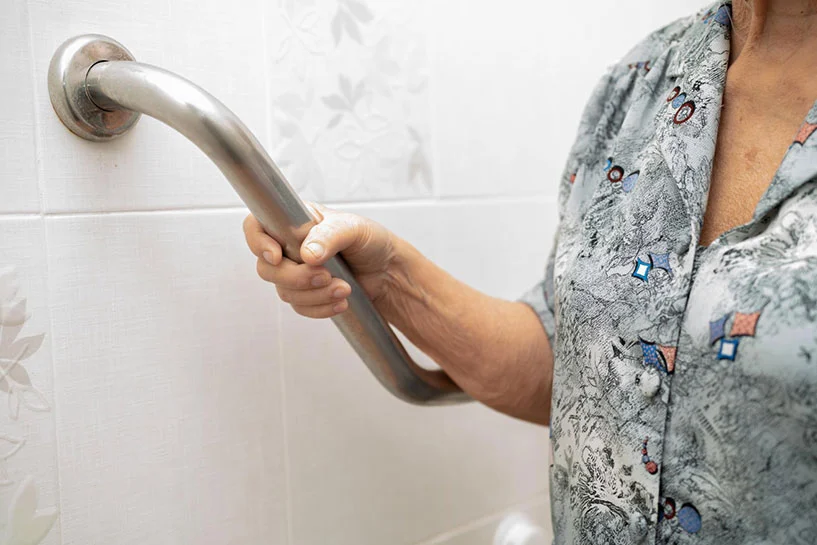
- Grab Bars: Installing sturdy grab bars in bathrooms and near stairs provides support and stability. For more details on their benefits, see how grab bars improve safety for seniors.
- Non-Slip Surfaces: Use mats and adhesive strips in showers, tubs, and entryways to reduce the risk of slipping.
- Toilet Safety Rails: These rails make it easier and safer to sit and stand, minimizing fall risk in the bathroom.
- Shower Chairs and Benches: Provide a stable seat for bathing, reducing fatigue and the likelihood of falls.
- Raised Toilet Seats: Make transfers easier for those with limited mobility.
- Motion-Activated Lighting: Ensures pathways are always illuminated, even at night.
- Medical Alert Systems: Wearable devices can summon help quickly in case of an emergency.
Bathroom Modifications for Independent Living
The bathroom is one of the most hazardous rooms for seniors. Making targeted upgrades can significantly reduce risks. Consider these senior home safety essentials for bathroom safety:
- Install grab bars near the toilet and in the shower or tub area.
- Use a walk-in shower or tub for easy access. For more on this, explore how to troubleshoot walk-in tub jet noise and walk-in tub foot massage jet benefits.
- Add non-slip mats both inside and outside the bathing area.
- Ensure the bathroom is well-lit, especially for those with low vision. Learn more about walk-in shower lighting for low vision users.
- Consider lever-style faucets and easy-to-use controls.
Simple Daily Habits for a Safer Home
Beyond physical modifications, developing safe routines is a key part of independent living. Encourage these habits for ongoing safety:
- Keep floors clear of clutter and cords.
- Wear non-slip footwear indoors.
- Check smoke and carbon monoxide detectors regularly.
- Review medications with a healthcare provider to minimize side effects like dizziness.
- Arrange for regular home safety assessments, especially after health changes.
When to Seek Professional Help
Some safety upgrades, such as grab bar installation or electrical modifications, are best handled by professionals. Occupational therapists and aging-in-place specialists can provide personalized recommendations based on individual needs. If you’re considering more advanced upgrades, such as comparing walk-in tub door gaskets for durability, see this resource on comparing walk-in tub door gaskets for expert insights.
Frequently Asked Questions
What are the most important home safety features for seniors living alone?
The most critical features include grab bars in bathrooms, non-slip flooring, adequate lighting, accessible entryways, and emergency alert systems. These essentials address the most common risks, such as falls and delayed emergency response.
How often should a home safety assessment be done?
It’s recommended to review home safety at least once a year, or whenever there are changes in health or mobility. Regular assessments help catch new hazards and ensure that safety measures remain effective.
Are grab bars difficult to install?
Grab bars can be installed by a handy homeowner, but professional installation is often best to ensure they are securely anchored. Proper placement and secure mounting are essential for maximum safety and reliability.
Conclusion
Empowering seniors to live independently starts with a safe, accessible home. By focusing on senior home safety essentials—from grab bars and non-slip mats to smart lighting and routine assessments—families can help older adults maintain their freedom and confidence. Small changes today can prevent accidents and support a higher quality of life for years to come.