
Modern homes are evolving to meet the needs of people of all ages and abilities. Nowhere is this more important than in the bathroom, where safety, comfort, and independence can be significantly improved through thoughtful design and technology. Bathroom accessibility innovations are transforming the way we approach daily routines, making spaces safer and more user-friendly for seniors, people with disabilities, and families living in multigenerational homes.
Whether you’re planning a renovation or simply looking for practical upgrades, understanding the latest advances in accessible bathroom design can help you create a space that is both functional and welcoming. From grab bars and walk-in tubs to smart fixtures and adaptive hardware, these solutions are reshaping what it means to have a truly inclusive home.

For those seeking a comprehensive approach to home updates, the aging in place home improvement checklist offers valuable guidance on making living spaces safer and more accessible for everyone.
Why Accessible Bathroom Design Matters
The bathroom is one of the most common places for slips and falls, especially among older adults and individuals with mobility challenges. Adopting innovative accessibility solutions not only reduces the risk of injury but also supports independence and dignity. By integrating the latest products and design strategies, homeowners can ensure that everyone in the household can use the bathroom safely and comfortably.
Accessible design isn’t just about compliance with regulations—it’s about creating environments that adapt to changing needs. As more families choose to age in place or accommodate relatives with varying abilities, the demand for user-friendly bathroom features continues to grow.
Key Features of Modern Accessible Bathrooms
Today’s bathroom accessibility innovations go far beyond basic grab bars. Here are some of the most impactful upgrades available:
- Walk-In Showers and Tubs: Low-threshold or barrier-free showers allow easy entry and exit, reducing tripping hazards. Walk-in tubs with watertight doors and built-in seating offer a safe bathing experience.
- Grab Bars and Support Rails: Strategically placed grab bars provide stability near toilets, showers, and bathtubs. Modern designs blend seamlessly with contemporary décor and can be installed vertically, horizontally, or at an angle for optimal support.
- Non-Slip Flooring: Textured tiles and slip-resistant mats help prevent falls, especially in wet areas.
- Adjustable Showerheads and Handheld Sprayers: Flexible fixtures make it easier for users to bathe while seated or standing, accommodating a range of mobility levels.
- Comfort-Height Toilets: Raised toilet seats and comfort-height models reduce the effort required to sit and stand.
- Smart Technology: Voice-activated lighting, touchless faucets, and automatic temperature controls enhance convenience and safety for everyone.
For families with multiple generations under one roof, bathroom safety solutions for multigenerational homes can help you choose the right combination of features for your unique needs.
Grab Bars: The Foundation of Accessible Bathrooms
One of the simplest yet most effective bathroom accessibility innovations is the installation of grab bars. These sturdy supports are essential for anyone with limited balance or strength. Modern grab bars are available in a variety of finishes and styles, making it easy to match them to your bathroom’s aesthetic.
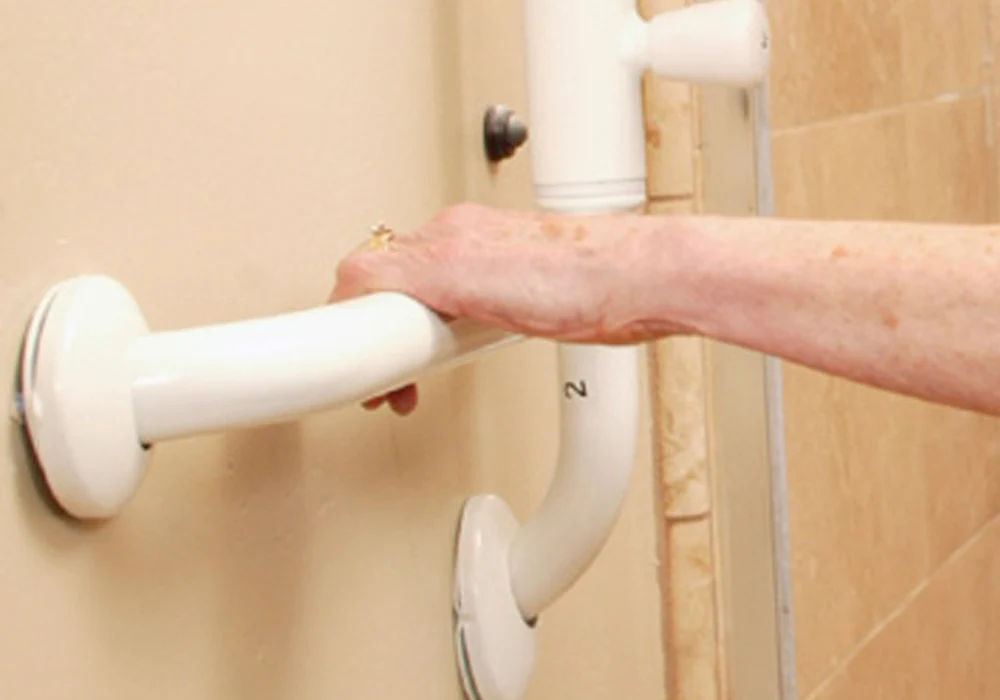
Proper installation is crucial for safety and reliability. If you’re considering adding grab bars to your bathroom, consult a comprehensive grab bar installation guide to ensure they are securely mounted and positioned for maximum support.
Grab bars are not just for seniors—they are beneficial for anyone recovering from surgery, living with a chronic condition, or simply wanting extra peace of mind in slippery environments.
Toilet Safety Rails and Adaptive Hardware
Another essential component of accessible bathrooms is the use of toilet safety rails and adaptive hardware. These devices provide additional support for sitting and standing, making the bathroom safer for individuals with limited mobility. Many models are adjustable or foldable, allowing for customization based on user needs and bathroom layout.
When selecting toilet safety rails, look for features such as non-slip grips, easy installation, and compatibility with your existing toilet. Some products can be removed or repositioned as needed, offering flexibility for shared spaces.
Integrating these supports with other bathroom accessibility innovations ensures a cohesive approach to safety and comfort. For more ideas on simple changes that can make a big difference, see our guide on easy home modifications for elderly safety.
Smart Home Technology for Accessible Bathrooms
Technology is playing an increasingly important role in accessible home design. Smart home features such as motion-activated lighting, voice-controlled fixtures, and automated temperature controls can significantly enhance safety and convenience in the bathroom. These innovations are especially helpful for individuals with limited dexterity or vision.
For example, touchless faucets reduce the spread of germs and make it easier for users with arthritis or weakness to wash their hands. Smart mirrors with integrated lighting and anti-fog features improve visibility, while digital shower controls allow users to set water temperature and flow with precision.
To explore more ways technology can support mobility and independence, check out our article on smart home features that support senior mobility.
Design Tips for a Safer, More Inclusive Bathroom
Creating a truly accessible bathroom involves more than just adding a few products. Here are some practical tips for designing a space that works for everyone:
- Widen Doorways: Ensure doorways are at least 32 inches wide to accommodate wheelchairs and walkers.
- Install Lever Handles: Replace traditional knobs with lever-style handles for easier operation.
- Lower Vanity Heights: Adjust sink and countertop heights to allow wheelchair access and seated use.
- Provide Clear Floor Space: Keep pathways free of obstacles and ensure there is enough room to maneuver safely.
- Use Contrasting Colors: High-contrast colors between floors, walls, and fixtures improve visibility for those with low vision.
For a deeper dive into designing for safety and accessibility, see our resource on building a safer bathroom for aging adults.

Frequently Asked Questions
What are the most important features for an accessible bathroom?
The most critical features include grab bars, non-slip flooring, walk-in showers or tubs, comfort-height toilets, and adjustable fixtures. These elements work together to reduce fall risks and promote independence for users of all abilities.
How can I make my bathroom safer for seniors?
Start by installing sturdy grab bars near the toilet and shower, using non-slip mats or flooring, and ensuring adequate lighting. Consider adding toilet safety rails and replacing knobs with lever handles for easier use. For more tips, refer to our aging in place home improvement checklist.
Are there affordable ways to improve bathroom accessibility?
Yes, many upgrades are budget-friendly. Adding grab bars, non-slip mats, and raised toilet seats are cost-effective changes that can make a significant difference. For more ideas, see our guide on easy home modifications for elderly safety.
Conclusion
Advancements in bathroom accessibility innovations are making it easier than ever to create safe, comfortable, and stylish spaces for everyone. By combining thoughtful design with the latest products and technology, you can ensure your bathroom meets the needs of all users—today and in the future. Whether you’re planning a major remodel or seeking simple upgrades, these solutions offer practical ways to support independence and peace of mind at home.