
Maintaining independence and safety in the bathroom is a top priority for many older adults and their families. As we age, our risk of slips and falls increases, especially in wet or cluttered spaces. Adopting safe bathroom habits for aging adults can make a significant difference in preventing accidents and supporting confidence at home.
Simple changes in daily routines, combined with practical safety upgrades, can help reduce hazards. For those looking to make their homes safer, resources like the aging in place home improvement checklist offer valuable guidance on where to start.
Why Bathroom Safety Matters for Older Adults
The bathroom is one of the most common places for falls among seniors. Wet floors, slippery surfaces, and limited mobility can all contribute to accidents. According to the CDC, falls are the leading cause of injury among older adults, and many of these incidents happen during daily routines like bathing or using the toilet.
By focusing on bathroom safety habits for seniors, families can help loved ones stay independent and reduce the risk of injuries that could lead to hospitalization or loss of mobility.
Daily Habits That Support Bathroom Safety
Developing consistent, mindful routines is key to preventing slips and falls. Here are several practical habits that aging adults and caregivers can adopt:
- Keep floors dry: Always wipe up water spills immediately after bathing or washing hands.
- Use non-slip mats: Place sturdy, rubber-backed mats inside and outside the tub or shower.
- Wear supportive footwear: Choose shoes or slippers with non-skid soles rather than walking barefoot or in socks.
- Take your time: Move slowly when entering or exiting the tub, shower, or toilet area. Rushing increases the risk of losing balance.
- Keep essentials within reach: Store toiletries, towels, and medications at a convenient height to avoid unnecessary bending or stretching.
These simple steps, when practiced daily, can significantly lower the risk of slips and falls in the bathroom.
Essential Bathroom Modifications for Senior Safety
Beyond daily habits, making a few targeted upgrades can further enhance safety. Consider these proven solutions:
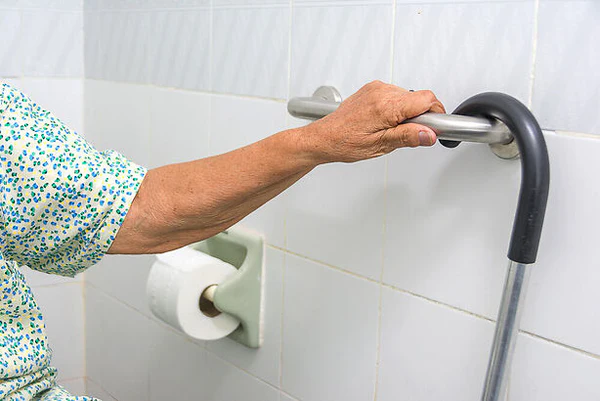
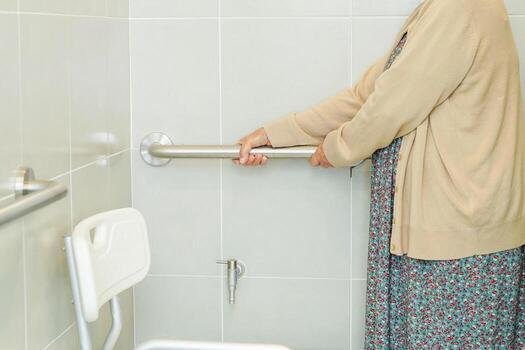
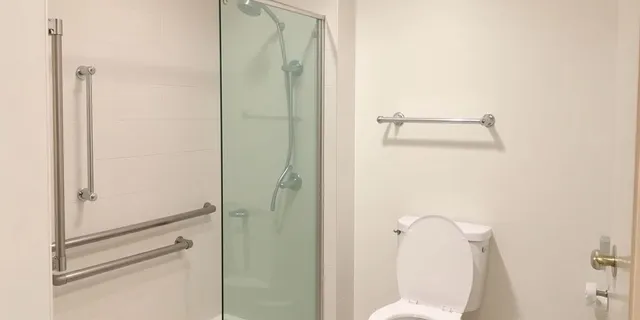
- Install grab bars: Securely mounted bars near the toilet and inside the shower or tub provide steady support. For more information on their benefits, see this overview of how bathroom grab bars enhance senior safety and mobility.
- Add toilet safety rails: Rails make it easier to sit and stand, reducing strain on joints and minimizing the chance of falls.
- Use a shower chair or bench: Sitting while bathing offers stability and comfort for those with limited balance or endurance.
- Adjust lighting: Bright, glare-free lighting helps seniors see hazards and navigate safely, especially at night.
- Remove clutter: Keep the bathroom floor clear of loose rugs, laundry, or unnecessary items that could cause trips.
How to Encourage Safe Bathroom Habits for Aging Adults
Supporting older adults in adopting new routines can sometimes be challenging. Here are a few strategies to encourage positive changes:
- Involve them in decisions: Let seniors participate in choosing safety equipment and arranging the bathroom layout.
- Offer gentle reminders: Place notes or visual cues near key areas, like the shower or toilet, to reinforce safe practices.
- Demonstrate new tools: Show how to use grab bars, shower chairs, or non-slip mats so they feel comfortable and confident.
- Check in regularly: Ask about any difficulties or concerns, and adjust routines or equipment as needed.
Family members and caregivers play a crucial role in creating a supportive environment. Open communication and patience can help make safety a shared priority.
Choosing and Installing Safety Equipment
When selecting products like grab bars or toilet safety rails, look for items that are specifically designed for senior use and meet recognized safety standards. Installation should be secure and follow manufacturer guidelines to ensure reliability. If unsure, consider hiring a professional to install equipment properly.
For more ideas on creating a safer space, explore resources such as bathroom safety solutions for multigenerational homes and building a safer bathroom for aging adults.
Additional Tips for Reducing Bathroom Hazards
Beyond the basics, there are more ways to make the bathroom a safer place for seniors:
- Consider lever-style faucets: These are easier to operate for those with arthritis or limited hand strength.
- Install handheld showerheads: Adjustable showerheads allow for seated bathing and better control of water flow.
- Set water heater temperature: Lower the maximum temperature to prevent accidental burns.
- Upgrade to raised toilet seats: Higher seats reduce the effort needed to sit and stand.
- Schedule regular safety checks: Inspect grab bars, mats, and lighting to ensure everything remains in good condition.
For a broader look at home safety, the easy home modifications for elderly safety guide provides practical suggestions that go beyond the bathroom.
FAQ: Common Questions About Bathroom Safety for Seniors
What are the most important bathroom safety products for older adults?
Key products include grab bars, non-slip mats, toilet safety rails, shower chairs, and bright lighting. Each of these items addresses specific risks and can be tailored to individual needs.
How often should bathroom safety equipment be checked or replaced?
It’s best to inspect safety equipment every few months. Look for loose fittings, worn-out mats, or rust on metal parts. Replace or repair items immediately if any issues are found.
Can bathroom modifications be done on a budget?
Yes, many effective safety upgrades are affordable, such as installing non-slip mats or adding a handheld showerhead. Prioritize changes that address the biggest risks first, and consider gradually adding more features as needed.
Where can I find more information about making a home safer for seniors?
Explore resources like the smart home features that support senior mobility article for additional ideas on supporting independence and safety.
Conclusion
Preventing slips and falls in the bathroom is possible with a combination of daily routines, practical safety upgrades, and ongoing attention to potential hazards. By adopting safe bathroom habits for aging adults and making thoughtful modifications, seniors can enjoy greater confidence and independence in their homes. Families and caregivers can support these efforts by staying informed and proactive, ensuring that the bathroom remains a safe and comfortable space for everyone.