
Creating a secure and comfortable living environment is essential for older adults who wish to maintain their independence and quality of life. As the needs of residents evolve, making thoughtful retirement home safety modifications can significantly reduce the risk of accidents and support daily living. This guide explores practical updates to prioritize this year, from bathroom upgrades to improved lighting, and offers actionable advice for families, caregivers, and facility managers.
For those seeking a comprehensive approach to senior safety, it’s also helpful to review resources like senior home safety essentials, which cover a broad range of protective measures for independent living. By combining these strategies with targeted updates, you can create a safer, more accessible home environment for yourself or your loved ones.

Why Prioritize Home Safety Updates?
Falls and preventable injuries are leading causes of hospitalization among older adults. Many of these incidents occur at home and can be reduced or avoided with the right modifications. Proactive changes not only protect residents but also provide peace of mind for families and caregivers. By investing in retirement home safety modifications, you help ensure that living spaces remain accessible, comfortable, and supportive of changing mobility or health needs.
Essential Bathroom Upgrades for Senior Safety
The bathroom is often considered the most hazardous room for seniors due to slippery surfaces and limited support. Upgrading this space with the right equipment can dramatically reduce the risk of falls and injuries.
Install Grab Bars and Support Rails
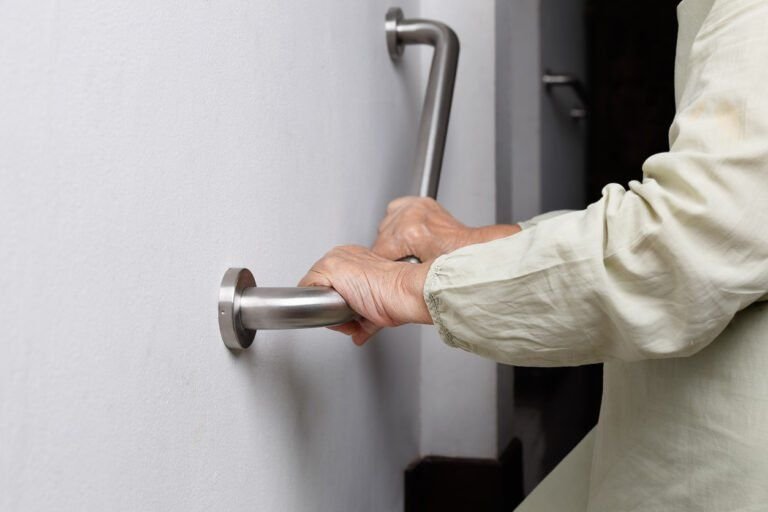
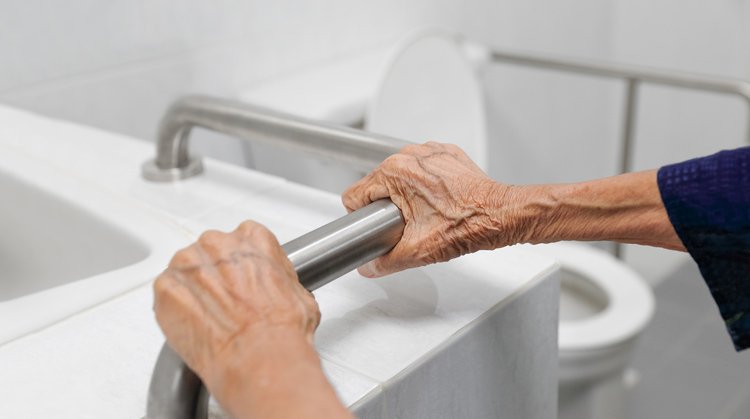
Adding grab bars near toilets, showers, and bathtubs provides essential support for standing and transferring. These devices are simple to install and offer stability in areas prone to slips. For a deeper understanding of how these aids compare to other mobility solutions, see support rails vs other mobility aids.
Grab bars should be securely anchored to wall studs and positioned at heights that suit the user’s needs. For more information about their importance and installation tips, read this comprehensive guide on bathroom grab bars for elderly safety.
Upgrade Toilet and Shower Accessibility
Raised toilet seats, toilet safety rails, and walk-in showers make personal care routines safer and more comfortable. These upgrades are especially important for individuals with limited mobility or balance issues. Consider non-slip mats, shower benches, and handheld showerheads for added convenience and safety.
For those with vision challenges, proper lighting is also crucial. Explore walk-in shower lighting for low vision users for practical lighting solutions that minimize hazards.
Preventing Falls Throughout the Home
While bathrooms are a primary focus, the rest of the home also benefits from targeted safety improvements. Addressing fall risks in hallways, living areas, and entryways ensures a safer environment throughout the entire residence.
Improve Flooring and Lighting
Loose rugs, uneven flooring, and cluttered pathways are common tripping hazards. Replace or secure rugs, repair uneven surfaces, and keep walkways clear. Bright, well-placed lighting is equally important, especially in stairways and entry points. Motion-activated nightlights can help prevent nighttime falls.
For bathrooms and wet areas, consider specialized wet floor safety solutions to further reduce slipping risks.
Enhance Entryways and Doorways
Threshold ramps, lever-style door handles, and widened doorways make it easier for those using walkers or wheelchairs to move freely. These updates support accessibility and independence, allowing residents to enter and exit rooms without unnecessary strain.
Additional Modifications for a Safer Living Space
Beyond the basics, there are several other upgrades that can make a significant difference in comfort and safety for seniors:
- Stair lifts or ramps for multi-level homes
- Automatic shut-off devices for stoves and appliances
- Accessible storage with pull-down shelves and easy-to-reach cabinets
- Smart home technology such as voice-activated lights and emergency alert systems
- Contrasting color strips on steps and edges for improved visibility
Each of these modifications can be tailored to the specific needs and preferences of the resident, ensuring both safety and comfort.
Planning and Implementing Safety Upgrades
Start by conducting a thorough assessment of the home. Walk through each room, noting potential hazards and areas where accessibility could be improved. Involve the resident in the process to ensure that changes align with their routines and preferences.
Prioritize modifications that address the most significant risks first, such as bathroom safety and fall prevention. Consult with occupational therapists or home safety experts for personalized recommendations. Many local agencies and nonprofits offer assessments and may assist with installation or funding for essential upgrades.
Maintaining and Reviewing Safety Features
Once modifications are in place, regular maintenance is key. Check grab bars, rails, and ramps for stability. Replace worn-out non-slip mats and ensure lighting remains functional. As needs change, revisit the home’s layout and update features as necessary.
For those looking to optimize space while maintaining accessibility, see tips on how to maximize space in a walk-in shower for smart design ideas.
Frequently Asked Questions
What are the most important safety modifications for seniors living at home?
The most impactful updates include installing grab bars in bathrooms, improving lighting throughout the home, securing or removing loose rugs, and adding ramps or stair lifts where needed. These changes address the primary causes of falls and injuries among older adults.
How can I make a bathroom safer for someone with limited mobility?
Focus on adding grab bars near the toilet and shower, using non-slip mats, installing a raised toilet seat, and providing a shower bench. Consider walk-in showers and handheld showerheads for easier access and comfort.
Are there affordable ways to improve home safety for seniors?
Yes, many effective modifications are budget-friendly. Simple changes like adding nightlights, securing rugs, and installing basic grab bars can greatly enhance safety. Some community organizations and insurance plans may also help cover the cost of essential upgrades.
By prioritizing retirement home safety modifications and regularly reviewing your living environment, you can create a safer, more comfortable space that supports independence and well-being for years to come.