
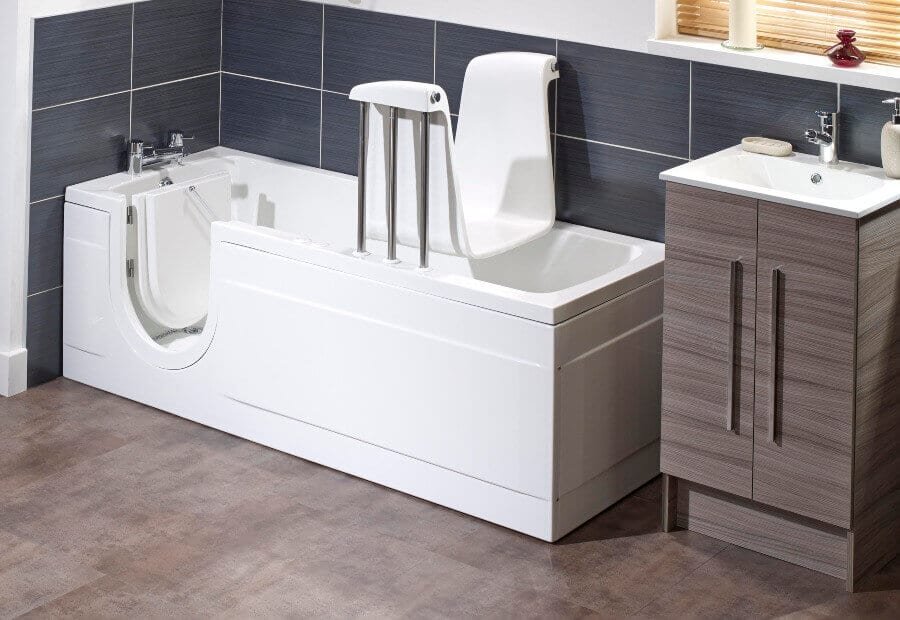
Proper lighting is a crucial factor in making bathrooms safer and more accessible, especially for individuals with low vision. Bathrooms are often the site of slips and falls, and inadequate visibility can increase these risks. By focusing on walk-in shower lighting for low vision users, homeowners and caregivers can significantly improve safety, comfort, and independence in daily routines.
This article explores practical lighting solutions, essential safety considerations, and actionable tips to create a secure bathing environment. Whether you’re planning a new installation or upgrading an existing space, understanding the unique needs of people with visual impairments is the first step toward a safer bathroom.
For those interested in other aspects of accessible bathing, you may also want to learn about walk-in tub suction safety features to further enhance bathroom safety.
Why Lighting Matters in Accessible Showers
Lighting plays a vital role in the usability and safety of any bathroom, but its importance is magnified for people with visual impairments. Shadows, glare, and uneven illumination can make it difficult to distinguish surfaces, identify hazards, or navigate the space confidently. In a walk-in shower, where water and smooth surfaces are common, these challenges can be even more pronounced.
- Reduced risk of falls: Bright, even lighting helps users spot obstacles and wet areas.
- Greater independence: Good visibility allows users to manage bathing routines with less assistance.
- Improved comfort: A well-lit shower feels more inviting and less intimidating for those with low vision.
Key Lighting Features for Low Vision Accessibility
When selecting walk-in shower lighting for low vision users, consider these essential features to maximize safety and usability:
- High-contrast illumination: Use lighting that enhances the contrast between walls, floors, and fixtures. This helps users distinguish boundaries and avoid tripping.
- Even light distribution: Avoid harsh shadows or overly bright spots. Install fixtures that spread light uniformly across the shower area.
- Glare reduction: Choose frosted or diffused covers for lights to minimize glare, which can be disorienting for those with sensitive eyes.
- Adjustable brightness: Dimmable lights or multiple lighting levels allow users to select the most comfortable setting for their needs.
- Color temperature: Opt for bulbs in the 3500K–5000K range (neutral to cool white) to improve visibility and color differentiation.
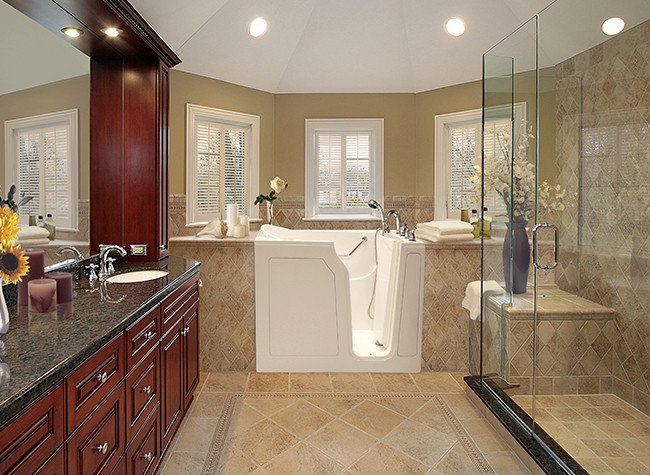
Types of Lighting Suitable for Walk-In Showers
There are several lighting options that can be tailored to the needs of low vision users. Each type has its own advantages and best-use scenarios:
- Recessed ceiling lights: These fixtures provide even, overhead illumination without taking up space or creating obstructions. Choose models rated for wet locations.
- Wall-mounted sconces: Placed at eye level, sconces can reduce shadows and enhance contrast on walls and fixtures.
- LED strip lighting: Flexible strips can be installed along shelves, grab bars, or shower thresholds to highlight edges and improve orientation.
- Motion-activated lights: For added convenience, motion sensors ensure the shower is always lit when in use, reducing the risk of entering a dark space.
Combining multiple lighting types often yields the best results, ensuring both general and task-specific illumination.
Installation Tips for Maximum Safety
Proper installation is as important as fixture selection. Here are some tips to ensure your lighting setup is both effective and safe:
- Use waterproof fixtures: Only install lighting rated for wet or damp locations inside showers to prevent electrical hazards.
- Position lights strategically: Place fixtures to minimize shadows and illuminate all corners of the shower area.
- Highlight hazards: Use accent lighting to draw attention to steps, thresholds, or changes in floor level.
- Consider professional installation: Electrical work in wet areas should be performed by a licensed electrician to meet code requirements and ensure safety.
For those interested in electrical safety, see our guide on how to check walk-in tub electrical grounding for additional peace of mind.
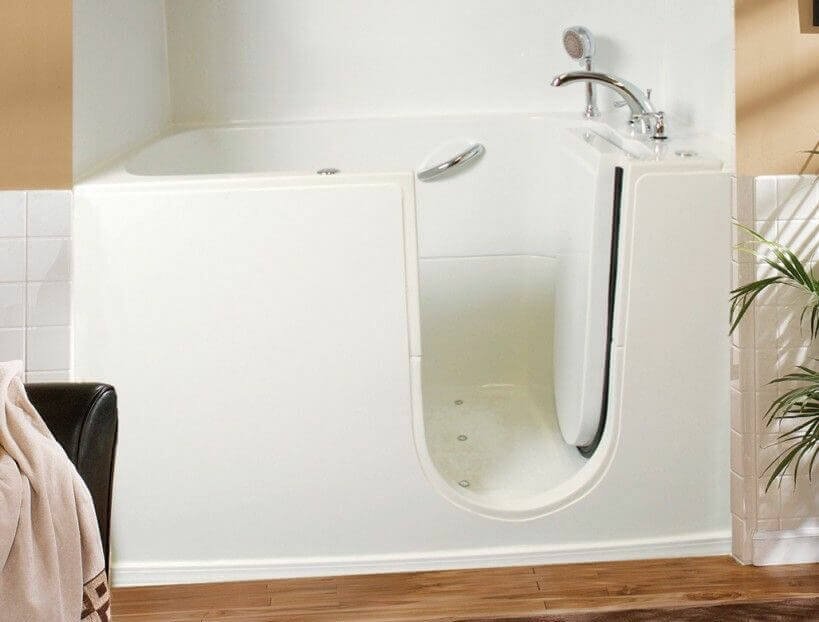
Additional Safety Enhancements for Low Vision Users
While lighting is a cornerstone of accessible shower design, other features can further reduce risks and improve comfort:
- Non-slip flooring: Textured tiles or mats help prevent slips, especially when paired with good lighting.
- Contrasting colors: Use contrasting hues for walls, floors, and fixtures to make edges and controls easier to see.
- Grab bars and seating: Securely installed grab bars and shower seats add stability and confidence.
- Accessible controls: Large, tactile, and clearly labeled controls are easier to locate and operate.
- Routine maintenance: Regularly check for burnt-out bulbs, water damage, or loose fixtures to maintain a safe environment.
For ongoing maintenance tips, discover the benefits of microfiber towels for walk-in showers to keep surfaces clean and safe.
Choosing the Right Products and Resources
When selecting products for accessible bathrooms, look for reputable brands and consult with specialists in accessible design. For a wide range of options, explore walk-in tubs designed for seniors and those with mobility challenges. These resources often provide guidance on compatible lighting and safety features.
It’s also helpful to read product reviews and seek recommendations from occupational therapists or accessibility consultants to ensure your choices meet the specific needs of the user.
Frequently Asked Questions
What type of light bulbs are best for walk-in showers used by people with low vision?
LED bulbs with a color temperature between 3500K and 5000K (neutral to cool white) are generally recommended. They offer bright, clear illumination and are energy efficient. Look for bulbs with high color rendering (CRI) to help users distinguish colors and surfaces more easily.
How can I reduce glare in my shower lighting setup?
To minimize glare, use frosted or diffused light covers and avoid placing fixtures directly in the line of sight. Wall sconces and recessed lights with diffusers are effective choices. Position lights to illuminate surfaces indirectly rather than shining directly into the user’s eyes.
Are motion-activated lights safe for wet environments?
Yes, as long as the fixtures are rated for wet or damp locations. Motion-activated lights can be very convenient for those with low vision, ensuring the shower is always illuminated when in use. Always check product specifications to confirm suitability for bathroom installation.
Conclusion
Enhancing walk-in shower lighting for low vision users is a practical and impactful way to promote safety, confidence, and independence in the bathroom. By choosing the right fixtures, ensuring even and glare-free illumination, and combining lighting with other accessible features, you can create a space that meets the needs of everyone in your household. For more information on related topics, explore our articles on walk-in tub foot massage jet benefits and how to troubleshoot walk-in tub jet noise to further enhance your bathing experience.