
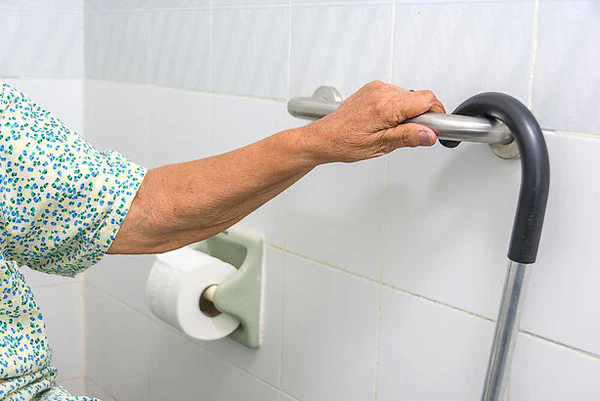
Falls in the bathroom are a major safety concern, especially for older adults and those with limited mobility. The combination of slippery surfaces, tight spaces, and frequent transitions between standing, sitting, and stepping in and out of tubs or showers makes bathrooms one of the most hazardous rooms in any home. Understanding the common causes of bathroom falls is essential for anyone looking to improve safety and prevent injuries.
According to safety experts, most bathroom accidents are preventable with the right awareness and modifications. Whether you are caring for a loved one, aging in place, or simply want to make your home safer, addressing these risks can make a significant difference. For a broader look at home safety upgrades, you might also find value in resources like home safety for elderly couples, which covers essential improvements for safer living environments.
Why Bathroom Falls Are So Common
Bathrooms present a unique set of hazards that increase the risk of slips, trips, and falls. The combination of water, hard surfaces, and limited space means that even a minor misstep can result in a serious injury. For older adults, factors like reduced balance, slower reflexes, and weaker muscles further increase vulnerability.
Many falls occur during routine activities such as getting in or out of the shower, using the toilet, or reaching for items on high shelves. Recognizing the main reasons behind bathroom accidents is the first step toward prevention.
Slippery Surfaces: The Leading Risk Factor
Wet floors are the most frequent contributor to bathroom falls. Water from showers, baths, or sinks can quickly make tile or vinyl floors dangerously slick. Even small amounts of moisture can reduce traction, especially for those wearing socks or smooth-soled slippers.
Some of the most common situations that lead to slippery surfaces include:
- Stepping out of the shower or tub onto a wet floor
- Water splashing from the sink or toilet
- Leaks from pipes or fixtures
- Condensation buildup in humid conditions
To address this risk, consider installing non-slip mats both inside and outside the tub or shower, and always wipe up spills immediately. For more ideas, check out wet floor safety solutions designed for modern bathrooms.
Unsafe Transfers and Lack of Support
Moving from standing to sitting, or stepping over the edge of a bathtub, can be challenging for many people. Without stable support, these transitions are a frequent source of falls. The absence of grab bars or sturdy handrails makes it much harder to maintain balance, especially when wet or fatigued.
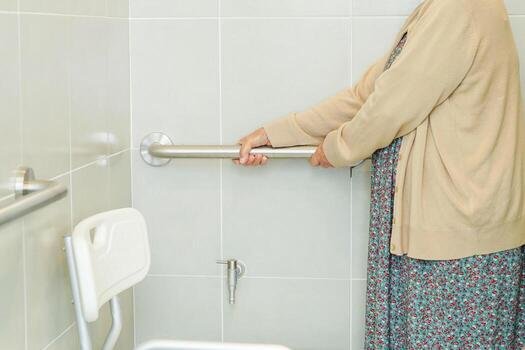
Adding grab bars and toilet safety rails can greatly reduce the risk of falls during transfers. These supports provide a secure handhold for sitting, standing, or moving between bathroom fixtures. For an in-depth look at their benefits, see this overview of how bathroom grab bars enhance senior safety and mobility.
Clutter and Poor Layout
A crowded bathroom with limited space to move increases the chance of tripping over objects or bumping into fixtures. Items like bath mats, laundry baskets, and cleaning supplies left on the floor can become unexpected obstacles. Inadequate lighting or awkward placement of shelves and towel racks can also make navigation more difficult.
To minimize hazards:
- Keep walkways clear of clutter
- Store toiletries and cleaning products in cabinets or on shelves
- Ensure adequate lighting, especially at night
- Arrange fixtures to allow for easy movement
A well-organized bathroom not only reduces fall risks but also makes daily routines more comfortable and efficient.
Medical Conditions and Medication Side Effects
Certain health issues can increase the likelihood of falls in the bathroom. Conditions such as arthritis, Parkinson’s disease, neuropathy, and vision impairment can all affect balance and coordination. Medications that cause dizziness, drowsiness, or low blood pressure may also contribute to instability.
If you or a loved one has a medical condition that affects mobility, it’s important to discuss bathroom safety with a healthcare provider. Occupational therapists can recommend adaptive equipment and strategies tailored to individual needs.
Preventive Measures for a Safer Bathroom
Reducing the risk of slips and falls in the bathroom involves a combination of environmental changes and personal habits. Here are some effective strategies:
- Install grab bars near the toilet, shower, and bathtub for extra support
- Use non-slip mats and adhesive strips in the tub and on the floor
- Keep the bathroom well-lit, especially at night
- Remove unnecessary rugs or items that could cause tripping
- Consider a shower chair or transfer bench for added stability
- Adjust water heater temperature to prevent burns and sudden movements
For those interested in comparing different types of mobility aids, the article on support rails vs other mobility aids offers helpful insights.
Long-Term Solutions for Reducing Bathroom Accidents
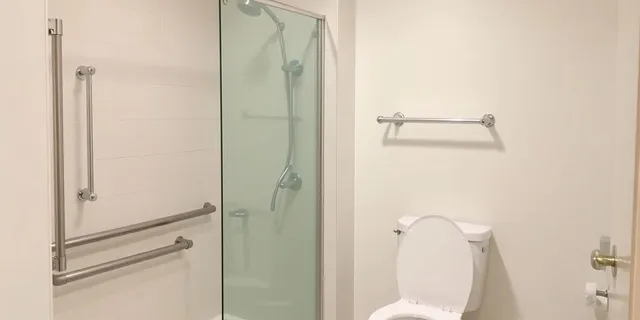
While simple changes can have an immediate impact, some situations call for more significant upgrades. Remodeling the bathroom to include a walk-in tub, curbless shower, or raised toilet can dramatically improve safety and accessibility. These modifications are especially valuable for those with chronic mobility challenges or who wish to age in place.
Other long-term solutions include:
- Widening doorways for wheelchair access
- Installing lever-style faucets for easier operation
- Using contrasting colors to highlight edges and reduce visual confusion
- Adding emergency alert systems or call buttons
For a comprehensive checklist of practical upgrades, see senior home safety essentials for independent living.
Frequently Asked Questions
What are the most common causes of falls in the bathroom?
The most frequent contributors include slippery floors, lack of grab bars or support rails, cluttered spaces, poor lighting, and medical conditions that affect balance. Wet surfaces and unsafe transfers are especially risky for older adults.
How can I make my bathroom safer for seniors?
Start by installing grab bars near the toilet and shower, using non-slip mats, improving lighting, and keeping walkways clear. Consider adaptive equipment like shower chairs or raised toilet seats for added stability. For more ideas, explore wet floor safety solutions tailored for modern bathrooms.
Are grab bars really effective in preventing bathroom falls?
Yes, grab bars provide critical support during transfers and can help prevent slips and loss of balance. They are especially effective when installed at key locations such as beside the toilet and inside the shower or tub. For more information, see this detailed guide on grab bars and senior safety.
Should I consider a walk-in tub or curbless shower?
If mobility is a significant concern, walk-in tubs and curbless showers can greatly reduce tripping hazards and make bathing safer. These upgrades are especially helpful for those with limited strength or balance. For additional benefits, learn about walk-in tub foot massage jet benefits for circulation and comfort.
By understanding the common causes of bathroom falls and taking proactive steps to address them, you can create a safer, more accessible space for everyone in your household. Simple changes, thoughtful upgrades, and ongoing awareness are the keys to preventing injuries and promoting independence.