
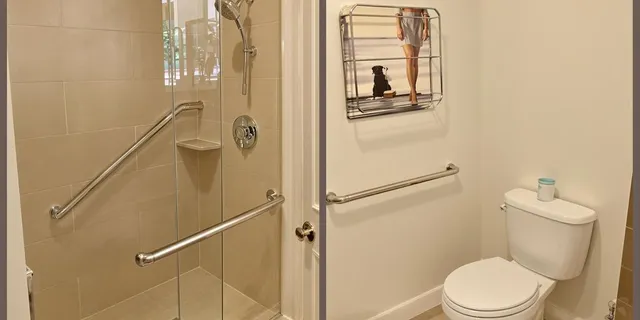
Maintaining mobility and independence at home is a top priority for many older adults and their families. As we age, our homes should adapt to meet changing needs, ensuring safety, comfort, and confidence in daily routines. Small adjustments and thoughtful upgrades can make a significant difference, helping seniors stay active and self-reliant in familiar surroundings.
This guide explores practical strategies and proven solutions to support aging adults in their own homes. From simple home modifications to smart product choices, these recommendations are designed to reduce fall risks, improve accessibility, and foster a sense of autonomy. For a comprehensive look at preparing your living space, the aging in place home improvement checklist offers additional insights into creating a safer, more supportive environment.
Why Home Modifications Matter for Senior Independence
Adapting the home environment is one of the most effective ways to support older adults’ ability to live independently. Common household hazards, such as slippery floors, poor lighting, and hard-to-reach storage, can increase the risk of falls and injuries. By addressing these issues, families can help loved ones maintain their routines and reduce reliance on outside assistance.
Many of these changes are straightforward and cost-effective. Installing grab bars, improving lighting, and rearranging furniture can all contribute to a safer, more accessible living space. For those interested in more extensive upgrades, resources like bathroom accessibility upgrades that make a difference provide detailed guidance.
Essential Senior Mobility and Independence Tips for Every Room
Each area of the home presents unique challenges and opportunities for improvement. Here are some targeted suggestions to enhance safety and mobility throughout the house:
Entryways and Hallways: Clear Paths and Secure Surfaces
- Remove clutter, loose rugs, and obstacles from walkways to prevent tripping.
- Install sturdy handrails on both sides of stairs and ramps where needed.
- Ensure flooring is non-slip and transitions between rooms are smooth.
- Use bright, glare-free lighting to illuminate entrances and corridors.
Living Areas: Accessible Furniture and Lighting
- Arrange furniture to allow easy movement with walkers or canes.
- Choose chairs and sofas with firm cushions and armrests for easier standing.
- Place frequently used items within easy reach to avoid unnecessary bending or stretching.
- Use remote-controlled or touch-activated lamps for convenience.
Kitchen: Safe Cooking and Storage Solutions
- Store pots, pans, and utensils at waist height to minimize reaching.
- Install pull-out shelves and lazy Susans in cabinets for better access.
- Consider anti-scald devices on faucets and stove knob covers for added safety.
- Keep a sturdy step stool with a handle for occasional use, but avoid frequent climbing.
Bathroom Safety: Reducing Fall Risks and Increasing Confidence
The bathroom is a common site for slips and falls, making it a priority for home safety improvements. Simple modifications can greatly reduce hazards and support independent living.
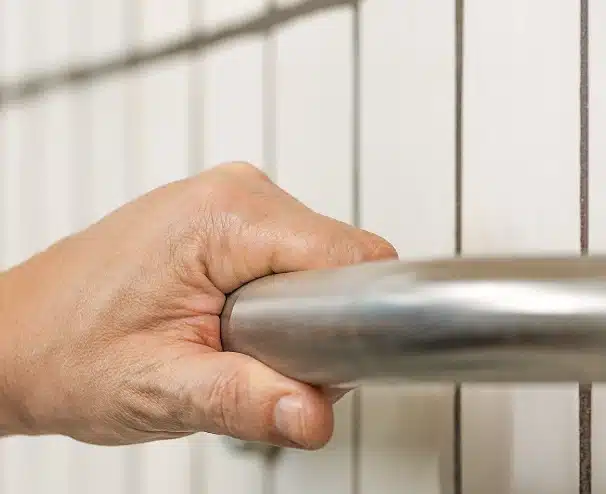
Key recommendations for bathroom safety include:
- Install grab bars near the toilet, shower, and bathtub. For placement advice, see these useful tips on where to install grab bars.
- Use non-slip mats inside and outside the tub or shower.
- Consider a raised toilet seat or toilet safety rails for easier transfers.
- Ensure good lighting and keep toiletries within easy reach.
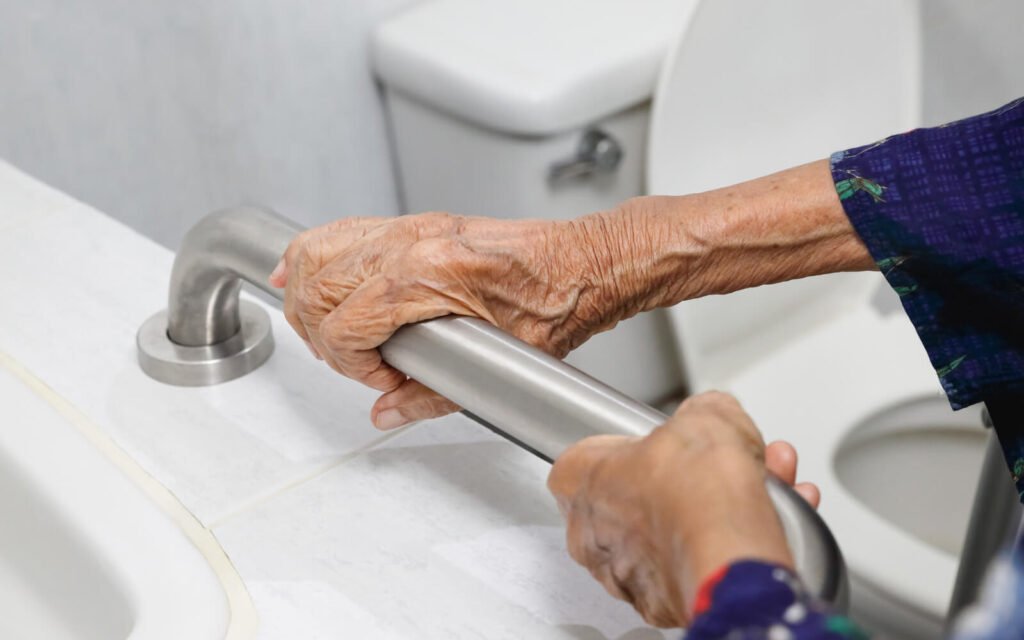
For more detailed suggestions, the article on bathroom accessibility upgrades that make a difference covers a range of solutions tailored to older adults’ needs.
Bedroom Adjustments for Safe and Comfortable Rest
Bedrooms should be arranged to minimize nighttime hazards and support restful sleep. Consider these tips:
- Keep a clear path from the bed to the bathroom, with nightlights along the way.
- Use a bed rail or sturdy nightstand for support when getting in and out of bed.
- Store essential items, such as glasses, medications, and water, within arm’s reach.
- Choose a mattress height that allows feet to rest flat on the floor when sitting on the edge.
Assistive Devices and Technology for Greater Independence
Modern technology and assistive products can further enhance safety and confidence for seniors at home. Some useful options include:
- Medical alert systems for immediate help in case of emergency.
- Voice-activated assistants to control lights, thermostats, and reminders.
- Reachers and grabbers for picking up items without bending.
- Mobility aids such as canes, walkers, or rollators suited to individual needs.
For a broader perspective on maintaining autonomy, see senior mobility and confidence at home for more upgrade ideas.
Preventing Falls: Proactive Steps for a Safer Home
Falls are a leading cause of injury among older adults, but many are preventable with the right precautions. In addition to home modifications, consider these proactive measures:
- Schedule regular vision and hearing checks.
- Review medications with a healthcare provider for side effects like dizziness.
- Encourage daily physical activity to maintain strength and balance.
- Wear supportive, non-slip footwear indoors and outdoors.
Understanding personal risk factors is key. The article on understanding fall risks in older adults provides valuable information on identifying and addressing potential hazards.
Creating a Support Network for Aging in Place
While home modifications and assistive devices are crucial, social support also plays a vital role in maintaining independence. Family, friends, and community resources can offer encouragement, check-ins, and practical help when needed. Open communication about changing needs ensures that adjustments can be made promptly and respectfully.
For those planning ahead, exploring best practices for aging in place can help families prepare for future challenges and opportunities.
Frequently Asked Questions
What are the most important home modifications for senior safety?
Key changes include installing grab bars in bathrooms, improving lighting throughout the home, removing tripping hazards like loose rugs, and ensuring clear pathways. These adjustments reduce fall risks and support daily activities.
How can technology help older adults remain independent?
Devices such as medical alert systems, voice-activated assistants, and mobility aids can make daily tasks easier and provide peace of mind. These tools help seniors stay connected and manage their routines with less assistance.
Are there affordable ways to improve home accessibility?
Many effective solutions are budget-friendly, such as adding non-slip mats, rearranging furniture, and using portable grab bars. Local organizations and community programs may also offer support for home safety upgrades.