
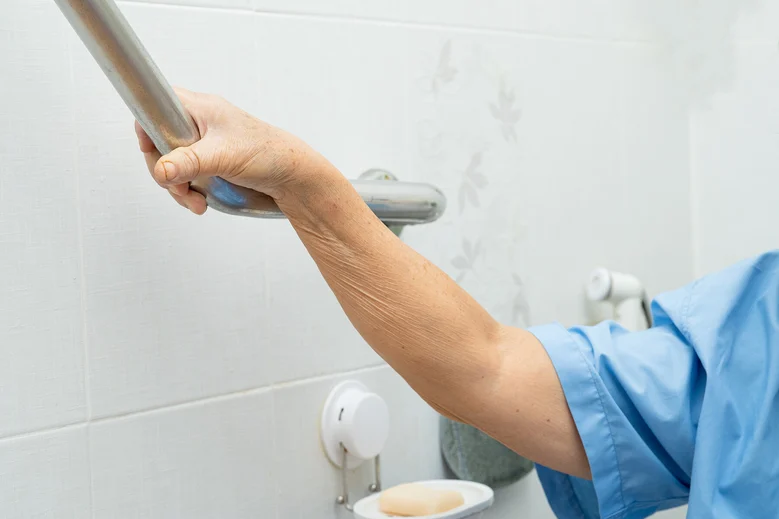
Maintaining independence and safety is a top priority for many older adults who wish to remain in their own homes. As mobility changes with age, simple daily activities can become more challenging, potentially impacting both confidence and quality of life. Fortunately, a range of practical home upgrades can make living spaces safer, more comfortable, and supportive of ongoing autonomy. This article explores essential modifications and equipment that help promote senior mobility and confidence at home, with a focus on practical solutions for bathrooms, bedrooms, and common living areas.
For families and caregivers, understanding which upgrades make the most difference is key. Whether you’re planning ahead or responding to recent changes in mobility, these improvements can reduce fall risks, support daily routines, and help seniors feel more secure in their own environment. For a broader look at creating a safer living space, you might also find our guide on home safety for elderly couples helpful.
Why Home Modifications Matter for Senior Independence
As people age, the risk of falls and injuries increases, especially in environments not designed for changing needs. Simple upgrades can make a significant difference in both mobility and self-assurance. By removing hazards and adding supportive features, seniors can move around more freely and safely, reducing anxiety and the likelihood of accidents.
Common challenges include slippery floors, hard-to-reach storage, and lack of sturdy support in key areas like bathrooms and stairways. Addressing these issues not only prevents injuries but also encourages older adults to stay active and engaged in their daily lives.
Essential Bathroom Upgrades for Safer Movement
The bathroom is often considered the most hazardous room for older adults. Wet surfaces, tight spaces, and the need to transition between sitting and standing all contribute to increased risk. To enhance senior mobility and confidence at home, consider the following upgrades:
- Grab Bars: Installing grab bars near the toilet, shower, and bathtub provides stable handholds for balance and support. For guidance on proper installation, see this grab bar installation guide.
- Non-Slip Flooring: Replacing or treating floors with non-slip materials helps prevent falls, especially when surfaces are wet.
- Raised Toilet Seats and Safety Rails: These additions make it easier to sit and stand, reducing strain on joints and minimizing fall risk.
- Walk-In Showers or Tubs: Step-in designs eliminate the need to climb over high edges, making bathing safer and more accessible.

For more detailed recommendations, our article on bathroom support systems for elderly users covers the best products and installation tips for safer bathing and toileting.
Supportive Features for Bedrooms and Living Areas
While bathrooms present obvious challenges, other parts of the home also benefit from thoughtful upgrades. In bedrooms, adding bed rails or transfer poles can help with getting in and out of bed safely. Motion-activated night lights reduce the risk of tripping during nighttime trips to the bathroom.
In living rooms and hallways, consider the following:
- Clear Pathways: Remove clutter and ensure walkways are wide enough for walkers or wheelchairs.
- Sturdy Furniture: Choose chairs and sofas with firm cushions and armrests to assist with standing up and sitting down.
- Handrails: Install handrails along hallways and staircases for extra support.
- Lever-Style Door Handles: Replace round knobs with levers, which are easier to operate for those with arthritis or limited grip strength.
These changes not only support mobility and confidence but also encourage seniors to remain active and engaged in their daily routines.
Grab Bars: A Key Upgrade for Safety and Assurance
One of the most effective ways to increase confidence and independence is the installation of grab bars in strategic locations. These bars provide reliable support for standing, sitting, and navigating slippery surfaces. When selecting grab bars, look for models that are securely anchored to wall studs and made from durable, non-corrosive materials.
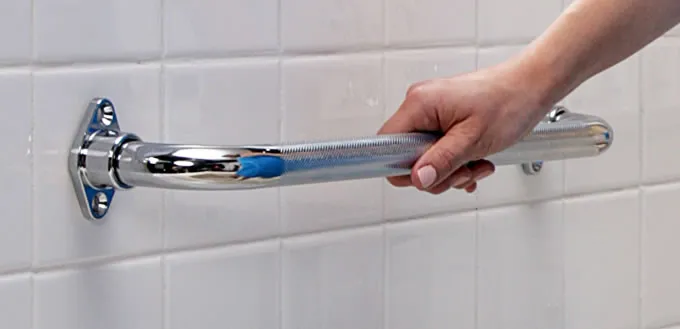
Proper placement is essential for effectiveness. Common locations include:
- Beside the toilet
- Inside and outside the shower or bathtub
- Along stairways or steps
For a step-by-step overview, refer to this comprehensive grab bar installation guide.
Additional Upgrades to Boost Senior Confidence
Beyond the basics, several other modifications can further support mobility and assurance for older adults:
- Lighting Improvements: Bright, even lighting throughout the home reduces shadows and helps prevent missteps.
- Threshold Ramps: Small ramps at doorways make it easier to navigate with walkers or wheelchairs.
- Smart Home Devices: Voice-activated lights, thermostats, and emergency alert systems add convenience and safety.
- Accessible Storage: Lowering shelves and organizing frequently used items within easy reach minimizes the need for stretching or bending.
For more on preventing accidents, see our article on senior injury prevention at home, which outlines further strategies for reducing risks throughout the house.
Maintaining Wet Floor Safety and Preventing Slips
Slippery surfaces are a leading cause of falls among seniors. Upgrading to non-slip mats, treating tile floors, and ensuring that spills are cleaned up promptly are all critical steps. For bathrooms and kitchens, consider products specifically designed to improve traction. Our resource on wet floor safety solutions provides additional tips for keeping floors safe and dry.
Choosing the Right Mobility Aids and Support Rails
Mobility aids such as canes, walkers, and wheelchairs can greatly enhance freedom of movement, but choosing the right support system is crucial. Support rails, for example, offer stability in areas where a walker or cane might not be practical. For a comparison of different options, the article on support rails vs other mobility aids breaks down the pros and cons of each, helping you select the most suitable solution for your needs.
FAQ
What are the most important home upgrades for senior safety?
The most effective improvements include installing grab bars in bathrooms, adding non-slip flooring, using raised toilet seats and safety rails, improving lighting, and removing tripping hazards. These changes directly address common sources of falls and support daily activities.
How do grab bars help with confidence and mobility?
Grab bars provide a secure handhold for standing, sitting, and moving around slippery or uneven surfaces. They reduce the risk of falls and give older adults the assurance to move more freely, especially in bathrooms and stairways.
Are there affordable options for home modifications?
Many upgrades, such as grab bars, non-slip mats, and lever-style door handles, are budget-friendly and easy to install. More extensive changes, like walk-in showers or stairlifts, may require a larger investment but can often be phased in over time based on needs and budget.
Where can I find more information on senior home safety?
For additional resources, explore our articles on home safety for elderly couples and senior injury prevention at home for comprehensive checklists and upgrade ideas.