
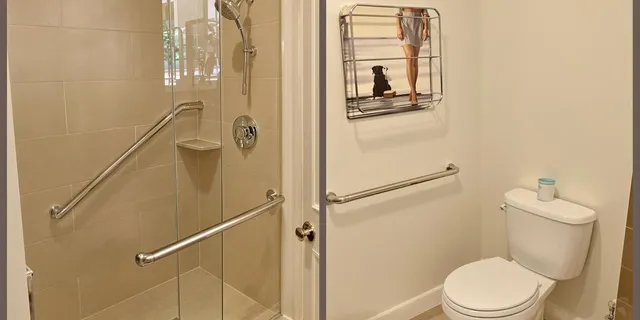
Creating a safe and accessible bathroom is essential for individuals with mobility challenges, seniors, and anyone looking to future-proof their home. Thoughtful modifications can prevent accidents, promote independence, and make daily routines more comfortable. This guide explores practical bathroom accessibility upgrades that make a difference, from simple additions to more comprehensive renovations, helping you choose the best solutions for your needs.
Whether you’re planning for aging in place or supporting a loved one, prioritizing accessibility in the bathroom is one of the most effective ways to enhance safety and quality of life. For those interested in a broader approach to home safety, our resource on home safety for elderly couples offers additional insights and recommendations.
Why Prioritize Accessible Bathroom Modifications?
Bathrooms are one of the most common areas for slips, falls, and injuries in the home. Wet surfaces, tight spaces, and traditional fixtures can pose significant hazards for people with limited mobility or balance issues. By implementing bathroom accessibility upgrades, you can:
- Reduce the risk of falls and injuries
- Support independent living for seniors and people with disabilities
- Increase comfort and convenience for all users
- Enhance the long-term value and adaptability of your home
These improvements aren’t just about safety—they also foster dignity and confidence, allowing everyone to use the bathroom with ease.
Essential Bathroom Accessibility Upgrades
There are a range of modifications that can transform a standard bathroom into a safer, more accessible space. Below are some of the most impactful changes you can make.
Grab Bars: Secure Support Where It Matters
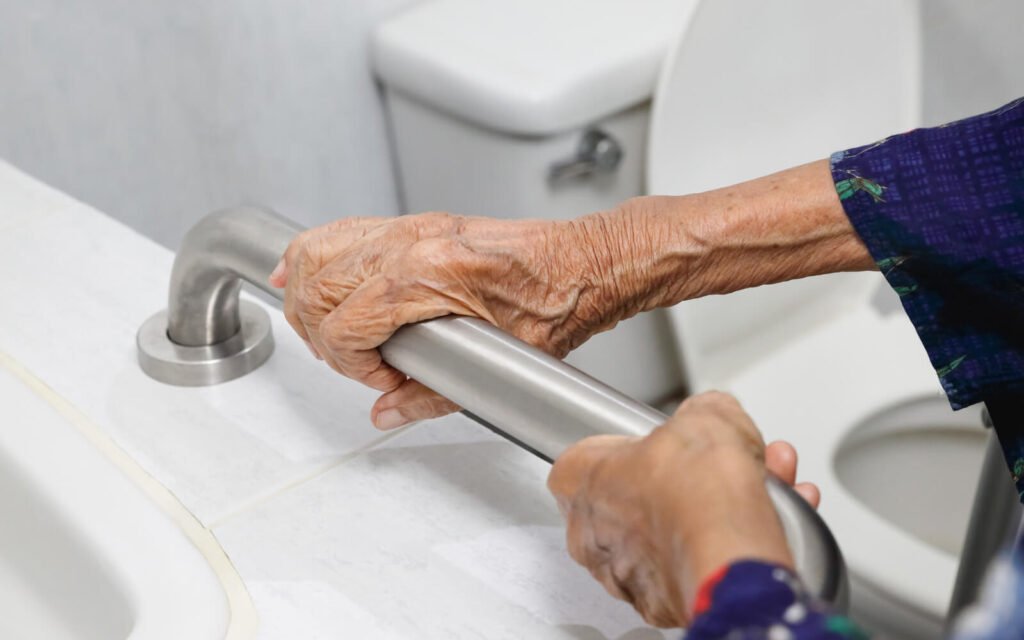
Installing grab bars is one of the simplest and most effective ways to boost bathroom safety. These sturdy bars provide reliable support for standing, sitting, and moving around wet areas. Popular locations include near the toilet, inside the shower, and beside the bathtub. For guidance on optimal placement, see these useful tips for installing grab bars in your home.
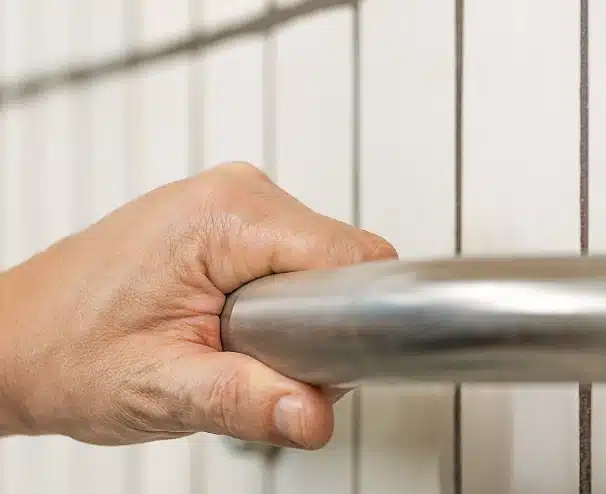
Grab bars come in various lengths and finishes to match your decor. When installed correctly, they offer peace of mind and a secure handhold for anyone who needs extra stability.
Toilet Safety Rails and Raised Seats
Getting on and off the toilet can be challenging for those with limited strength or balance. Adding toilet safety rails or a raised seat makes this task easier and safer. These upgrades provide arm support and reduce the distance needed to sit or stand, minimizing strain on joints.
Some models are portable and can be added without permanent installation, while others are securely mounted for maximum stability. These simple changes can make a significant difference in daily comfort and safety.
Non-Slip Flooring and Wet Area Solutions
Slippery floors are a leading cause of bathroom accidents. Upgrading to non-slip flooring or adding textured mats in showers and tubs can greatly reduce fall risks. For more ideas on preventing slips, explore our article on wet floor safety solutions for modern bathrooms.
Look for flooring materials with a high slip-resistance rating, and ensure that all mats have non-skid backings. Regularly check for water pooling and keep floors dry to further enhance safety.
Accessible Showers and Bathtubs
Traditional bathtubs and showers often have high thresholds that are difficult to step over. Converting to a walk-in shower or installing a low-threshold tub can make bathing much safer and more accessible. Features like built-in benches, handheld showerheads, and anti-scald valves further improve usability.
Consider adding a shower chair or transfer bench for those who need to sit while bathing. These upgrades not only prevent falls but also make personal care routines more manageable for people with varying abilities.
Wider Doorways and Clear Floor Space
For wheelchair users or those with walkers, narrow doorways and cramped layouts can be major obstacles. Widening the bathroom door and ensuring there is enough clear floor space for turning and maneuvering are key accessibility improvements. Lever-style door handles are also easier to operate than traditional knobs.
When planning a remodel, aim for at least 32 inches of clear width at the doorway and a 5-foot turning radius inside the bathroom. This ensures that mobility aids can be used comfortably and safely.
Additional Tips for a Safer, More Comfortable Bathroom
- Install lever or touchless faucets for easier operation
- Use contrasting colors for fixtures and grab bars to aid those with low vision
- Ensure adequate, glare-free lighting throughout the space
- Keep frequently used items within easy reach to avoid overreaching or bending
- Consider a comfort-height toilet for easier transfers
For a comprehensive approach to independent living, see our guide on senior home safety essentials and explore the differences between support rails vs other mobility aids to find the best fit for your needs.
Choosing the Right Accessibility Upgrades for Your Needs
Every individual and home is unique. When selecting bathroom accessibility upgrades that make a difference, consider the specific challenges faced by the user, the layout of the space, and your budget. Start with high-impact, low-cost changes like grab bars and non-slip mats, and plan for larger renovations as needed.
Consulting with an occupational therapist or accessibility specialist can help you identify the most effective solutions for your situation. Many upgrades can be installed quickly and affordably, making a noticeable improvement in safety and comfort.
Frequently Asked Questions
What are the most important bathroom modifications for seniors?
The most impactful changes include installing grab bars, adding non-slip flooring, using raised toilet seats or safety rails, and converting to a walk-in shower. These upgrades address the most common causes of bathroom injuries and promote independence.
How can I make my bathroom safer without a major remodel?
Simple steps like adding grab bars, using non-slip mats, improving lighting, and keeping the floor dry can greatly reduce hazards. Portable toilet rails and shower chairs are also effective and require minimal installation.
Are there accessibility upgrades that also look stylish?
Yes, many modern products are designed to blend seamlessly with contemporary decor. Grab bars and fixtures are available in various finishes and styles, so you can enhance safety without sacrificing aesthetics. For more ideas, see our article on bathroom accessibility improvements for elderly adults.
Where should grab bars be installed for maximum safety?
Key locations include beside the toilet, inside the shower or tub, and near the bathroom entrance. For detailed placement advice, refer to these tips on where to install grab bars in your home.
Conclusion
Investing in bathroom accessibility upgrades is a practical step toward a safer, more comfortable home for everyone. From grab bars and non-slip flooring to accessible showers and thoughtful lighting, each improvement contributes to greater independence and peace of mind. Start with the changes that offer the most immediate benefit, and continue to adapt your space as needs evolve.