
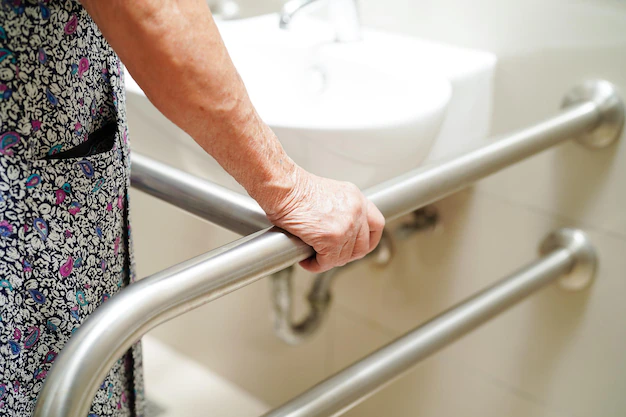
Aging at home is a goal for many older adults, but it often requires thoughtful changes to ensure safety and comfort. Home accessibility assessments for seniors are a practical way to identify risks and make homes safer, more functional, and supportive of independence. These evaluations look at the living environment through the lens of mobility, safety, and ease of use, helping families and caregivers make informed decisions about improvements.
Understanding what these assessments involve, who performs them, and what to expect can be invaluable for anyone supporting an older adult. Whether you are a senior planning to remain in your home or a loved one seeking to reduce fall risks, a professional review can highlight both immediate needs and long-term solutions.
For a comprehensive approach to preparing your home for aging in place, you may also find the aging in place home improvement checklist helpful as you consider next steps.
What Is a Home Accessibility Assessment?
A home accessibility assessment for seniors is a detailed review of a living space to evaluate how well it supports the needs of older adults. The process is typically conducted by professionals such as occupational therapists, certified aging-in-place specialists, or home modification experts. Their goal is to identify barriers that could cause accidents or limit independence, and to recommend practical modifications.
During an assessment, the evaluator will look at every area of the home, including entrances, hallways, bathrooms, kitchens, bedrooms, and outdoor spaces. They consider factors such as:
- Mobility challenges (e.g., stairs, narrow doorways, uneven flooring)
- Lighting and visibility
- Bathroom safety (e.g., grab bars, non-slip surfaces)
- Kitchen accessibility (e.g., reachable cabinets, safe appliance placement)
- Emergency preparedness and exits
The result is a customized set of recommendations designed to make the home safer and more comfortable for seniors.
Why Are Accessibility Reviews Important for Older Adults?
Falls and injuries are among the leading causes of hospitalization for seniors. Many of these incidents happen at home and are preventable with the right modifications. By conducting a thorough review, families can proactively address hazards before they lead to accidents.
Key benefits of a professional assessment include:
- Reducing the risk of falls and injuries
- Supporting independent living for longer
- Improving confidence and mobility
- Identifying cost-effective upgrades
- Providing peace of mind for families and caregivers
For more on this topic, see our guide to understanding fall risks in older adults and how to address them.
Key Areas Evaluated During Senior Home Assessments
A home accessibility assessment for seniors covers all major living spaces, but some areas require special attention due to higher risk. Here’s a closer look at what professionals focus on:
Entryways and Hallways
Safe entry and exit are essential. Assessors check for steps, thresholds, and the need for ramps or handrails. They also look at lighting and the width of hallways to ensure walkers or wheelchairs can pass through easily.
Bathroom Safety and Modifications
Bathrooms are a common site for slips and falls. Evaluators recommend solutions such as grab bars, non-slip mats, raised toilet seats, and accessible showers. For a deeper dive into effective upgrades, see our article on bathroom accessibility upgrades that make a difference.
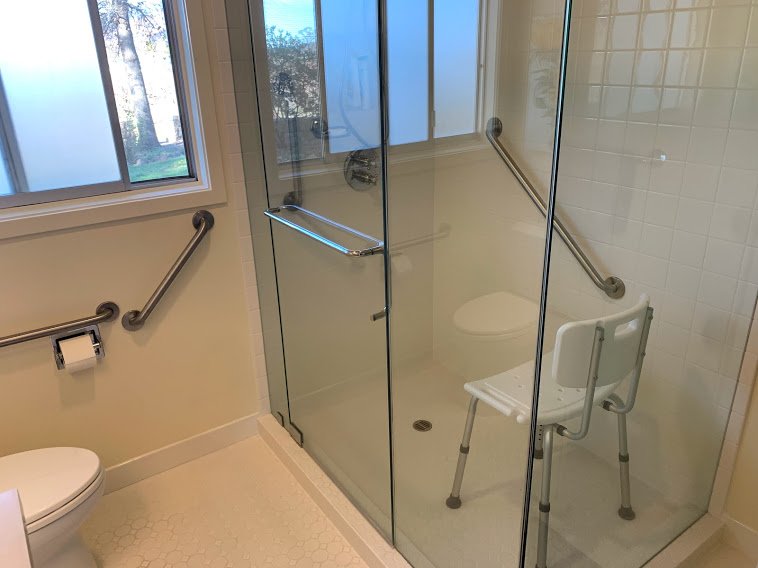
Grab bars are a simple but effective way to prevent falls. For a comprehensive overview, read this comprehensive guide to bathroom grab bars for elderly safety.
Kitchen Accessibility
Assessments look at countertop heights, appliance placement, and storage accessibility. Recommendations may include pull-out shelves, lever-style handles, and improved lighting to make meal preparation safer and easier.
Bedroom and Living Areas
Evaluators check for clear pathways, secure rugs, and appropriate furniture height. They also consider the need for bed rails or transfer aids to help with getting in and out of bed safely.
Stairways and Outdoor Spaces
Stairs are a major hazard for seniors. Assessors may suggest stair lifts, additional railings, or ramps. Outdoor walkways should be level, well-lit, and free of obstacles.

How to Prepare for a Senior Accessibility Evaluation
Before scheduling an assessment, it helps to gather information about current health conditions, mobility aids in use, and any recent falls or accidents. Make a list of daily challenges or concerns, such as difficulty reaching items, navigating stairs, or using the bathroom independently. This information allows the evaluator to tailor recommendations to the individual’s unique needs.
It’s also useful to involve family members or caregivers in the process. Their insights can highlight issues that may not be obvious to the senior themselves.
Implementing Recommendations: What Happens Next?
After the assessment, you’ll receive a report outlining suggested changes. These may range from simple fixes, like rearranging furniture or adding nightlights, to more significant upgrades such as installing ramps, grab bars, or walk-in showers.
Some modifications can be done by handy homeowners, while others may require professional installation. Prioritize changes that address the most serious risks first, such as preventing falls in the bathroom or improving entryway access.
For those interested in a broader approach to home upgrades, our resource on senior mobility and confidence at home offers additional ideas to support independence.
Choosing the Right Professional for Your Assessment
Look for evaluators with experience in home accessibility assessments for seniors. Occupational therapists are highly trained in matching home environments to physical needs. Certified aging-in-place specialists and some contractors also offer these services. Ask about their credentials, approach, and whether they provide written recommendations.
If you’re considering major renovations, it’s wise to work with professionals familiar with local building codes and accessibility standards.
Frequently Asked Questions
How often should a home accessibility assessment be done for seniors?
It’s a good idea to review the home environment every few years or after any major health changes. As mobility and needs evolve, new risks may emerge that require attention.
Are there financial assistance programs for home modifications?
Yes, some local governments, nonprofits, and insurance plans offer grants or low-interest loans for accessibility upgrades. Check with local agencies or senior organizations for available resources.
What are the most common recommendations from an accessibility review?
Typical suggestions include installing grab bars, improving lighting, removing tripping hazards, widening doorways, and adding ramps or railings. Each home and individual is different, so recommendations are tailored to specific needs.
Conclusion
A thorough review of the home environment is a practical step toward safer, more independent living for older adults. By identifying hazards and recommending targeted improvements, these evaluations empower seniors and their families to make informed choices. For those looking to take the next step, exploring best practices for aging in place can provide further guidance on creating a supportive, comfortable home.