
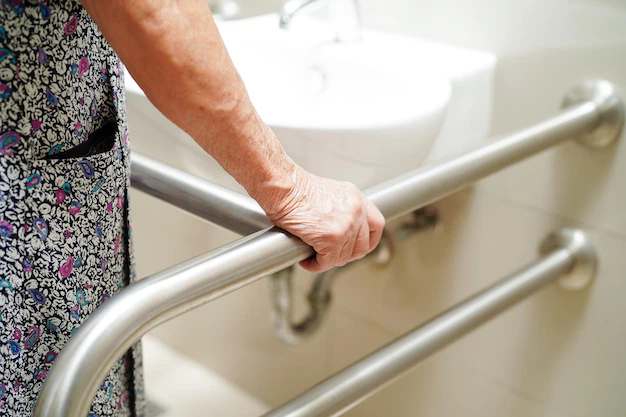
Recovering from surgery often brings new challenges, especially when it comes to daily routines like using the bathroom. The risk of slips, falls, and other accidents increases significantly during this period, making it essential to prioritize bathroom safety after surgery recovery. Simple modifications and careful planning can help ensure a safer environment, support healing, and restore confidence for those regaining independence at home.
Whether you’re preparing for a loved one’s return from the hospital or planning your own recovery, understanding the key elements of a secure bathroom is crucial. From installing grab bars to choosing the right toilet safety rails, each step can make a meaningful difference. For a broader look at home modifications, you may also find the aging in place home improvement checklist helpful as you plan for a safer living space.
Why Bathroom Safety Matters After Surgery
The bathroom is one of the most hazardous areas in the home, especially for those with limited mobility or balance issues following surgery. Wet surfaces, tight spaces, and the need to transfer in and out of the tub or on and off the toilet all contribute to increased risk. According to the CDC, falls are a leading cause of injury among older adults, and many of these incidents occur in the bathroom.
Implementing bathroom safety after surgery recovery measures is not just about preventing falls. It’s also about promoting independence, reducing anxiety, and supporting a smoother healing process. Even temporary changes can make a significant impact during the critical weeks or months after a procedure.
Essential Modifications for a Safer Bathroom
Creating a secure environment involves a combination of equipment, layout adjustments, and daily habits. Here are some of the most effective strategies to enhance safety during recovery:
- Install grab bars: These provide sturdy support for standing, sitting, and moving around the bathroom. Place them near the toilet, shower, and bathtub for maximum benefit.
- Use non-slip mats: Place these on the floor inside and outside the shower or tub to reduce the risk of slipping on wet surfaces.
- Elevate the toilet seat: Raised seats make it easier to sit down and stand up, minimizing strain on healing muscles and joints.
- Shower chairs and benches: These allow users to sit while bathing, reducing fatigue and the risk of falls.
- Handheld showerheads: Adjustable showerheads make it easier to bathe while seated and help maintain balance.
- Clear pathways: Remove clutter and ensure there’s enough space to move safely, especially if using mobility aids.
For more detailed suggestions, the article on bathroom accessibility upgrades that make a difference offers practical ideas for both temporary and permanent modifications.
Choosing and Installing Grab Bars
Grab bars are one of the most effective tools for bathroom safety after surgery recovery. They provide reliable support and can be installed in various locations depending on individual needs. When selecting grab bars, consider the following:
- Material: Stainless steel or heavy-duty plastic bars are durable and easy to clean.
- Length and placement: Choose bars long enough to provide full support. Install them vertically, horizontally, or at an angle, depending on the location and user preference.
- Professional installation: Secure mounting is critical. If possible, have a professional install the bars to ensure they can support weight safely.

For a comprehensive overview of the benefits and installation tips, see this comprehensive guide to bathroom grab bars for elderly safety.
Toilet Safety and Support Solutions
Getting on and off the toilet can be particularly challenging after surgery. Installing toilet safety rails or frames provides additional support and stability, reducing the risk of falls. These aids are especially helpful for individuals recovering from hip, knee, or abdominal procedures.
Look for models that are adjustable and easy to clean. Some rails attach directly to the toilet, while others are freestanding. Pairing rails with a raised toilet seat can further improve comfort and safety.

Preventing Slips and Falls During Recovery
Beyond installing equipment, adopting safer habits can further reduce the risk of accidents. Here are some practical tips:
- Keep the floor dry: Wipe up spills immediately and use absorbent bath mats.
- Wear non-slip footwear: Shoes or slippers with good traction help prevent slipping.
- Ensure adequate lighting: Install night lights to improve visibility during nighttime bathroom trips.
- Move slowly: Take your time when transitioning from sitting to standing or moving between bathroom fixtures.
- Ask for help: Don’t hesitate to request assistance from a caregiver or family member, especially in the early stages of recovery.
Understanding the factors that contribute to falls is key. For more on this topic, see understanding fall risks in older adults, which explains common causes and prevention strategies.
Maintaining Independence and Confidence
Adapting the bathroom environment not only prevents injuries but also supports emotional well-being. Regaining the ability to manage personal care tasks independently is a significant milestone in the recovery journey. Simple upgrades and thoughtful planning can help restore confidence and promote a sense of normalcy.
For those looking to make broader changes, senior mobility and confidence at home explores additional home modifications that can further enhance safety and independence.
Long-Term Benefits of a Safe Bathroom
While some modifications may be temporary, many improvements made for bathroom safety after surgery recovery offer lasting benefits. Features like grab bars, non-slip flooring, and improved lighting can serve anyone in the household, from children to seniors. Investing in these upgrades can also increase the value and accessibility of your home.
For those considering aging in place, these changes lay the foundation for a safer, more comfortable living environment for years to come. The article on best practices for aging in place provides further guidance on creating a supportive home setting.
Frequently Asked Questions
What are the most important bathroom safety features after surgery?
The most critical features include grab bars near the toilet and shower, non-slip mats, elevated toilet seats, and adequate lighting. These modifications help prevent falls and provide support during transfers.
How do I choose the right grab bars for my bathroom?
Look for bars made of durable materials like stainless steel, with a length and grip that suit your needs. Placement should be based on where support is most needed, such as next to the toilet or inside the shower. Professional installation is recommended for maximum safety.
Can I install bathroom safety equipment myself?
Some items, like non-slip mats and raised toilet seats, are easy to install without professional help. However, grab bars and safety rails should be securely mounted, ideally by a professional, to ensure they can support weight safely.