
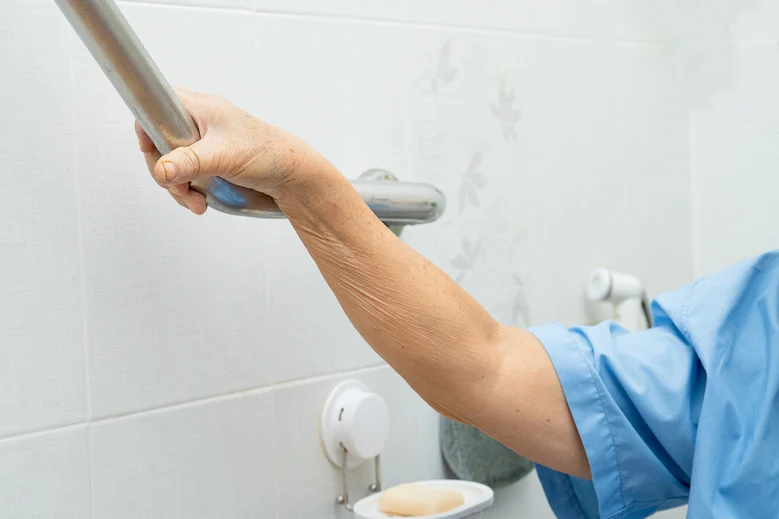
Falls and injuries among older adults are a leading cause of hospital visits and loss of independence. Making targeted improvements to the living environment can significantly reduce these risks. This guide explores practical, high-impact upgrades for senior injury prevention at home, focusing on essential bathroom and mobility modifications. Whether you’re a caregiver, family member, or planning for your own future needs, understanding these core changes can help maintain safety and confidence at home.
Many seniors want to age in place, but standard home layouts often present hazards. Slippery floors, awkward bathroom fixtures, and lack of sturdy support can turn daily routines into potential dangers. By identifying and addressing these risks, it’s possible to create a safer, more accessible living space that supports independence and peace of mind.
For a broader look at essential safety strategies, see senior home safety essentials for more actionable tips on maintaining independence.
Why Home Modifications Matter for Senior Safety
As mobility, balance, and vision change with age, the risk of falls and injuries increases. According to the CDC, one in four Americans aged 65+ falls each year, and many of these incidents happen at home. Simple upgrades—such as installing grab bars or toilet safety rails—can make a dramatic difference in reducing hazards and supporting daily routines.
Effective senior injury prevention at home focuses on eliminating tripping hazards, improving stability, and making essential areas like the bathroom more accessible. These upgrades not only prevent injuries but also promote confidence and autonomy for older adults.
Bathroom Upgrades: The Foundation of Home Safety
The bathroom is one of the most common sites for slips and falls. Wet surfaces, tight spaces, and awkward movements can quickly lead to accidents. Prioritizing bathroom modifications is a key step in any home safety plan.
Toilet Safety Rails: Enhanced Support Where It’s Needed Most
Getting on and off the toilet can be challenging for those with limited strength or balance. Toilet safety rails provide sturdy handholds, reducing the risk of falls and making the process safer and more comfortable.
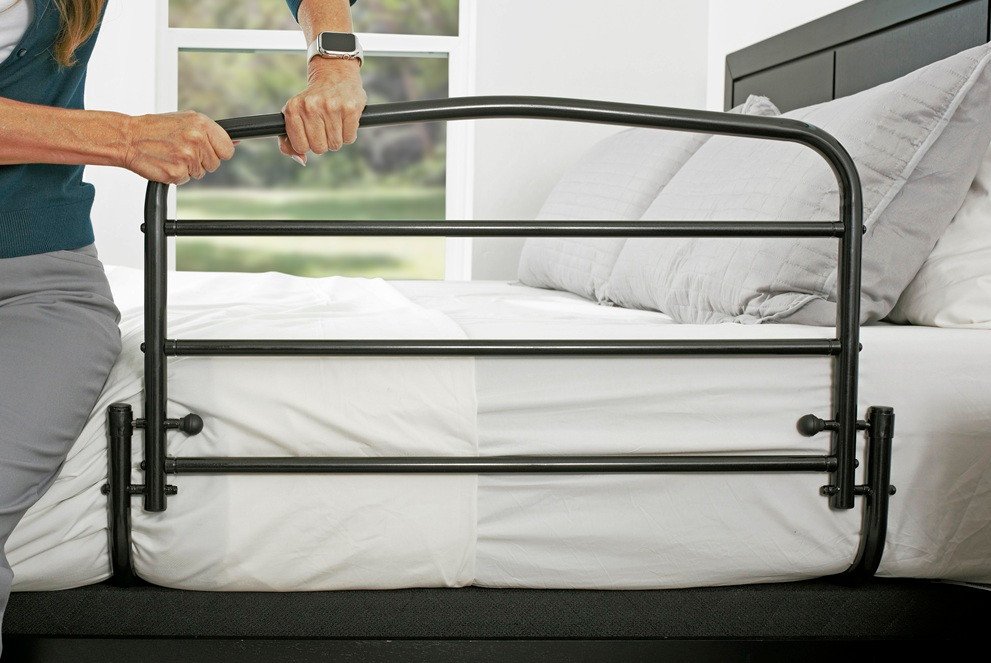
Look for adjustable models that fit securely around the toilet and offer padded grips for comfort. Installation is typically straightforward, and the added stability can make a significant difference in daily life.
Grab Bars: Essential for Shower and Tub Safety
Stepping in and out of the shower or tub is another high-risk activity. Grab bars provide a reliable handhold, helping to prevent slips on wet surfaces. They can be installed vertically, horizontally, or at an angle depending on the user’s needs and the bathroom layout.
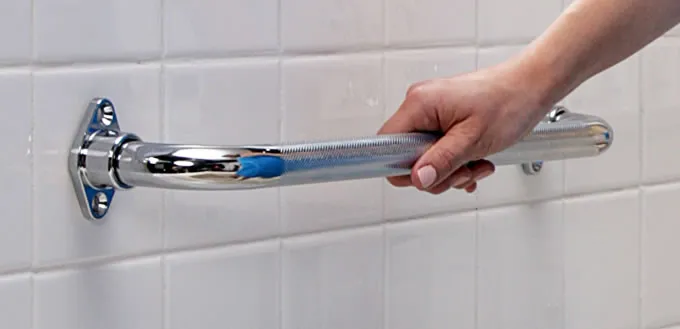
For guidance on proper placement and installation, refer to this grab bar installation guide for step-by-step instructions and safety tips. Properly installed grab bars are a cornerstone of senior injury prevention at home and can be tailored to fit any bathroom design.
Additional Core Upgrades for a Safer Living Space
While bathroom modifications are crucial, other areas of the home can also benefit from targeted improvements. Here are some additional upgrades to consider:
- Non-slip flooring: Replace or cover slippery surfaces with non-slip mats or textured flooring, especially in entryways, kitchens, and bathrooms.
- Improved lighting: Increase brightness in hallways, staircases, and bathrooms to reduce the risk of tripping or missing steps. Consider motion-sensor night lights for nighttime navigation.
- Clear pathways: Remove clutter, secure loose rugs, and ensure furniture does not block walkways. This minimizes tripping hazards and allows for easier movement with mobility aids.
- Accessible storage: Lower shelves and cabinets to reduce the need for reaching or climbing. Frequently used items should be within easy arm’s reach.
- Stair safety: Install sturdy handrails on both sides of stairs and consider contrasting tape or paint for better visibility on each step.
For those interested in optimizing bathroom layouts further, explore advice on how to maximize space in a walk-in shower for safer and more comfortable bathing experiences.
Integrating Upgrades into Daily Life
Making changes for senior injury prevention at home is most effective when upgrades are integrated seamlessly into daily routines. Involve the person who will use the modifications in the planning process to ensure the solutions meet their needs and preferences. Regularly check that grab bars, rails, and other equipment remain securely installed and in good condition.
It’s also helpful to review the home environment periodically as needs change. What works well today may need adjustment in the future as mobility or health status evolves.
Frequently Asked Questions
What are the most important areas to upgrade for senior safety at home?
The bathroom is typically the highest priority, with grab bars and toilet safety rails offering immediate benefits. Other key areas include stairways (with secure handrails), entryways (with non-slip mats), and ensuring clear, well-lit pathways throughout the home.
How do I choose the right grab bars and safety rails?
Look for products that are ADA-compliant, made from durable materials, and offer textured or padded grips. Consider the user’s height, strength, and specific needs when selecting placement and style. Professional installation is recommended for maximum safety, but many products are designed for easy DIY installation.
Are there other resources for making a home safer for seniors?
Yes, in addition to this guide, you can find comprehensive advice in resources like senior home safety essentials and specialized guides on topics such as walk-in shower lighting for low vision users. Local aging agencies and occupational therapists can also provide personalized recommendations.
Conclusion
Investing in targeted home upgrades is a practical and effective way to support senior injury prevention at home. By focusing on high-impact areas like the bathroom and making thoughtful changes throughout the living space, it’s possible to reduce risks and promote independence. Regularly reviewing and updating these modifications ensures ongoing safety and peace of mind for seniors and their families.