
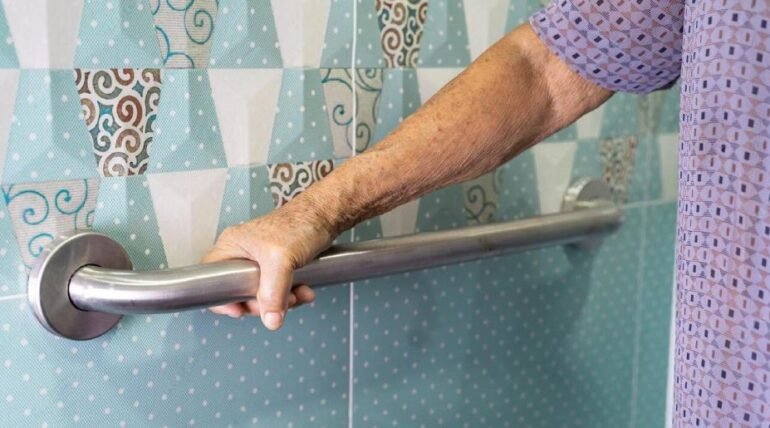
As people age, the bathroom can become one of the most challenging areas of the home. Slippery surfaces, awkward layouts, and high fixtures can increase the risk of falls and make daily routines more difficult. Implementing bathroom accessibility improvements is essential for supporting independence and safety for elderly adults. This guide explores practical modifications and products that can transform a standard bathroom into a safer, more comfortable space for seniors.
Whether you’re planning a full remodel or looking for simple upgrades, focusing on accessibility can make a significant difference. Many solutions are affordable and easy to install, while others may require professional help. By understanding the options available, families and caregivers can create a supportive environment that promotes confidence and reduces hazards.
For those interested in optimizing other areas of the bathroom, consider reading about how to maximize space in a walk-in shower for additional design strategies.
Why Bathroom Safety Matters for Seniors
Bathrooms are a common site for slips and falls, especially among older adults. Reduced mobility, balance issues, and vision changes can make everyday tasks like bathing and toileting risky. According to the CDC, falls are a leading cause of injury among seniors, and many occur in the bathroom. By prioritizing bathroom accessibility improvements, families can help prevent accidents and support aging in place.
Accessible bathrooms not only reduce hazards but also foster independence. Simple changes—like installing grab bars or raising the toilet seat—can make a world of difference for someone with limited strength or flexibility. These adjustments can also ease the burden on caregivers, making it easier to assist loved ones with daily routines.
Essential Modifications for Safer Bathrooms
There are several key upgrades that can greatly enhance safety and usability for elderly adults. Here are some of the most effective changes to consider:
- Grab Bars: Securely mounted bars near the toilet, shower, and bathtub provide support for standing and moving.
- Raised Toilet Seats: Elevated seats reduce the effort needed to sit and stand, which is especially helpful for those with joint pain or weakness.
- Non-Slip Flooring: Mats and textured tiles help prevent slips on wet surfaces.
- Walk-In Showers or Tubs: Low-threshold entries eliminate the need to step over high edges, minimizing tripping risks.
- Handheld Showerheads: Adjustable showerheads make bathing easier for those with limited mobility.
- Toilet Safety Rails: Rails on either side of the toilet provide additional stability.
- Improved Lighting: Bright, glare-free lighting helps seniors see obstacles and navigate safely.
Each of these modifications addresses a specific challenge, making the bathroom more accessible and user-friendly for seniors.
Installing Grab Bars for Enhanced Support
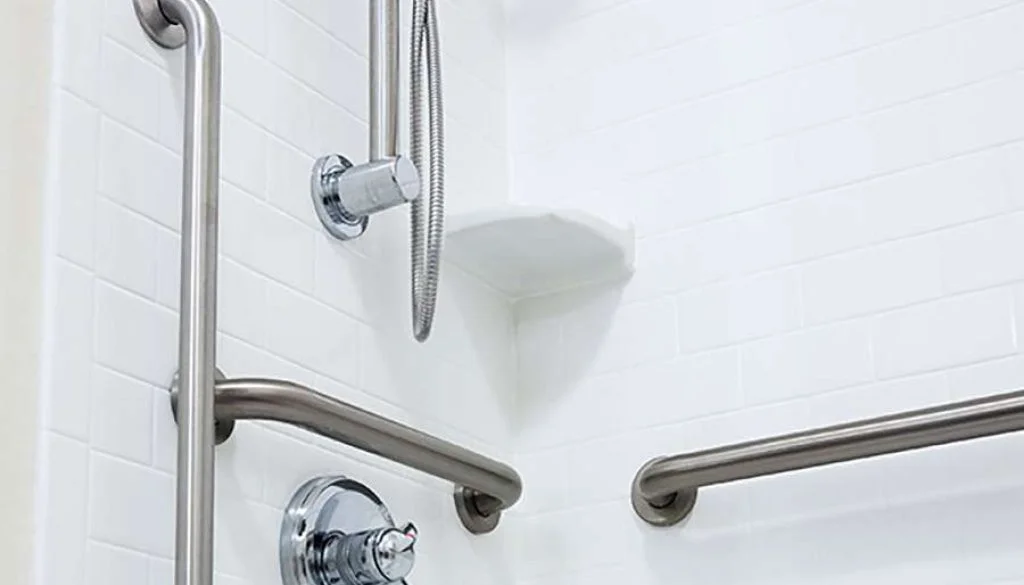
One of the most impactful bathroom accessibility improvements is the installation of grab bars. These sturdy supports can be placed near the toilet, shower, or bathtub to assist with sitting, standing, and balance. Grab bars should be anchored into wall studs and positioned at a comfortable height for the user.
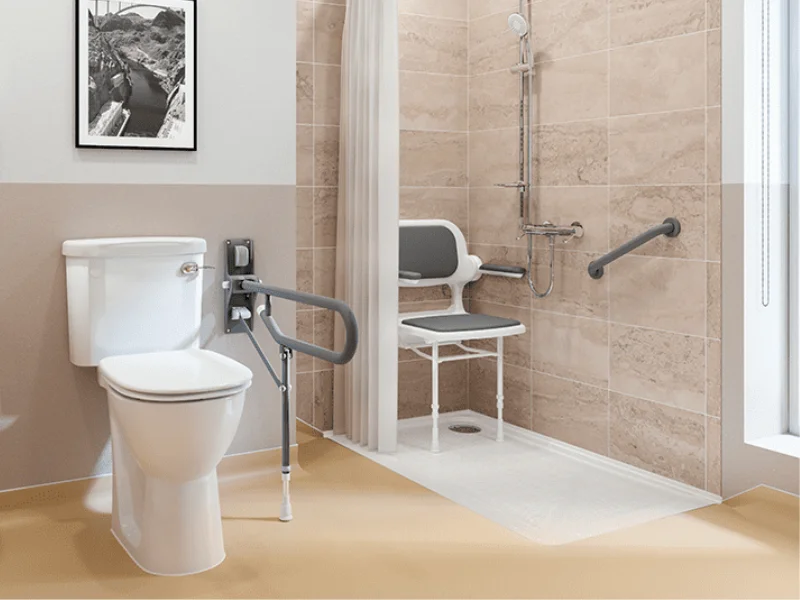
When selecting grab bars, look for models with textured grips and corrosion-resistant finishes. Placement is key—bars should be within easy reach of the shower entrance, inside the bathing area, and next to the toilet. For a deeper dive into the benefits and installation tips, see this comprehensive overview of how grab bars enhance senior safety and mobility.
Upgrading Toilets for Accessibility
Standard toilets can be difficult for seniors to use, especially for those with arthritis or limited leg strength. Upgrading to a raised toilet seat or installing toilet safety rails can make a significant difference. Raised seats reduce the distance required to sit and stand, while rails provide extra support and stability.
Some models combine both features, offering a secure and comfortable solution. These upgrades are typically easy to install and can be removed if no longer needed. For those with more advanced needs, consider a comfort-height toilet, which is taller than standard versions and designed for easier access.
Non-Slip Flooring and Bath Mats
Slippery floors are a major hazard in any bathroom. Installing non-slip tiles or adding textured adhesive strips to existing surfaces can greatly reduce the risk of falls. In addition, high-quality bath mats with rubber backing provide extra grip and absorb water, keeping floors dry and safe.
Be sure to secure mats firmly to prevent bunching or sliding. Avoid using small rugs without non-slip backing, as these can become tripping hazards.
Accessible Showers and Bathtubs
Traditional bathtubs and showers with high thresholds can be challenging for elderly adults. Replacing them with walk-in models is one of the most effective bathroom accessibility improvements. Walk-in showers feature low or no barriers, making entry and exit much safer. Many also include built-in seating and handheld showerheads for added convenience.
For those who prefer baths, walk-in tubs with doors allow users to enter without stepping over a high edge. These tubs often include slip-resistant surfaces and integrated grab bars for maximum safety. To learn more about the benefits of therapeutic features, see our article on walk-in tub foot massage jet benefits.
Improving Lighting and Visibility
Poor lighting can make it difficult for seniors to see obstacles, increasing the risk of accidents. Upgrading to bright, even lighting is a simple but effective way to improve safety. Consider installing LED fixtures, motion-activated lights, or illuminated switches for added convenience.
For those with low vision, additional lighting in the shower or near the toilet can help. For more tips on optimizing illumination, see our guide on walk-in shower lighting for low vision users.
Additional Tips for a Senior-Friendly Bathroom
- Keep frequently used items within easy reach to avoid bending or stretching.
- Use lever-style faucet handles, which are easier to operate than knobs.
- Install a shower chair or bench for those who need to sit while bathing.
- Remove unnecessary clutter to create clear pathways.
- Consider contrasting colors for fixtures and grab bars to improve visibility.
Every adjustment, no matter how small, contributes to a safer and more accessible environment.
Frequently Asked Questions
What are the most important bathroom modifications for seniors?
The most critical changes include installing grab bars, using non-slip flooring, raising the toilet seat, and improving lighting. These upgrades address the main risks of slips, trips, and falls, and make daily routines more manageable for elderly adults.
Can I install grab bars and safety rails myself?
Some grab bars and rails are designed for DIY installation, but it’s important to ensure they are securely anchored into wall studs. If you’re unsure, hiring a professional can guarantee proper placement and safety.
How can I make a small bathroom more accessible?
Focus on space-saving solutions like wall-mounted grab bars, compact shower seats, and raised toilet seats. Removing unnecessary furniture and using sliding doors can also help maximize available space. For more ideas, see our article on how to maximize space in a walk-in shower.
Are there affordable options for improving bathroom safety?
Yes, many effective products—such as adhesive non-slip strips, portable grab bars, and raised toilet seats—are budget-friendly and easy to install. Prioritizing these upgrades can have a big impact without requiring a full remodel.
Conclusion
Investing in bathroom accessibility improvements is one of the best ways to support the safety, comfort, and independence of elderly adults. From grab bars and non-slip flooring to better lighting and accessible fixtures, each modification helps reduce hazards and makes daily life easier. By taking a proactive approach, families can create a bathroom environment that empowers seniors to age in place with confidence.