
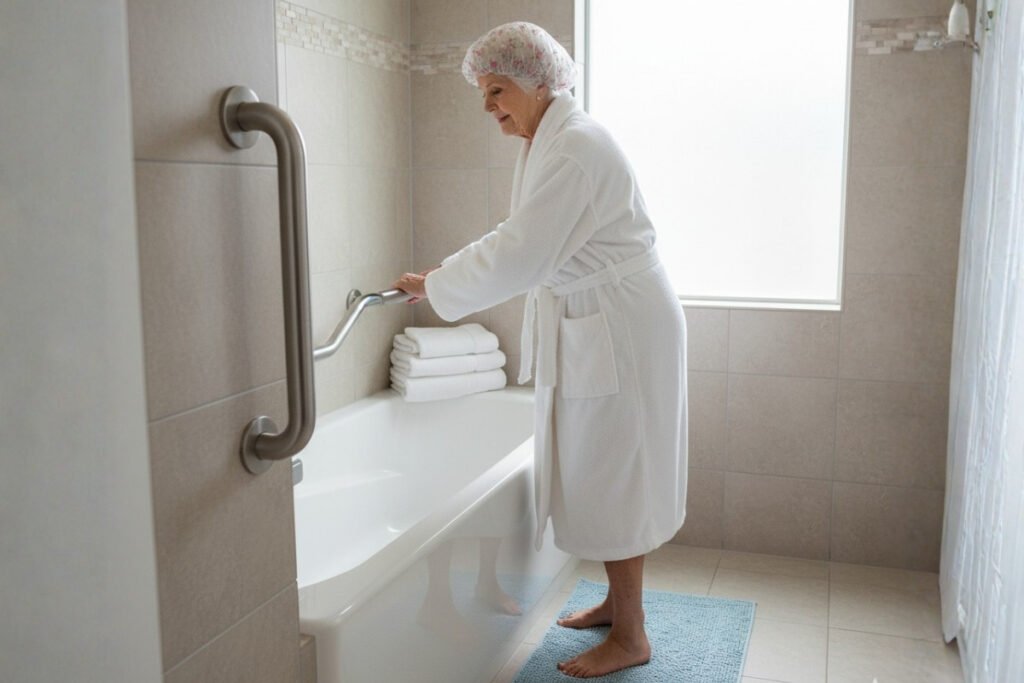
As couples age together, their living environment should adapt to support changing needs. Prioritizing home safety for elderly couples can help prevent accidents, foster independence, and provide peace of mind for families. Whether you’re planning ahead or responding to new mobility challenges, making targeted upgrades can transform a house into a secure, comfortable home for years to come.
This guide explores practical steps and proven solutions for reducing risks in key areas of the home. From bathroom modifications to lighting improvements, each recommendation is designed to address the unique challenges faced by older adults living together. For couples considering larger renovations, you’ll also find tips for maximizing space and comfort in walk-in showers and tubs. For more on optimizing bathroom layouts, see how to maximize space in a walk-in shower.
Why Prioritize Safety Upgrades for Aging in Place?
Many older couples prefer to remain in their own homes as they age, a concept known as “aging in place.” However, traditional home layouts often present hazards that increase the risk of falls, injuries, and daily frustrations. According to the CDC, falls are the leading cause of injury among older adults, with bathrooms and stairs being particularly high-risk zones.
Investing in home safety improvements for seniors can:
- Reduce the likelihood of falls and injuries
- Support independent living and dignity
- Ease the burden on caregivers and family members
- Enhance comfort and accessibility for both partners
Even small adjustments—like adding grab bars or improving lighting—can make a significant difference in daily life.
Bathroom Upgrades: Reducing Slips and Falls
The bathroom is one of the most important areas to address when considering home safety for elderly couples. Wet floors, high tub walls, and limited support surfaces can all contribute to accidents. Fortunately, several targeted upgrades can greatly reduce these risks.
Installing Grab Bars and Support Rails
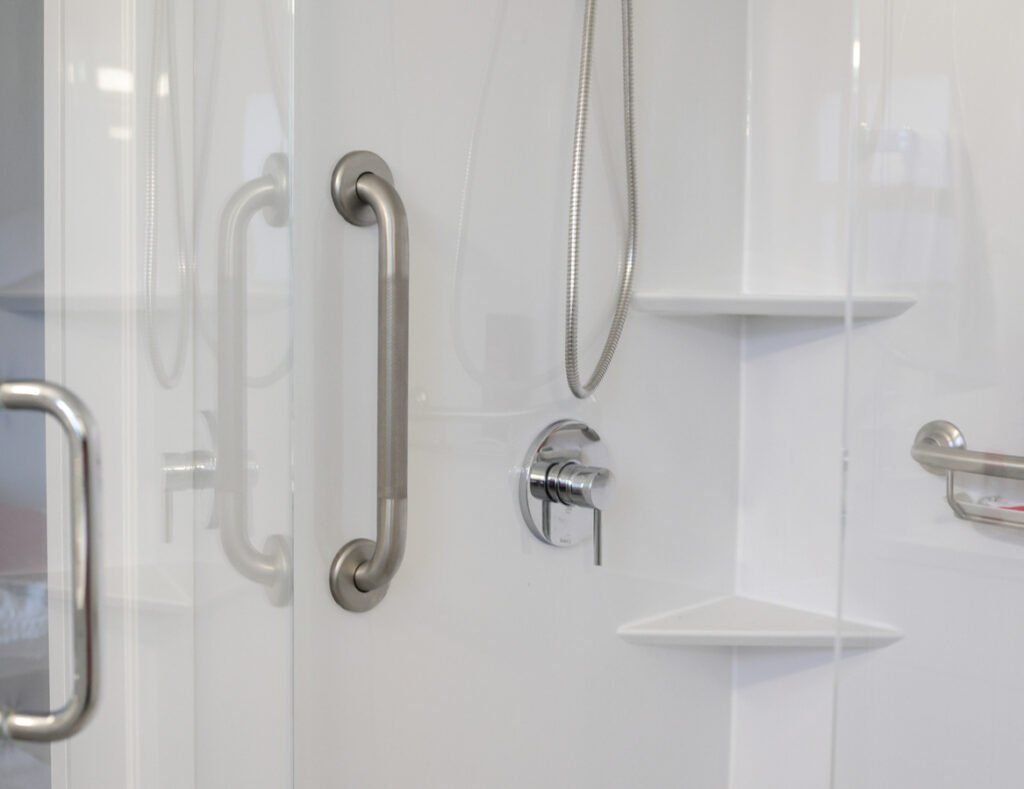
Grab bars provide essential support for getting in and out of showers or tubs, and for steadying oneself near the toilet. When choosing locations, consider both partners’ heights and reach. For detailed guidance, refer to these useful tips on where to install grab bars in your home.
- Install vertical bars at shower entrances and near tubs
- Use horizontal bars along shower walls for added stability
- Consider angled bars for easier grip and leverage
Choose bars that are securely anchored into wall studs, and opt for non-slip finishes for extra safety.
Non-Slip Flooring and Mats
Slippery surfaces are a leading cause of falls. Replace glossy tiles with textured, slip-resistant flooring, or use high-quality non-slip mats in showers and tubs. Ensure that mats have beveled edges to prevent tripping.
Walk-In Showers and Tubs
For couples with mobility challenges, converting a traditional tub to a walk-in model can be transformative. Walk-in showers with low thresholds, built-in seating, and handheld showerheads offer both safety and comfort. For those interested in advanced features, learn about walk-in tub foot massage jet benefits to enhance circulation and relaxation.
Toilet and Sink Modifications for Safer Daily Routines
Daily activities like using the toilet or washing hands can become difficult without the right support. Upgrading these areas helps maintain privacy and independence for both partners.

Raised Toilet Seats and Safety Rails
Standard toilets can be too low for comfortable use. Installing a raised seat makes sitting and standing easier, while safety rails on either side provide extra support. These upgrades are simple to install and can be removed if no longer needed.
Lever-Style Faucets and Easy-Access Sinks
Replace traditional twist faucets with lever-style handles for easier operation, especially for those with arthritis. Consider wall-mounted sinks with knee clearance for wheelchair users, and ensure that hot water temperatures are set to prevent scalding.
Lighting and Visibility: Preventing Accidents Day and Night
Poor lighting can make it difficult to spot hazards, especially for those with vision changes. Improving visibility throughout the home is a key aspect of home safety for elderly couples.
Strategic Lighting Placement
- Add bright, glare-free lights in hallways, staircases, and entryways
- Use motion-activated night lights in bedrooms and bathrooms
- Install switches at both ends of long corridors for convenience
For couples with low vision, specialized lighting can make a significant difference. Explore more on walk-in shower lighting for low vision users for tailored solutions.
High-Contrast Markings and Clear Pathways
Mark the edges of steps and thresholds with contrasting tape or paint to make them easier to see. Keep walkways clear of clutter, cords, and loose rugs to reduce tripping hazards.
Other Key Upgrades for a Safer Home
While bathrooms and lighting are critical, several other upgrades can further enhance safety and comfort for older couples:
- Stair Lifts and Ramps: Install stair lifts or ramps for homes with multiple levels or entry steps.
- Widened Doorways: Enlarge doorways to accommodate walkers or wheelchairs.
- Accessible Storage: Lower shelves and cabinets for easier reach, and use pull-out drawers for convenience.
- Smart Home Devices: Consider voice-activated assistants, video doorbells, and emergency alert systems for added security.
For couples with walk-in tubs, addressing mechanical issues is also important. If you experience unusual noises or vibrations, see how to troubleshoot walk-in tub jet noise for practical solutions.
Choosing the Right Products and Professional Help
Not all safety upgrades require major renovations. Many products, such as grab bars and raised toilet seats, can be installed with basic tools. However, for larger changes—like converting a tub or widening doorways—it’s wise to consult professionals who specialize in accessible home modifications.
When selecting products:
- Look for ADA-compliant options for maximum safety
- Read reviews and consult with occupational therapists if possible
- Choose products that fit both partners’ needs and preferences
For more on choosing durable materials, see this resource on comparing walk-in tub door gaskets for longevity and performance.
Frequently Asked Questions
What are the most important safety upgrades for older couples living at home?
The most impactful changes include installing grab bars in bathrooms, adding non-slip flooring, improving lighting, and using raised toilet seats. These upgrades address the most common causes of falls and help both partners maintain independence.
How can I make my bathroom safer without a full remodel?
Simple changes like adding grab bars, using non-slip mats, and installing a handheld showerhead can significantly improve bathroom safety. Raised toilet seats and safety rails are also easy to add and remove as needed.
Are there financial assistance programs for home modifications?
Some local governments, nonprofits, and insurance plans offer grants or low-interest loans for home safety upgrades. Check with your local Area Agency on Aging or senior services organizations for available resources.
Conclusion
Proactively upgrading your home can make a world of difference for aging couples. By focusing on high-risk areas and choosing the right products, you can create a safer, more comfortable environment that supports independence and well-being. Start with the most urgent needs—like bathroom safety and lighting—and build from there. With thoughtful planning, your home can remain a secure and welcoming place for many years to come.