
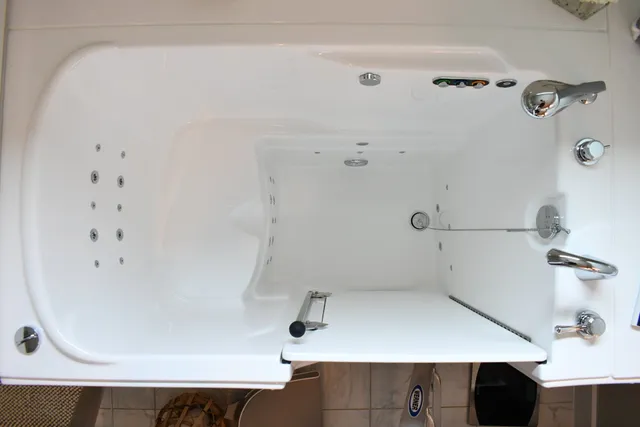
Choosing a walk-in tub is a significant decision for anyone prioritizing safety, accessibility, and comfort in the bathroom. With so many models and features available, it’s crucial to know which certifications and standards indicate a truly reliable and secure product. This walk-in tub safety certification checklist provides a clear, practical overview of the essential safety marks, construction details, and features you should verify before making a purchase.
Whether you’re shopping for yourself or a loved one, understanding these certifications helps ensure peace of mind and long-term satisfaction. Along the way, we’ll highlight key safety considerations, explain what each certification means, and offer tips for evaluating tubs in person or online. For those also considering shower safety, you may find our guide on walk-in shower grab bar weight ratings helpful for ensuring proper support in the bathroom.
Why Safety Certifications Matter for Walk-In Tubs
Not all walk-in tubs are created equal. Safety certifications are more than just labels—they represent rigorous testing and compliance with industry standards. These marks help you identify tubs that have been evaluated for structural integrity, slip resistance, electrical safety, and accessibility. When comparing options, always look for evidence of third-party certification to avoid products that may cut corners or lack essential protections.
Key Certifications to Check Before Buying
Here’s a breakdown of the most important certifications and what they mean for your safety and peace of mind:
- UL (Underwriters Laboratories): Indicates the electrical components, such as pumps and heaters, have been tested for safety and reliability.
- CSA (Canadian Standards Association): Confirms compliance with North American safety and performance standards for plumbing and electrical systems.
- ETL (Intertek): Another respected mark for electrical safety, often seen on tubs with advanced features like hydrotherapy or chromotherapy.
- ADA (Americans with Disabilities Act) Compliance: While not a certification, ADA compliance means the tub meets federal guidelines for accessibility, including seat height, grab bar placement, and entry threshold.
- ANSI (American National Standards Institute): Ensures the tub’s materials, construction, and design meet recognized safety and durability benchmarks.
When reviewing a product, check the manufacturer’s website or product documentation for these marks. If you’re unsure, ask for proof of certification or look for official labels on the tub itself.
Essential Features on a Walk-In Tub Safety Certification Checklist
Beyond formal certifications, certain features are critical for maximizing safety and comfort. Here are the top elements to include on your personal walk-in tub safety certification checklist:
- Non-Slip Flooring: Look for textured surfaces or factory-applied coatings that reduce the risk of slips and falls.
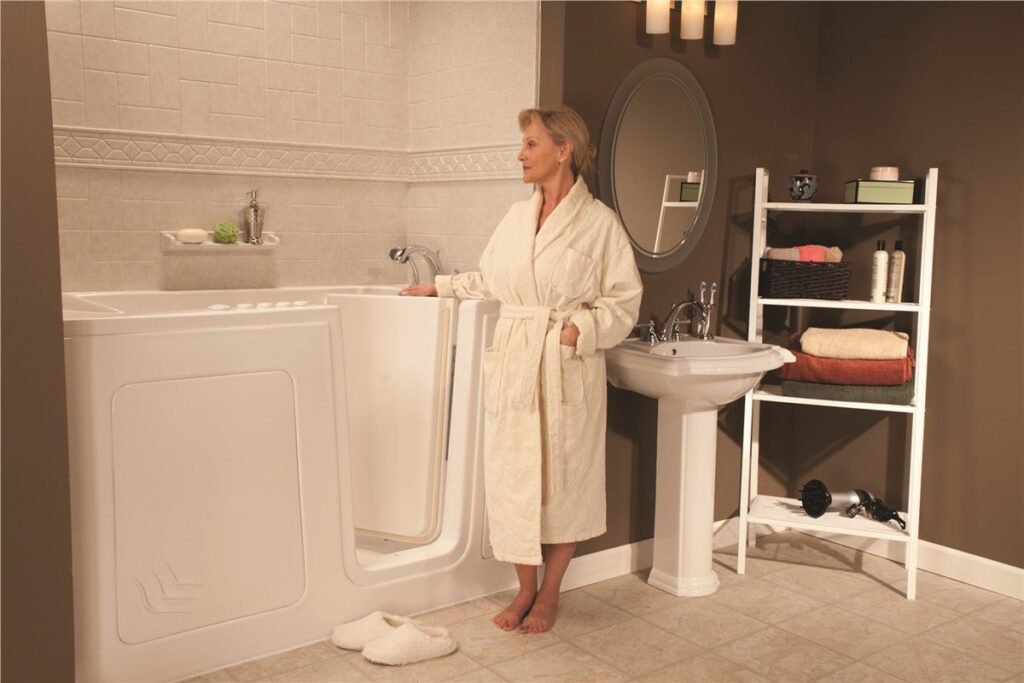
- Leak-Proof Door Seals: A watertight door is essential for preventing leaks and ensuring safe entry and exit. For more on this topic, see our guide on how to test a walk-in tub door seal.
- Grab Bars: Integrated, securely mounted grab bars offer support and stability when entering, exiting, or moving within the tub.
- Low Threshold Entry: The lower the step-in height, the easier and safer it is for users with mobility challenges.
- Easy-to-Reach Controls: Controls for water, jets, and drains should be accessible from a seated position and clearly labeled.
- Quick Drain Technology: Fast-draining tubs minimize the time spent waiting to exit, reducing the risk of chills or slips. Learn more in our article on walk-in tub fast drain technology explained.
- Sturdy Frame Construction: High-quality tubs use steel or reinforced aluminum frames for lasting durability. For a deeper look, see our comparison of walk-in tub frame construction types.
How to Verify Safety Certifications and Features
It’s not enough to take a manufacturer’s word for it—verifying certifications and safety features is a crucial step in the buying process. Here’s how to confirm you’re getting a tub that meets the highest standards:
- Request Documentation: Ask for official certificates or test reports from the manufacturer or retailer. These should clearly state which standards the tub meets.
- Inspect Labels: Look for certification marks on the tub itself, typically found near the control panel, door, or plumbing connections.
- Check Online Resources: Many certification bodies, such as UL or CSA, maintain searchable databases where you can verify a product’s status using its model number.
- Read Reviews and Third-Party Tests: Independent reviews and consumer reports can offer insight into real-world safety and reliability.
Don’t hesitate to reach out to customer service if you have questions about a specific model’s certifications or features. A reputable company should provide clear, prompt answers and documentation.
Additional Considerations: Warranty and Installation
While certifications and safety features are vital, don’t overlook the importance of warranty terms and professional installation. A comprehensive warranty protects your investment and signals the manufacturer’s confidence in their product. For a detailed breakdown of what to expect, see our resource on understanding walk-in tub warranty terms.
Professional installation is equally critical. Even the safest tub can pose risks if not installed correctly. Always use a licensed installer familiar with local codes and manufacturer guidelines. This ensures all safety features work as intended and maintains your warranty coverage.
Comparing Walk-In Tubs: Using the Safety Checklist Effectively
When shopping for a walk-in tub, use your walk-in tub safety certification checklist as a reference point. Bring it with you to showrooms or keep it handy while browsing online. Here’s how to make the most of your checklist:
- Compare multiple models side by side, noting which certifications and features each one offers.
- Ask sales representatives to demonstrate safety features, such as door seals, grab bars, and controls.
- Read the fine print on warranties and return policies.
- Consider the needs of all household members, including mobility, height, and dexterity.
- Factor in ongoing maintenance and cleaning requirements for each tub type.
If you’re also exploring other accessible bathroom solutions, you may want to review walk-in shower options for older adults to compare features and certifications across different products.
FAQ
What is the most important certification for walk-in tubs?
The most critical certification is typically from a recognized safety testing organization such as UL, CSA, or ETL. These marks indicate that the tub’s electrical and plumbing systems have been thoroughly tested for safety and compliance with industry standards.
How can I be sure a walk-in tub is ADA compliant?
ADA compliance means the tub meets federal guidelines for accessibility. Look for documentation from the manufacturer stating ADA compliance, and check for features like a low threshold, integrated grab bars, and an accessible seat height. If in doubt, ask for proof or consult with an accessibility expert.
Are all walk-in tubs with certifications safe for every user?
While certifications are a strong indicator of safety, individual needs vary. Always consider personal mobility, health conditions, and preferences when selecting a tub. Features like non-slip flooring, easy-to-reach controls, and quick-drain systems can make a significant difference for specific users.
Conclusion
Choosing a walk-in tub is about more than comfort—it’s about ensuring safety, accessibility, and long-term reliability. By following a comprehensive walk-in tub safety certification checklist, you can confidently compare products, verify essential features, and select a tub that meets your needs. Remember to check for third-party certifications, inspect safety features, and consider both warranty and installation quality. With the right information, you’ll be well-equipped to make a secure and satisfying investment in your home’s accessibility and comfort.