

When choosing a walk-in bathtub, the frame material is a critical factor that influences durability, safety, and long-term satisfaction. The two most common materials used for these frames are steel and aluminum. Each has unique characteristics that affect not only the tub’s strength and longevity but also its weight, corrosion resistance, and overall cost. Understanding the differences between these walk-in tub frame construction types can help homeowners and caregivers make informed decisions for accessible bathing solutions.
In this article, we’ll break down the pros and cons of steel and aluminum frames, explore how each material impacts installation and maintenance, and offer guidance on selecting the right option for your needs. For those interested in maximizing safety and comfort, you may also want to review the safety grab bar placement guide for tubs and showers.
Understanding the Basics of Walk-In Tub Frame Materials
The structural frame is the backbone of any walk-in bathtub. It supports the tub shell, door, fixtures, and the weight of the user. Manufacturers typically choose between steel and aluminum for this purpose due to their strength and reliability. Let’s look at what sets these materials apart.
- Steel frames are known for their exceptional strength and rigidity, making them ideal for heavy-duty use.
- Aluminum frames offer a lighter alternative, prized for their resistance to rust and ease of handling during installation.
Both materials are engineered to meet safety standards, but their performance over time can differ based on environmental factors and usage patterns.
Steel Frame Construction: Strength and Stability
Steel has long been a preferred choice in the construction of walk-in tub frames for its impressive load-bearing capacity. Here’s what you need to know about steel-based designs:
- Durability: Steel frames are extremely robust and can support larger, heavier tubs, including those with added features like hydrotherapy jets or reinforced doors.
- Stability: The rigidity of steel minimizes flexing, which helps maintain the integrity of the tub’s seals and joints over years of use.
- Corrosion Protection: Most steel frames are treated with coatings or galvanization to prevent rust, but they still require proper maintenance in humid environments.
- Weight: Steel is heavier than aluminum, which can make installation more challenging, especially in upper-floor bathrooms.

Aluminum Frame Construction: Lightweight and Corrosion-Resistant
Aluminum is increasingly popular in modern walk-in tub designs due to its unique properties. Here’s how aluminum frames compare:
- Lightweight: Aluminum frames are much lighter than steel, making them easier to transport and install, especially in homes with limited structural support.
- Corrosion Resistance: Unlike steel, aluminum naturally resists rust, making it a smart choice for bathrooms with high humidity or poor ventilation.
- Maintenance: Aluminum requires less upkeep over time, as it does not need special coatings or treatments to prevent corrosion.
- Flexibility: While strong, aluminum is more flexible than steel, which can be beneficial for absorbing minor impacts but may result in slightly more movement under heavy loads.
For those interested in enhancing their bathing experience, consider exploring aromatherapy options for walk-in bathtubs as an additional upgrade.
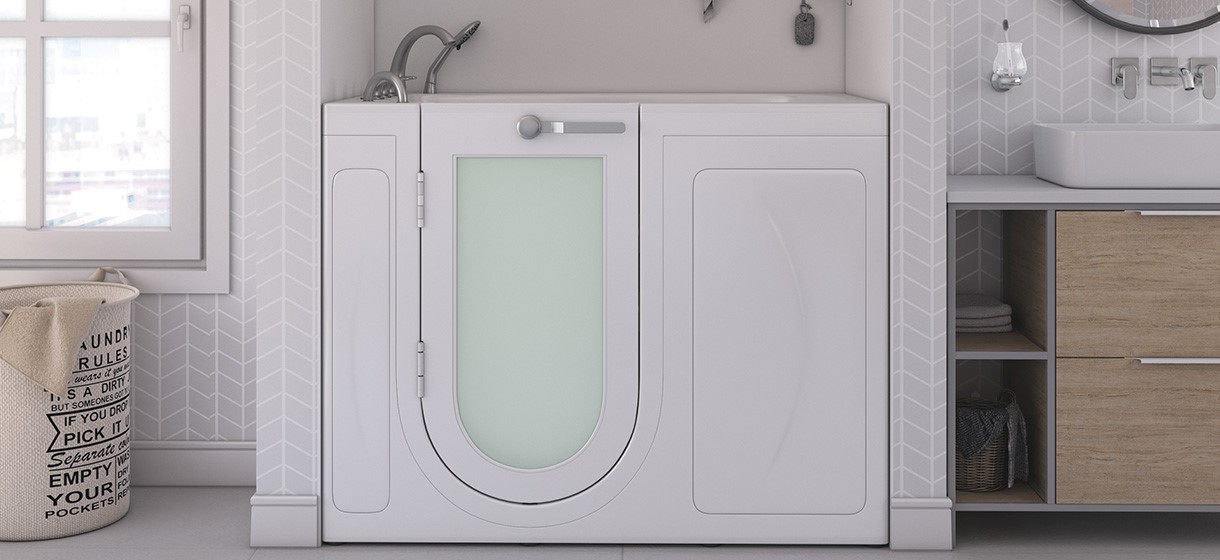
Comparing Steel and Aluminum: Which Frame Is Right for You?
Selecting the best frame material depends on your specific needs, bathroom layout, and budget. Here’s a side-by-side comparison to help clarify the differences between these walk-in tub frame construction types:
| Feature | Steel Frame | Aluminum Frame |
|---|---|---|
| Weight | Heavy | Light |
| Corrosion Resistance | Requires coating | Natural resistance |
| Strength | Very strong, rigid | Strong, more flexible |
| Maintenance | May need periodic checks | Low maintenance |
| Cost | Often less expensive | Can be higher |
| Installation | More effort required | Easier to handle |
If you’re seeking a tub for a ground-floor bathroom and want maximum strength, steel may be the better choice. For upper floors, or if you prioritize easy installation and rust resistance, aluminum is often preferred.
Additional Considerations for Walk-In Tub Frames
Beyond the core material, consider these factors when evaluating different frame options:
- Warranty: Check if the manufacturer offers a warranty that covers frame integrity, especially for steel models.
- Compatibility: Ensure the frame material supports any additional features you want, such as air or water jets. For more on this, see the guide on air jets vs water jets in walk-in tubs.
- Accessibility Needs: The frame should accommodate grab bars, seating, and other accessibility modifications.
- Environmental Conditions: In coastal or high-humidity areas, aluminum’s corrosion resistance may be a decisive advantage.
For seniors or those with mobility challenges, it’s also helpful to review walk-in tub options designed for seniors to ensure the frame and overall design meet your safety requirements.
Maintaining and Cleaning Your Walk-In Tub Frame
Proper care extends the lifespan of your walk-in tub, regardless of the frame material. Here are some maintenance tips:
- Regularly inspect for signs of rust (steel) or corrosion (aluminum), especially around joints and fasteners.
- Keep the area dry and well-ventilated to minimize moisture buildup.
- Use non-abrasive cleaners and avoid harsh chemicals that could damage protective coatings.
- For detailed cleaning advice, refer to the resource on how to sanitize a walk-in shower, as many of the same principles apply to tubs.
FAQ: Walk-In Tub Frame Materials and Selection
What are the main differences between steel and aluminum frames in walk-in tubs?
Steel frames are heavier and offer greater rigidity, making them suitable for larger tubs and high-traffic use. Aluminum frames are lighter, naturally resistant to corrosion, and easier to install, especially in upper-floor bathrooms.
How does frame material affect the lifespan of a walk-in tub?
Both steel and aluminum frames are built for longevity, but aluminum generally requires less maintenance due to its rust resistance. Steel frames can last just as long if properly coated and maintained in dry environments.
Is one frame type safer than the other?
Both materials meet safety standards when properly constructed. The key is to ensure the frame is compatible with safety features like grab bars and non-slip surfaces, and that it’s installed correctly according to manufacturer guidelines.
Does the choice of frame material impact the cost of a walk-in tub?
Yes, aluminum frames can increase the overall cost due to material and manufacturing expenses, but they may save on installation labor. Steel frames are often less expensive upfront but may require more maintenance over time.
Can I retrofit an existing walk-in tub with a different frame type?
Retrofitting a tub with a new frame is generally not practical, as the frame is integral to the tub’s structure. It’s best to choose the right material at the time of purchase.
By understanding the strengths and limitations of each walk-in tub frame construction type, you can confidently select a bathing solution that meets your needs for safety, comfort, and long-term value.