
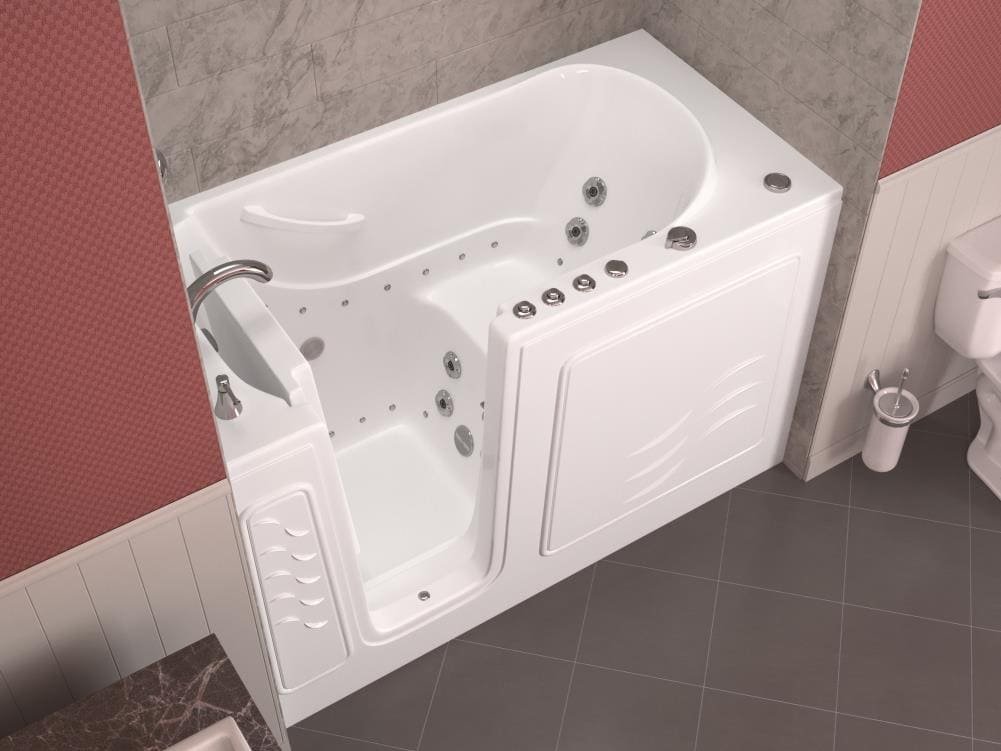
Finding the best water temperature for walk-in tubs is essential for ensuring both safety and comfort, especially for seniors and individuals with mobility challenges. Walk-in tubs are designed to provide a relaxing and accessible bathing experience, but the right temperature can make all the difference between a soothing soak and a potential hazard. This article explores the optimal temperature range, safety guidelines, and practical tips for maintaining a secure and enjoyable bath.
Understanding the ideal temperature settings not only enhances comfort but also helps prevent burns, slips, or other accidents. Whether you are a caregiver, a homeowner, or someone considering a walk-in tub, it’s important to know how to balance warmth with safety. For those interested in the technical aspects of walk-in tubs, you may also want to learn about walk-in tub frame construction types and how they contribute to overall durability and user experience.
Why Water Temperature Matters in Walk-In Tubs
Choosing the right water temperature is more than a matter of preference. For people with sensitive skin, reduced mobility, or certain health conditions, the temperature of bathwater can directly impact safety and well-being. Excessively hot water increases the risk of burns, while water that is too cool may not provide the therapeutic benefits many seek from a walk-in tub.
Walk-in tubs are often used by seniors, those recovering from surgery, or individuals with chronic pain. For these groups, maintaining a consistent and safe temperature is crucial. Many modern walk-in tubs come with thermostatic controls, but understanding the recommended guidelines is still necessary to avoid accidents.
Recommended Temperature Range for Safety and Comfort
The generally accepted best water temperature for walk-in tubs falls between 98°F and 104°F (37°C to 40°C). This range is warm enough to be soothing and relaxing, yet not so hot as to pose a risk of scalding. For most adults, 100°F to 102°F is comfortable for a prolonged soak.
- 98°F (37°C): Close to average skin temperature, gentle and safe for sensitive users.
- 100°F–102°F (38–39°C): Ideal for most adults, providing warmth without discomfort.
- 104°F (40°C): Maximum recommended for healthy adults, but not advised for children, elderly, or those with certain medical conditions.
Temperatures above 104°F can quickly become dangerous, especially for those with reduced sensation or circulation issues. Many walk-in tubs are equipped with anti-scald technology to prevent water from exceeding safe limits.
Factors That Influence Ideal Bathwater Temperature
Several factors can affect what temperature is safest and most comfortable for each individual. Consider the following:
- Age: Seniors and children have thinner skin and are more susceptible to burns. Lower temperatures are recommended for these groups.
- Health Conditions: People with diabetes, neuropathy, or cardiovascular issues may have reduced sensitivity to heat and should use extra caution.
- Duration of Bath: Longer soaks can increase the risk of overheating, even at moderate temperatures.
- Personal Preference: Some people prefer cooler or warmer baths, but safety should always come first.
Always test the water before entering the tub, and adjust as needed. If you are a caregiver, double-check the temperature for the person you are assisting.
How to Set and Monitor Water Temperature
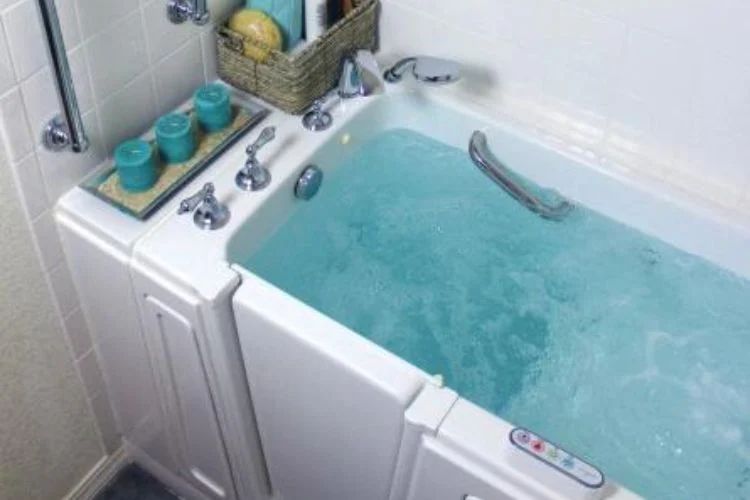
Modern walk-in tubs often feature thermostatic mixing valves, which blend hot and cold water to maintain a preset temperature. Some models include digital displays or color indicators for added convenience. If your tub does not have these features, use a bath thermometer to check the water before entering.
- Start by running cold water, then gradually add hot until the desired temperature is reached.
- Stir the water to ensure even distribution.
- Test with a bath thermometer or your elbow/wrist, which are more sensitive than your hands.
- For shared households, post a reminder near the tub about the recommended temperature range.
Regularly check your water heater settings as well. Setting your home’s water heater to 120°F (49°C) or lower can help prevent accidental scalding throughout the house.
Safety Tips for Bathing in Walk-In Tubs
While the right water temperature is a key safety factor, there are additional steps you can take to make bathing safer:
- Install grab bars and non-slip mats to reduce the risk of falls. For more information on support features, see our article on walk-in shower grab bar weight ratings.
- Never leave children or vulnerable adults unattended in the tub.
- Limit bath time to 15–20 minutes to avoid overheating or dehydration.
- Keep a phone or emergency alert device nearby in case assistance is needed.
- Check for signs of overheating, such as dizziness, flushed skin, or rapid heartbeat, and exit the tub immediately if they occur.

Additional Considerations for Walk-In Tub Users
Beyond temperature, several other features can enhance the bathing experience and safety in walk-in tubs:
- Anti-scald valves: These devices automatically shut off or adjust water flow if the temperature exceeds safe levels.
- Quick-drain systems: Allow for faster exit after bathing, reducing time spent in warm water.
- Built-in seating: Keeps users elevated and away from direct hot water exposure.
- Handheld showerheads: Offer more control over water direction and temperature.
For those interested in long-term reliability, it’s wise to review understanding walk-in tub warranty terms before making a purchase. This ensures you’re covered if any safety or temperature control features require repair.
Therapeutic Benefits of the Right Water Temperature
Bathing at the proper temperature can provide several health benefits, especially for those with arthritis, muscle pain, or circulation issues. Warm water helps relax muscles, improve blood flow, and reduce joint stiffness. However, these benefits are only realized when the water is within a safe range.
Hydrotherapy features, such as air jets and whirlpool systems, are most effective when paired with water temperatures that are comfortable and non-irritating. Always consult with a healthcare provider if you have medical conditions that may affect your heat tolerance.
Common Mistakes to Avoid
Even with the best intentions, some common errors can compromise safety and comfort in walk-in tubs:
- Setting the water heater too high, increasing the risk of scalds.
- Not stirring the water, leading to hot or cold spots.
- Ignoring manufacturer guidelines for temperature limits.
- Failing to supervise vulnerable users.
Staying informed and vigilant is the best way to ensure a safe and pleasant bathing experience.
Helpful Resources and Further Reading
For more information on accessible bathing solutions, you may find this guide on aging in place and walk-in showers helpful. Additionally, exploring walk-in tub safety certification checklists can provide peace of mind when selecting a new tub for your home.
Frequently Asked Questions
What is the safest water temperature for seniors using a walk-in tub?
The safest temperature for seniors is typically between 98°F and 100°F. This range minimizes the risk of burns while still providing a comfortable and relaxing bath. Always test the water before entering and consider using a thermometer for accuracy.
Can I set my water heater higher for a hotter bath?
It is not recommended to set your water heater above 120°F (49°C). Higher settings increase the risk of accidental scalding, especially in households with children or elderly individuals. Most walk-in tubs are designed to work best with water heaters set at or below this temperature.
How can I ensure the water stays at a safe temperature during my bath?
Use a walk-in tub with a thermostatic mixing valve or anti-scald device to maintain a consistent temperature. If your tub does not have these features, monitor the water with a bath thermometer and avoid adding hot water while bathing. Stir the water to ensure even heat distribution.