
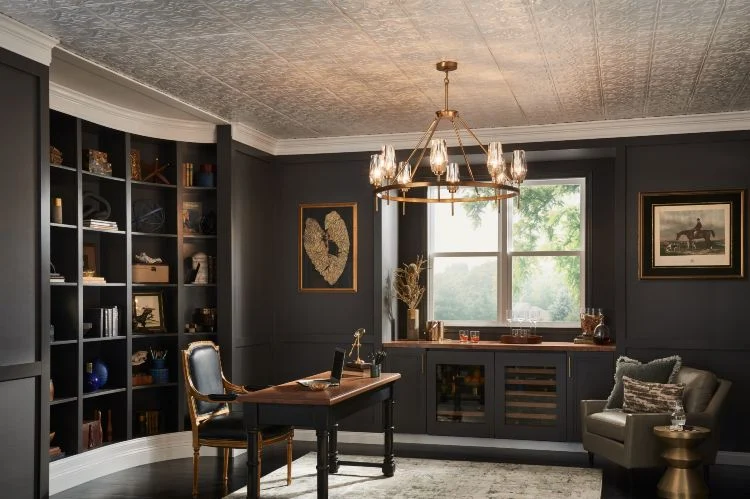
Proper lighting is essential for creating a safe and comfortable living environment, especially for individuals with visual impairments or those who are aging in place. Thoughtful illumination not only enhances visibility but also helps prevent accidents, supports daily activities, and improves overall quality of life. Whether you’re updating your home for yourself or a loved one, understanding the principles of lighting for vision support can make a significant difference in both safety and comfort.
Many homeowners overlook the importance of tailored lighting solutions, focusing instead on aesthetics or energy efficiency alone. However, strategic choices in fixtures, bulb types, and placement can dramatically reduce eye strain, minimize shadows, and make navigation easier throughout the home. If you’re also interested in optimizing other aspects of home safety, you might find our guide on how to check walk-in tub electrical grounding helpful for ensuring a secure bathroom environment.
Why Home Lighting Matters for Visual Accessibility
Lighting plays a crucial role in supporting those with low vision or age-related eyesight changes. As we age, our eyes require more light to see clearly, and sensitivity to glare often increases. Inadequate or poorly placed lighting can lead to falls, difficulty reading, and challenges with daily tasks such as cooking or grooming. By focusing on lighting for vision support, you can create an environment that is both functional and inviting.
Key benefits of optimized lighting include:
- Reduced risk of trips and falls by illuminating pathways and stairs
- Improved task performance in areas like kitchens, bathrooms, and workspaces
- Enhanced comfort by minimizing glare and harsh shadows
- Greater independence for those with visual impairments
Types of Lighting for Enhanced Vision and Safety
To achieve the best results, it’s important to combine different types of lighting throughout the home. Each serves a unique purpose and contributes to a well-balanced environment.
- Ambient lighting: Provides overall illumination for a room. Examples include ceiling fixtures and recessed lights.
- Task lighting: Focuses light on specific areas for activities like reading, cooking, or grooming. Desk lamps, under-cabinet lights, and vanity lights are common options.
- Accent lighting: Highlights architectural features or artwork. While not essential for safety, it can help with orientation and add visual interest.
- Night lighting: Offers low-level illumination in hallways, bathrooms, and bedrooms to prevent accidents during nighttime movement.
Layering these types of lighting allows you to adjust brightness levels as needed and reduce eye fatigue.
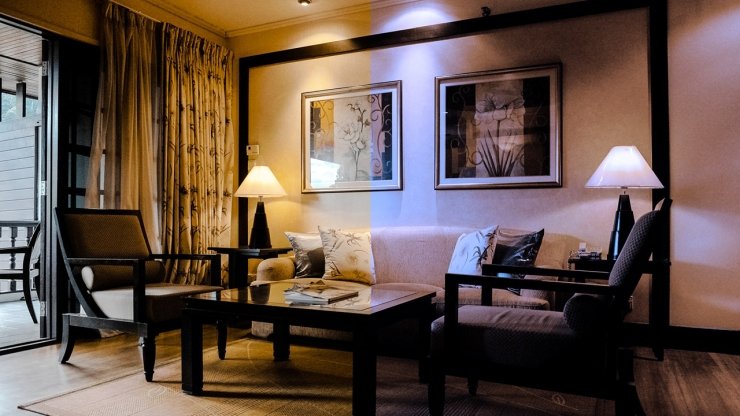
Choosing the Right Bulbs and Fixtures
Not all light bulbs are created equal, especially when it comes to lighting for vision support. Here are some important factors to consider:
- Brightness (Lumens): Higher lumens mean brighter light. For general living spaces, aim for bulbs with at least 800 lumens. Task areas may require even more.
- Color Temperature: Bulbs are available in warm (2700K–3000K), neutral (3500K–4100K), and cool (5000K–6500K) tones. Cooler temperatures tend to enhance contrast, which can help with reading and detail work, while warmer tones are more relaxing for living spaces.
- Glare Reduction: Choose fixtures with diffusers or frosted covers to soften light and avoid harsh reflections, which can be uncomfortable for sensitive eyes.
- Energy Efficiency: LED bulbs are recommended for their long life, low heat output, and energy savings. Many are also dimmable, allowing for greater control.
When selecting fixtures, look for adjustable options that can be aimed where needed, especially in work areas or for reading. Wall-mounted lights, under-cabinet strips, and flexible gooseneck lamps are all excellent choices.
Room-by-Room Lighting Strategies
Each area of the home presents unique challenges and opportunities for improving visibility and safety. Here’s how to approach lighting for vision support in key spaces:
Entryways and Hallways
These high-traffic zones benefit from bright, even illumination. Install ceiling fixtures or wall sconces at regular intervals to eliminate dark spots. Motion sensor night lights can provide guidance after dark without needing to fumble for switches.
Kitchens
Cooking and food preparation require clear, shadow-free lighting. Combine overhead fixtures with under-cabinet task lights to brighten countertops and work surfaces. Choose bulbs with a cooler color temperature for better color discrimination.
Bathrooms
Good lighting is vital for grooming and navigation, especially near mirrors and showers. Place fixtures on either side of the mirror to minimize shadows. Consider adding night lights to help with late-night trips and reduce the risk of slips.
Living Rooms and Bedrooms
Layer ambient and task lighting to accommodate reading, hobbies, and relaxation. Floor lamps, table lamps, and wall-mounted fixtures can all contribute to a flexible lighting scheme. Dimmable bulbs allow you to adjust brightness to suit different activities and times of day.
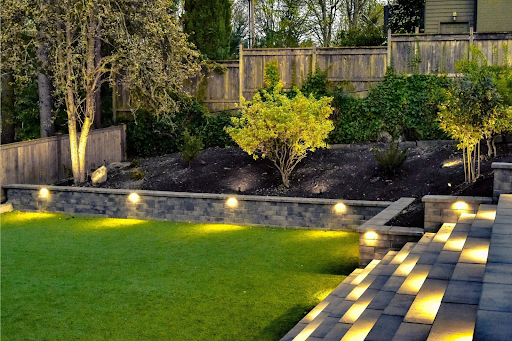
Outdoor Lighting for Safer Navigation
Exterior spaces are often overlooked but are just as important for safety. Well-lit pathways, steps, and entrances help prevent falls and make it easier to identify visitors or obstacles. Use weather-resistant LED fixtures, and consider motion-activated lights for added convenience and energy savings. Solar-powered options are also available for areas without easy access to electrical wiring.
Tips for Reducing Glare and Enhancing Contrast
Glare can be particularly troublesome for those with visual impairments. To minimize discomfort and maximize clarity:
- Opt for matte finishes on walls and floors to reduce reflected light
- Use lampshades or diffusers to soften direct beams
- Arrange furniture to avoid facing windows or bright lights directly
- Increase contrast by using light-colored walls with dark furniture or vice versa
These small adjustments can make a big difference in everyday comfort and usability.
Maintaining and Upgrading Your Lighting
Regular maintenance ensures that your lighting system continues to support safety and vision needs. Replace burned-out bulbs promptly, clean fixtures to maintain brightness, and periodically review your setup as needs change. Upgrading to smart lighting systems or adding dimmer switches can further enhance flexibility and convenience.
For those interested in other home safety upgrades, you may want to read about the walk-in tub suction safety features that help prevent bathroom accidents.
Frequently Asked Questions
What type of lighting is best for people with low vision?
People with low vision often benefit from a combination of ambient and task lighting. Bright, glare-free LED bulbs with adjustable color temperatures can help enhance contrast and reduce eye strain. Task lights placed near reading or work areas are especially helpful.
How can I make my home safer for someone with declining eyesight?
Start by increasing overall brightness, reducing glare, and ensuring that pathways and stairs are well-lit. Use night lights in hallways and bathrooms, and choose fixtures that minimize shadows. Regularly check that all bulbs are working and consider motion sensor lights for added convenience.
Are LED lights suitable for vision support?
Yes, LED lights are highly recommended for lighting for vision support. They offer bright, consistent illumination, are energy-efficient, and are available in a range of color temperatures. Many LED fixtures are also dimmable, allowing for customized lighting levels throughout the home.