
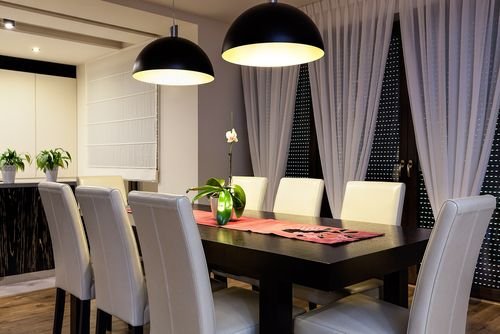
Proper illumination is a key factor in supporting safe movement and independence for older adults at home. As people age, changes in vision and mobility can make navigating familiar spaces more challenging, especially in low-light conditions. Thoughtful lighting design not only helps prevent falls and injuries but also fosters a sense of security and self-assurance.
In this guide, we’ll explore how the right lighting choices can enhance mobility, boost confidence, and create a safer living environment for seniors. We’ll cover essential strategies, product recommendations, and practical tips to help you make informed decisions for yourself or your loved ones.
For those interested in additional home safety measures, understanding walk-in shower grab bar weight ratings can further support independent living.
Why Lighting Matters for Senior Safety
As vision declines with age, the ability to detect obstacles and changes in floor level diminishes. Insufficient or poorly placed lights can increase the risk of trips and falls, which are a leading cause of injury among older adults. Good illumination helps seniors:
- Identify hazards such as steps, rugs, or furniture legs
- Navigate hallways and rooms with confidence
- Perform daily tasks like reading, cooking, and grooming more easily
- Reduce anxiety about moving around at night or in unfamiliar areas
Investing in lighting for elderly mobility is a proactive step toward maintaining independence and quality of life.
Key Lighting Strategies for Enhanced Mobility
Effective lighting for seniors involves more than just adding brighter bulbs. It requires a thoughtful approach that addresses specific needs and common problem areas in the home.
Layered Lighting for Versatility
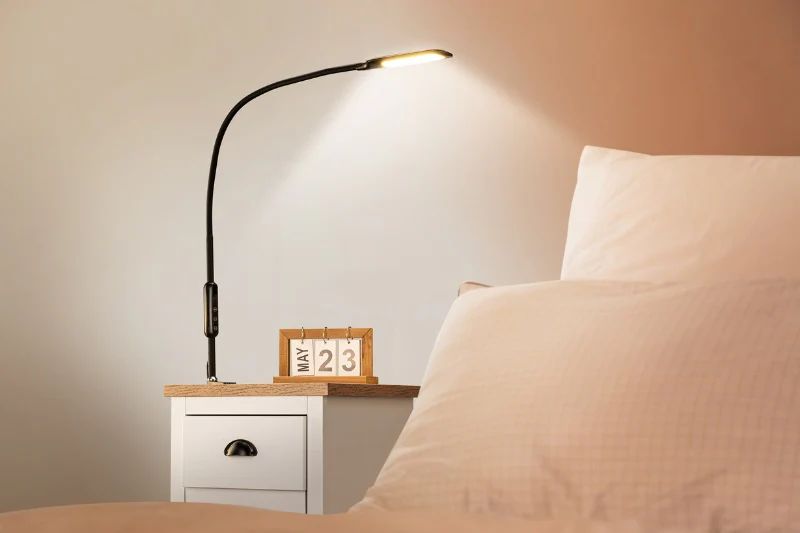
Combining different types of light sources—ambient, task, and accent—ensures that spaces are well-lit for various activities and times of day. For example, overhead fixtures provide general illumination, while table lamps or under-cabinet lights offer focused brightness for reading or meal prep.
Motion-Activated and Night Lighting Solutions
Nighttime trips to the bathroom or kitchen are common, and darkness increases the risk of accidents. Installing motion sensor night lights in hallways, bedrooms, and bathrooms provides automatic, low-glare illumination exactly when it’s needed. These lights turn on as someone approaches and turn off after a set period, saving energy and reducing the need to fumble for switches.
Reducing Glare and Shadows
Glare can make it difficult for seniors to see clearly, while deep shadows may hide obstacles. Choose fixtures with diffusers or frosted covers, and position lights to minimize harsh contrasts. Indirect lighting, such as wall sconces or cove lights, can help create a more even distribution of brightness.
Room-by-Room Lighting Tips for Senior-Friendly Homes
Each area of the home presents unique challenges and opportunities for improvement. Here’s how to optimize lighting for mobility and safety in key spaces:
Entrances and Hallways
- Use bright, evenly spaced ceiling lights to eliminate dark spots.
- Install motion-activated fixtures near entryways for hands-free operation.
- Highlight steps or changes in floor level with LED strip lights or step lights.
Living and Dining Areas
- Layer ambient lighting with adjustable table or floor lamps for reading and hobbies.
- Ensure switches are easy to reach from doorways and seating areas.
- Consider dimmable fixtures to adjust brightness for different activities.
Kitchens and Bathrooms
- Install bright, shadow-free ceiling lights and under-cabinet lighting for food prep.
- Use waterproof, non-slip switches and fixtures in wet areas.
- Place night lights near the toilet and sink for safe nighttime navigation.
Bedrooms
- Choose bedside lamps with large, easy-to-use switches or touch controls.
- Place motion-activated lights along the path to the bathroom.
- Keep a flashlight or emergency light within reach of the bed.
Choosing the Right Products for Elderly-Friendly Lighting
When selecting lighting solutions, consider the following features to maximize safety and convenience:
- Brightness: Look for bulbs that provide at least 800 lumens in main living areas.
- Color Temperature: Warm white (2700K–3000K) is gentle on aging eyes and creates a welcoming atmosphere.
- Energy Efficiency: LED bulbs last longer and use less energy than traditional options.
- Ease of Use: Large rocker switches, remote controls, and smart lighting systems can simplify operation.
- Reliability: Choose products from reputable brands with good reviews and warranties.
Additional Tips for a Safer Home Environment
- Regularly check and replace burnt-out bulbs.
- Keep pathways clear of clutter and cords.
- Use contrasting colors for walls, floors, and furniture to aid depth perception.
- Consider consulting an occupational therapist for personalized recommendations.
For those considering other home modifications, learning about walk-in tub frame construction types can further enhance bathroom safety and accessibility.
Frequently Asked Questions
What type of lighting is best for seniors with limited mobility?
Layered lighting that combines ambient, task, and accent sources is most effective. Motion-activated night lights and LED fixtures with diffusers help reduce glare and shadows, making navigation easier and safer.
How can I make my parent’s home safer at night?
Install motion sensor lights in hallways, bathrooms, and bedrooms. Place night lights near the bed and along common pathways. Ensure switches are accessible and consider using smart lighting for remote control.
Are LED lights suitable for older adults?
Yes, LED lights are energy-efficient, long-lasting, and available in a range of brightness and color temperatures. Warm white LEDs are especially comfortable for aging eyes and can improve visibility without causing harsh glare.