
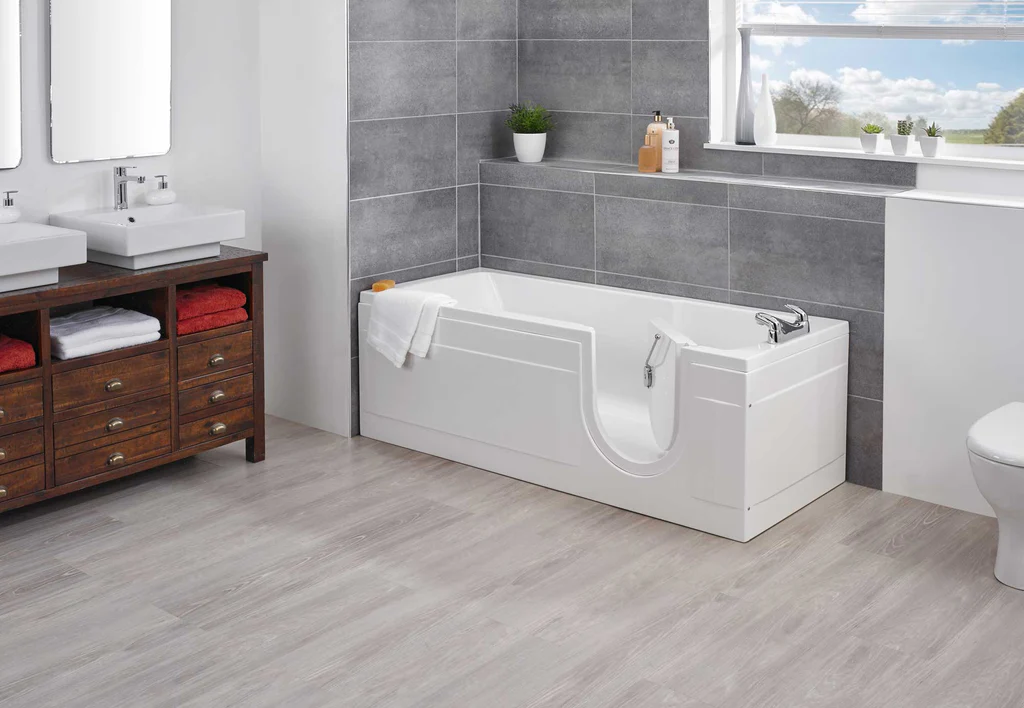
For anyone considering a walk-in bathtub, one of the most important features to understand is how quickly the tub can drain after use. Traditional tubs can take several minutes to empty, leaving users waiting inside until the water level drops below the door. Modern walk-in tubs address this issue with advanced fast drain systems, which significantly reduce wait times and improve safety and comfort. This article provides a clear overview of how these rapid-drain systems function, their benefits, and what to look for when comparing options.
Whether you’re planning to upgrade your bathroom for accessibility or simply want a safer bathing experience, knowing how fast drain technology works can help you make an informed decision. For those interested in related safety features, you may also want to review walk-in shower grab bar weight ratings to ensure your entire bathing area is secure and supportive.
Understanding Rapid Drain Systems in Walk-In Bathtubs
Walk-in tubs are designed with a watertight door, allowing users to enter and exit safely. However, this design means the door cannot be opened until the water has drained to a safe level. Fast drain technology addresses this challenge by using specialized plumbing and valves to quickly remove water from the tub, minimizing wait times and enhancing user comfort.
Unlike standard drains, which typically rely on gravity and a single small outlet, these advanced systems use larger drain openings, dual drain assemblies, and improved piping to accelerate water flow. Some models even incorporate pressure-assisted draining mechanisms or pump-assisted systems for even faster results.
Key Components of Fast Drain Technology
To understand how these systems work, it’s helpful to break down the main components involved:
- Oversized Drain Outlets: Many walk-in tubs with rapid-drain features use larger-than-standard drain holes, sometimes up to two inches in diameter, compared to the typical 1.5-inch drain found in regular bathtubs.
- Dual Drain Assemblies: Some models feature two separate drains that operate simultaneously, doubling the rate at which water exits the tub.
- High-Flow Drain Valves: These valves are engineered to open wider and allow water to flow out more quickly, reducing bottlenecks.
- Improved Plumbing: The pipes connected to the drain are often larger and more direct, minimizing resistance and maximizing drainage speed.
- Pump-Assisted Draining (Optional): In rare cases, a pump may be used to actively pull water from the tub, though most systems rely on gravity and plumbing design.
By combining these elements, modern walk-in tubs can often drain in 60–120 seconds, compared to 6–10 minutes for older or standard models.
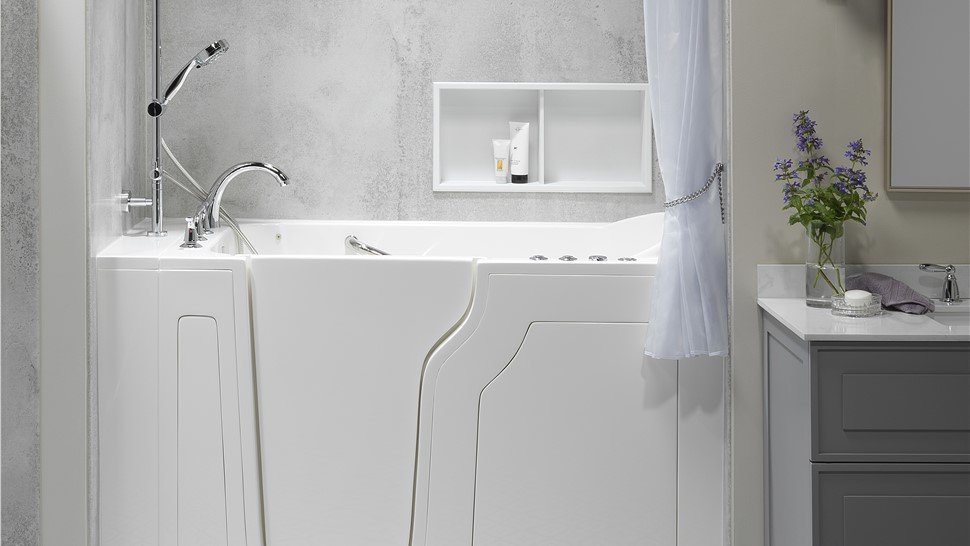
Benefits of Quick-Draining Walk-In Tubs
Choosing a walk-in bathtub with a rapid-drain system offers several important advantages:
- Reduced Wait Time: Users spend less time sitting in cooling water, improving comfort and convenience.
- Increased Safety: Faster drainage means less risk of slipping or getting chilled while waiting for the tub to empty before opening the door.
- Enhanced Accessibility: For those with mobility challenges, minimizing the time spent in the tub makes the bathing process easier and more dignified.
- Energy Efficiency: Less time spent in the tub can mean less need to reheat water or use additional energy for comfort.
When reviewing walk-in tub options, it’s also helpful to consider related features, such as walk-in tub frame construction types and walk-in tub faucet types and flow rates, as these can impact both the filling and draining performance of your tub.
How Fast Drain Systems Work: Step-by-Step
The process of draining a walk-in tub equipped with rapid-drain technology typically follows these steps:
- After bathing, the user closes the drain lever or button, activating the high-flow valve(s).
- Water exits through one or more oversized drain outlets, flowing rapidly into the home’s plumbing system.
- Dual drains, if present, operate simultaneously to further speed up the process.
- In some models, a pump may assist in removing water, though most rely on gravity and pipe design.
- Once the water level drops below the door threshold, the user can safely open the door and exit.
Most manufacturers design these systems to work with standard residential plumbing, but it’s always recommended to verify compatibility during installation.
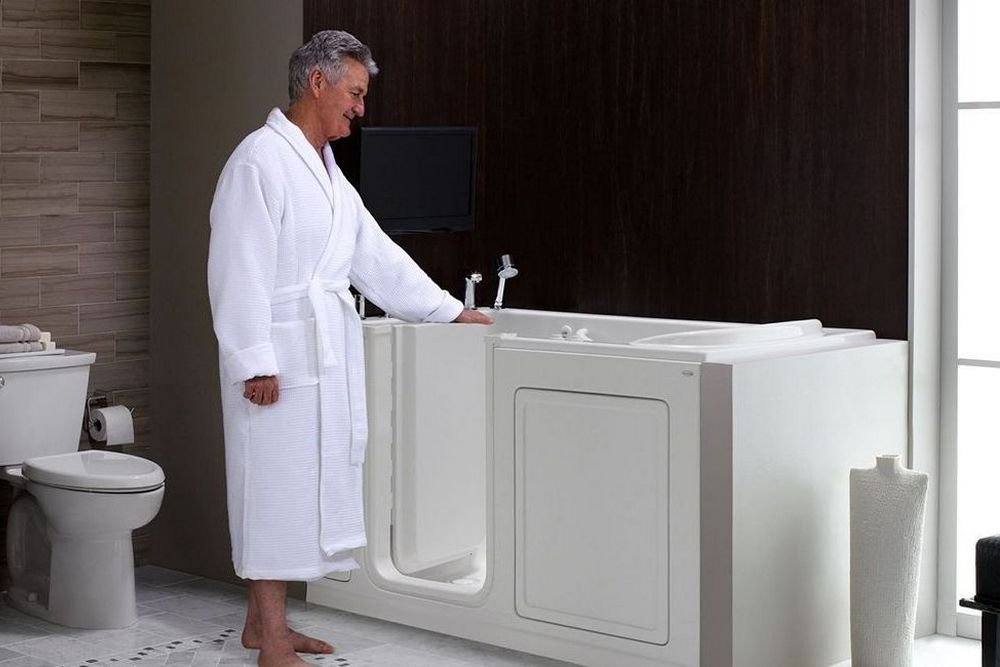
Factors That Affect Draining Speed
While fast drain technology is highly effective, several factors can influence actual drainage times:
- Home Plumbing System: The size and age of your home’s drain pipes can impact how quickly water is removed from the tub.
- Water Pressure: While draining is mostly gravity-driven, water pressure can affect how quickly the tub fills, which is also important for overall bathing efficiency.
- Installation Quality: Proper installation ensures that all components function as intended and that there are no bottlenecks or leaks.
- Maintenance: Regular cleaning and inspection of the drain and valves help maintain optimal performance.
For those considering a purchase, reviewing understanding walk-in tub warranty terms is also recommended, as warranty coverage can vary for fast drain components.
Comparing Fast Drain Features Across Brands
Not all walk-in tubs offer the same level of rapid-drain performance. When comparing models, look for:
- The number and size of drain outlets
- Whether the system is gravity-only or pump-assisted
- The average published drain time (usually listed in seconds or minutes)
- Compatibility with your home’s plumbing
- Warranty coverage for drain components
Some brands may offer additional features, such as self-cleaning drains or antimicrobial coatings, which can further enhance convenience and hygiene.
For a broader look at accessible bathing solutions, you may find it useful to read about aging-in-place walk-in showers and how they compare to walk-in tubs in terms of safety and ease of use.
Installation and Maintenance Tips
Proper installation is crucial for ensuring that your fast drain system works as intended. Here are some best practices:
- Work with a licensed plumber who has experience installing walk-in tubs.
- Verify that your home’s drain pipes are large enough to handle increased water flow.
- Test the drain system after installation to confirm it empties within the expected timeframe.
- Perform regular maintenance, such as cleaning the drain covers and checking for debris or buildup.
Addressing these points during installation and ongoing use will help you get the most out of your investment and maintain reliable performance for years to come.
Frequently Asked Questions
How fast can a walk-in tub with rapid-drain technology empty?
Most modern walk-in tubs equipped with fast drain systems can empty in about 60 to 120 seconds, depending on the model, the size of the drain outlets, and your home’s plumbing. This is significantly faster than traditional tubs, which may take 6–10 minutes to drain.
Do I need to upgrade my home’s plumbing for a fast drain walk-in tub?
In most cases, standard residential plumbing is sufficient, but older homes with smaller drain pipes may experience slower drainage. It’s a good idea to have a professional plumber assess your setup before installation to ensure optimal performance.
Are there any maintenance requirements for fast drain systems?
Yes, regular cleaning of the drain covers and periodic inspection for debris or buildup is recommended. Keeping the drain area clear will help maintain quick drainage and prevent clogs.
Conclusion
Fast drain technology in walk-in bathtubs is a key innovation that enhances safety, comfort, and convenience for users. By understanding how these systems work and what to look for when comparing models, you can choose a tub that meets your needs and fits your home. Remember to consider related features, installation requirements, and warranty terms to ensure a smooth and satisfying experience with your new accessible bathtub.