
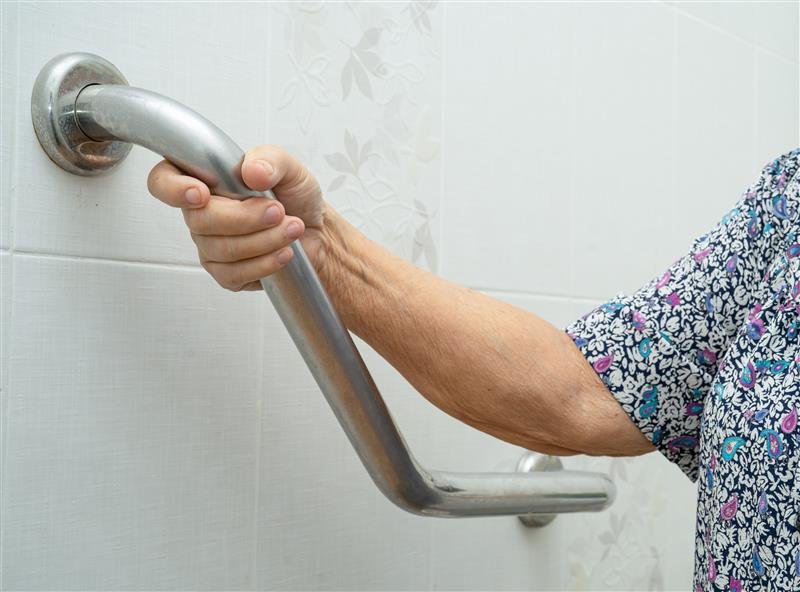
For many older adults, the bathroom can be one of the most hazardous areas in the home. Slippery surfaces, limited mobility, and reduced balance can all contribute to a higher risk of falls and injuries. Prioritizing bathroom safety for older adults is crucial for maintaining independence and peace of mind, both for seniors and their families.
Simple changes and the right equipment can transform a bathroom into a much safer environment. From grab bars to non-slip flooring, there are practical solutions that address the unique needs of aging individuals. This article explores proven strategies, essential products, and expert tips to help create a secure and accessible bathroom space.
For those planning a home update, the aging in place home improvement checklist offers a comprehensive overview of modifications that support safe and comfortable living as needs change.
Understanding the Risks: Why Bathroom Safety Matters
Bathrooms present a unique set of challenges for seniors. Wet floors, tight spaces, and hard surfaces make slips and falls more likely. According to health experts, a significant percentage of injuries among older adults occur in the bathroom, often leading to hospital visits or loss of independence.
Common risk factors include:
- Slippery tiles and wet surfaces
- Low toilet seats and high bathtub walls
- Lack of sturdy support for balance
- Poor lighting and limited visibility
- Difficulty reaching or operating faucets and controls
Addressing these hazards is the first step toward a safer, more accessible bathroom environment.
Key Modifications for a Safer Bathroom
Enhancing bathroom safety for older adults often starts with targeted upgrades. Some of the most effective improvements include:
- Grab Bars: Installing grab bars near the toilet, shower, and bathtub provides essential support for standing and sitting.
- Non-Slip Mats: Placing non-slip mats inside and outside the shower or tub helps prevent accidental falls.
- Raised Toilet Seats: Higher seats make it easier to sit down and stand up, reducing strain on joints.
- Walk-In Showers: Replacing a traditional bathtub with a walk-in shower eliminates the need to step over high edges.
- Handheld Showerheads: Adjustable showerheads allow for seated bathing and easier rinsing.
- Improved Lighting: Bright, glare-free lighting ensures better visibility at all times of day.
For more inspiration on practical upgrades, see the guide on bathroom accessibility upgrades that make a difference.
Grab Bars and Support Rails: A Must-Have for Seniors
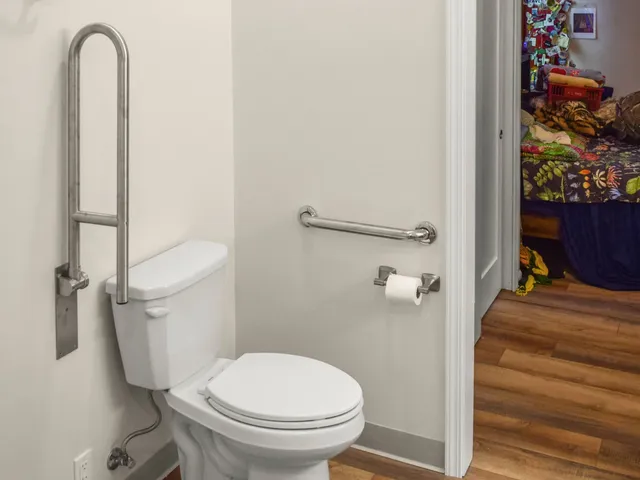
One of the most effective ways to boost bathroom safety for older adults is by installing sturdy grab bars and support rails. These fixtures offer reliable handholds for getting in and out of the shower, standing from the toilet, or steadying oneself on slippery floors.
Grab bars should be securely anchored to wall studs and positioned at heights that are comfortable for the user. Consider both vertical and horizontal placements near key areas. For a closer look at how these devices improve safety, learn more about the benefits of grab bars in assisted living.
Toilet safety rails are another valuable addition, providing extra support for those with limited strength or balance. These rails can be installed around the toilet or as freestanding units, making transfers safer and easier.
Additional Tips for Reducing Bathroom Hazards
Beyond major modifications, a few simple changes can further enhance safety:
- Keep pathways clear of clutter and loose rugs.
- Use a shower chair or bench for added stability while bathing.
- Install lever-style faucet handles for easier operation.
- Check water temperature settings to prevent burns.
- Store toiletries within easy reach to avoid stretching or bending.
Families living together across generations may also benefit from reviewing bathroom safety solutions for multigenerational homes to ensure everyone’s needs are met.
Lighting and Visibility: Often Overlooked, Always Important
Good lighting is essential for preventing accidents. Install bright, even lighting throughout the bathroom, especially near the shower, toilet, and sink. Nightlights or motion-activated lights can help seniors navigate safely during nighttime visits.
Consider using contrasting colors for grab bars, toilet seats, and flooring to make them easier to see. This is particularly helpful for those with vision changes or cognitive impairments.
Choosing the Right Products for Senior-Friendly Bathrooms
When selecting safety products, look for items designed specifically for older adults. Key features to consider include:
- Non-slip surfaces and textures
- Easy-to-grip handles and controls
- Adjustable heights and widths
- Durable, rust-resistant materials
- Clear installation instructions
Always follow manufacturer guidelines for installation and maintenance. If in doubt, consult a professional to ensure all equipment is securely fitted and safe for daily use.
For a full breakdown of recommended features, visit the resource on bathroom safety features every senior should consider.
Encouraging Independence While Staying Safe
Empowering seniors to maintain their independence is a key goal of any safety plan. By making thoughtful modifications and providing the right tools, older adults can continue to use their bathrooms with confidence and dignity.
Regularly review the space for new hazards as needs change. Encourage open communication between seniors, caregivers, and family members to address concerns promptly. For a deeper understanding of the factors that contribute to falls, see the article on understanding fall risks in older adults.
Frequently Asked Questions
What are the most important bathroom safety products for seniors?
The most essential items include grab bars, non-slip mats, raised toilet seats, and shower chairs. These products provide extra support and stability, helping to prevent falls and injuries.
How can I make a bathroom safer for someone with limited mobility?
Focus on reducing obstacles and providing sturdy support. Install grab bars and safety rails, use a walk-in shower or transfer bench, and ensure all toiletries are within easy reach. Good lighting and non-slip flooring are also critical.
Are grab bars difficult to install?
Many grab bars are designed for straightforward installation, but it’s important to anchor them securely to wall studs. If you’re unsure, consider hiring a professional to ensure proper placement and safety.
How often should bathroom safety features be checked or updated?
It’s a good idea to inspect safety equipment every few months for signs of wear or looseness. Update features as mobility or health needs change, and replace any damaged items promptly.
By taking proactive steps and choosing the right modifications, families can create a bathroom that supports both safety and independence for seniors. Prioritizing these changes is an investment in comfort, confidence, and long-term well-being.