
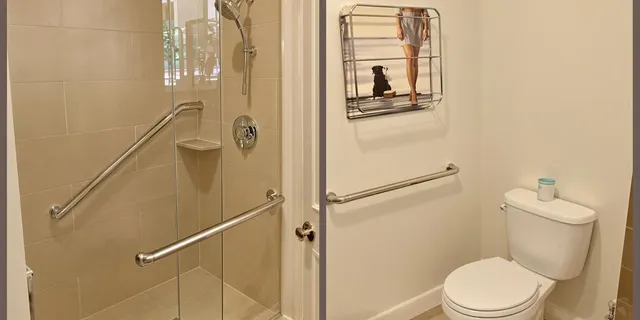
As people get older, changes in the body can make it harder to stay steady on their feet and move around safely. Understanding how aging affects balance and mobility is crucial for seniors, caregivers, and families who want to maintain independence and reduce the risk of falls. This article explores the physical and environmental factors that contribute to these changes, practical strategies for prevention, and home modifications that can make a real difference.
Many older adults notice that daily activities—like getting out of bed, walking across the room, or using the bathroom—require more effort and attention than before. These shifts aren’t just a normal part of growing older; they can signal underlying issues that, if left unaddressed, may lead to injuries or loss of independence. Taking proactive steps can help seniors stay active and safe at home.
For those looking to make their homes safer and more accessible, the aging in place home improvement checklist offers a comprehensive resource to guide modifications and upgrades.
Physical Changes That Impact Stability
Several age-related changes can affect a person’s ability to maintain balance and move confidently. These include:
- Muscle Weakness: Loss of muscle mass and strength, especially in the legs, reduces stability and makes it harder to recover from a stumble.
- Joint Stiffness: Conditions like arthritis can limit range of motion, making walking and standing more challenging.
- Slower Reflexes: Reaction times decrease with age, so it takes longer to catch oneself during a slip or trip.
- Vision and Hearing Changes: Diminished eyesight or hearing can make it difficult to detect hazards or changes in the environment.
- Inner Ear Issues: The vestibular system, which helps control balance, can deteriorate, leading to dizziness or unsteadiness.
These physical factors often combine, increasing the risk of falls and injuries. Recognizing these changes early allows for timely intervention.
Common Mobility Challenges for Older Adults
Mobility issues can show up in various ways, from difficulty rising from a chair to trouble navigating stairs or uneven surfaces. Some of the most frequent challenges include:
- Trouble walking long distances or standing for extended periods
- Difficulty stepping over thresholds or curbs
- Fear of falling, which can lead to reduced activity and further muscle loss
- Problems with coordination, such as shuffling feet or dragging one leg
These challenges can limit participation in social activities and daily routines, impacting both physical and mental well-being.
Environmental Factors and Home Safety
While physical changes play a significant role, the home environment can either support or hinder safe movement. Slippery floors, poor lighting, and cluttered walkways are common hazards. The bathroom, in particular, is a high-risk area for slips and falls.
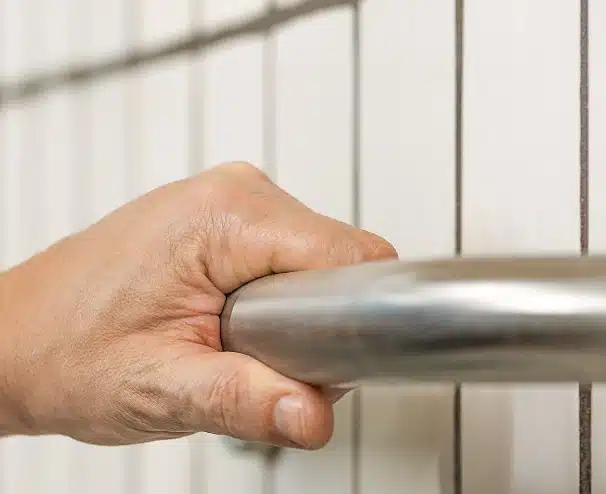
Installing sturdy supports, such as grab bars and toilet safety rails, can make a significant difference. For guidance on where to place these supports, check out these useful tips for installing grab bars in your home.
Strategies to Improve Balance and Prevent Falls
There are several evidence-based approaches to help older adults maintain mobility and reduce the risk of accidents:
- Exercise Regularly: Activities like walking, tai chi, and gentle strength training can boost muscle strength and coordination.
- Review Medications: Some prescriptions may cause dizziness or drowsiness. Regularly consult with a healthcare provider to check for side effects.
- Vision and Hearing Checks: Updating glasses or hearing aids can help seniors stay aware of their surroundings.
- Footwear Matters: Supportive, non-slip shoes provide better traction and stability.
- Remove Hazards: Keep floors clear, secure rugs, and improve lighting throughout the home.
For more targeted advice, the understanding fall risks in older adults resource offers detailed information on risk factors and prevention.
Bathroom Modifications for Safer Mobility
The bathroom is a common site for slips and falls due to wet surfaces and tight spaces. Making a few key changes can greatly enhance safety:
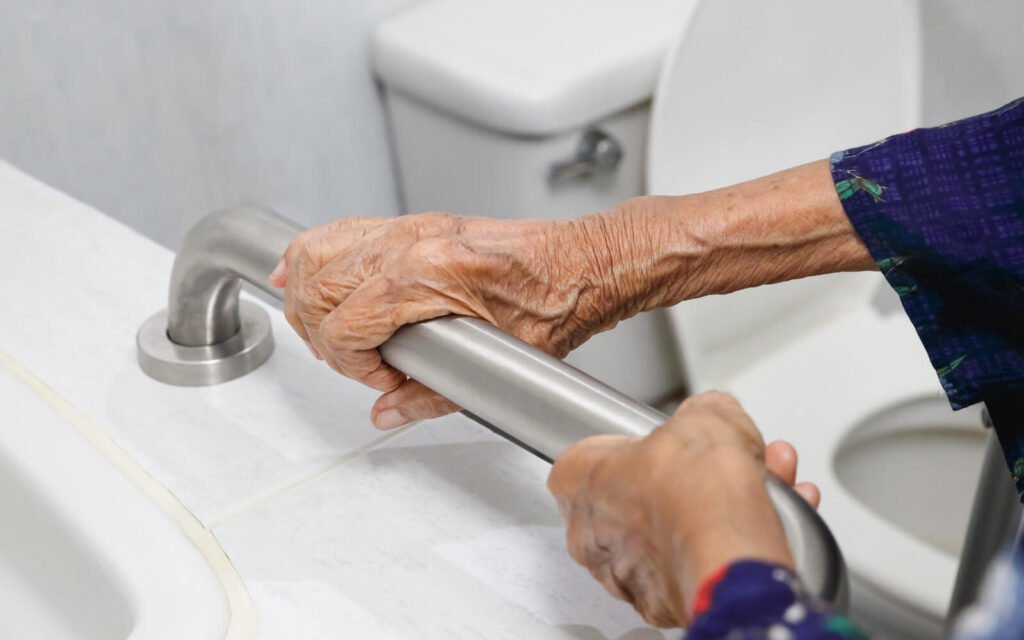
- Install grab bars near the toilet and in the shower or tub area
- Use non-slip mats inside and outside the bathtub
- Consider raised toilet seats or toilet safety rails for easier transfers
- Ensure adequate lighting, especially for nighttime bathroom visits
For a deeper look at accessible upgrades, see these resources on bathroom safety solutions for multigenerational homes and bathroom accessibility upgrades that make a difference.
When to Seek Professional Help
If an older adult is experiencing frequent falls, sudden changes in walking ability, or unexplained dizziness, it’s important to consult a healthcare provider. A physical therapist can assess gait and balance, recommend exercises, and suggest assistive devices. Occupational therapists can evaluate the home and recommend modifications for safer living.
For those considering more comprehensive changes, reviewing bathroom safety features every senior should consider can provide further guidance on products and design choices.
Maintaining Independence Through Proactive Steps
While some changes in balance and movement are inevitable with age, many risks can be minimized. Staying active, making the home safer, and seeking professional advice when needed all contribute to a higher quality of life. Families and caregivers play a vital role in supporting these efforts, ensuring that seniors can continue to enjoy their homes and communities safely.
Frequently Asked Questions
What causes balance problems in older adults?
Balance issues in seniors often result from a combination of muscle weakness, joint stiffness, vision or hearing loss, and changes in the inner ear. Medications and certain medical conditions can also contribute.
How can I make my bathroom safer for someone with mobility challenges?
Simple modifications like installing grab bars, using non-slip mats, and adding toilet safety rails can greatly reduce the risk of falls. For more ideas, explore resources on bathroom safety features every senior should consider.
Are there exercises that help improve balance?
Yes, activities such as tai chi, walking, and gentle strength training can enhance stability and coordination. A physical therapist can design a program tailored to individual needs and abilities.