
For older adults, the bathroom can present unique challenges. Slippery surfaces, awkward layouts, and limited mobility all contribute to a higher risk of falls and injuries. Incorporating bathroom safety features every senior should consider is essential for maintaining independence and peace of mind. This article explores practical solutions and essential upgrades that can help create a safer, more accessible environment for seniors and their loved ones.
Whether you are planning for your own future or helping a family member, understanding which modifications make the biggest impact is key. From grab bars to non-slip flooring, we’ll cover the most effective ways to reduce hazards and support safe daily routines. For a broader look at home modifications, the aging in place home improvement checklist offers additional guidance on making every room safer and more comfortable.
Why Prioritizing Bathroom Safety Is Crucial for Seniors
The bathroom is one of the most common places for slips and falls, especially among older adults. According to the CDC, falls are a leading cause of injury in seniors, and many of these accidents occur in the bathroom. Wet floors, sharp corners, and the need to move between sitting and standing all increase the risk. By integrating essential bathroom safety features, seniors can maintain their independence and reduce the likelihood of injuries.
Taking proactive steps to improve safety also supports aging in place, allowing individuals to remain in their homes longer. For more information on how bathroom upgrades can make a difference, see our resource on bathroom accessibility upgrades that make a difference.
Top Bathroom Modifications for Senior Safety
There are several effective ways to enhance safety and accessibility in the bathroom. Below are some of the most important upgrades to consider:
- Grab Bars: Securely installed grab bars provide support for sitting, standing, and moving around the bathroom. They are especially useful near the toilet and in the shower or bathtub.
- Non-Slip Flooring: Replacing or treating floors with non-slip materials can significantly reduce the risk of slipping on wet surfaces.
- Walk-In Showers and Bathtubs: Low-threshold or walk-in designs eliminate the need to step over high edges, making bathing safer and easier.
- Raised Toilet Seats and Safety Rails: Higher toilet seats and sturdy rails help with sitting and standing, reducing strain on joints and minimizing fall risk.
- Handheld Showerheads: Adjustable showerheads make bathing more convenient and allow for seated showers if needed.
- Good Lighting: Bright, glare-free lighting helps seniors see potential hazards and navigate the space safely.
Grab Bars: A Fundamental Safety Solution

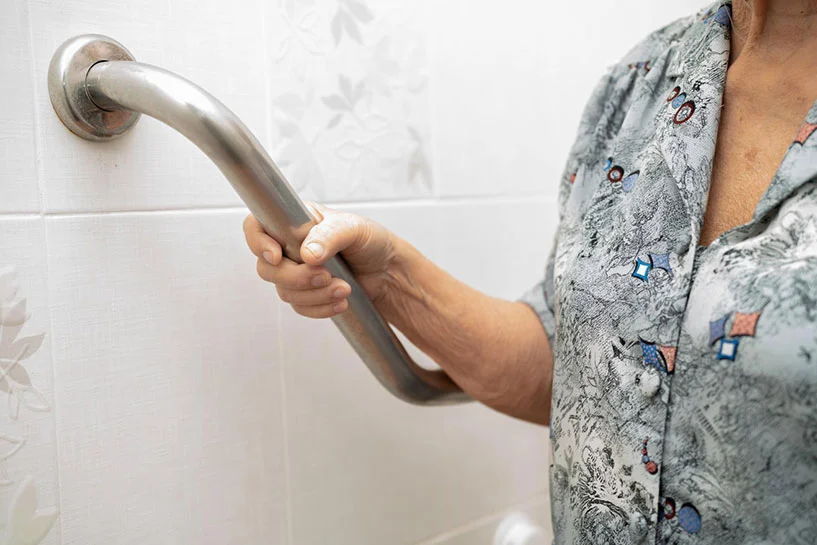
One of the most effective bathroom safety features for seniors is the installation of grab bars. These sturdy supports offer stability when entering or exiting the shower, getting up from the toilet, or moving around the bathroom. Grab bars should be installed at key locations, such as beside the toilet, inside the shower, and near the bathtub. For best results, choose bars with a non-slip surface and ensure they are anchored into wall studs or with appropriate hardware.
For a deeper look at how grab bars improve safety, the article how grab bars improve safety for seniors provides valuable insights and installation tips.
Non-Slip Surfaces and Flooring Upgrades
Slippery floors are a leading cause of falls in the bathroom. Upgrading to non-slip flooring or adding non-slip mats in wet areas can make a significant difference. Look for textured tiles, vinyl, or rubber flooring designed for wet environments. Non-slip strips or coatings can also be applied to existing surfaces for added grip.
Regularly check mats and rugs to ensure they have non-skid backings and lay flat on the floor. Avoid loose or curled edges that could become tripping hazards. These simple changes are among the most cost-effective safety improvements for seniors.
Accessible Showers and Bathtubs
Traditional bathtubs and showers often require stepping over high edges, which can be difficult for those with limited mobility. Walk-in showers or tubs with low thresholds make it easier and safer to enter and exit. Consider adding a built-in seat or a sturdy shower chair for those who need to sit while bathing. Handheld showerheads further enhance convenience and safety, allowing users to direct water flow as needed.
When planning these upgrades, consult with a professional to ensure proper installation and water drainage. For more on how these changes can support independence, see our senior independence and bathroom safety guide.
Supportive Toilet Modifications
Getting on and off the toilet can be challenging for those with limited strength or balance. Raised toilet seats reduce the distance needed to sit and stand, while safety rails provide sturdy handholds. These additions are easy to install and can make a significant difference in daily comfort and safety.
Choose rails that attach securely to the toilet or floor, and ensure they can support the user’s weight. Many models are adjustable, allowing for a customized fit. These senior-friendly bathroom features are especially important for those recovering from surgery or managing chronic conditions.
Lighting and Visibility Enhancements
Poor lighting can obscure hazards and make navigation difficult, especially at night. Install bright, even lighting throughout the bathroom, including over the shower, sink, and toilet. Motion-sensor night lights can help seniors find their way without fumbling for switches in the dark.
Consider using contrasting colors for fixtures and grab bars to make them easier to see. Well-lit spaces reduce the risk of accidents and help seniors feel more confident moving around.
Additional Tips for a Safer Bathroom Environment
- Keep frequently used items within easy reach to avoid stretching or bending.
- Remove clutter and unnecessary furniture from the bathroom.
- Regularly inspect all safety features to ensure they remain secure and functional.
- Consider installing a medical alert system or emergency call button within reach of the shower and toilet.
For a comprehensive approach to reducing risks throughout the home, see our article on understanding fall risks in older adults.
FAQ: Common Questions About Senior Bathroom Safety
What are the most important bathroom safety upgrades for seniors?
The most impactful changes include installing grab bars, upgrading to non-slip flooring, adding raised toilet seats and safety rails, and improving lighting. Walk-in showers or tubs and handheld showerheads also contribute to a safer environment.
How do I know where to install grab bars?
Grab bars should be placed where support is needed most: beside the toilet, inside the shower or tub, and near the bathroom entrance. For detailed guidance, consult a professional installer or occupational therapist.
Are there affordable ways to improve bathroom safety?
Yes. Non-slip mats, adhesive strips, and portable safety rails are budget-friendly options. Even small changes, like adding night lights or decluttering, can make a big difference in reducing fall risks.
Where can I find more information about making my home safer as I age?
Explore our guide to improving quality of life through accessibility for additional tips and resources on creating a safer, more comfortable living space for seniors.