
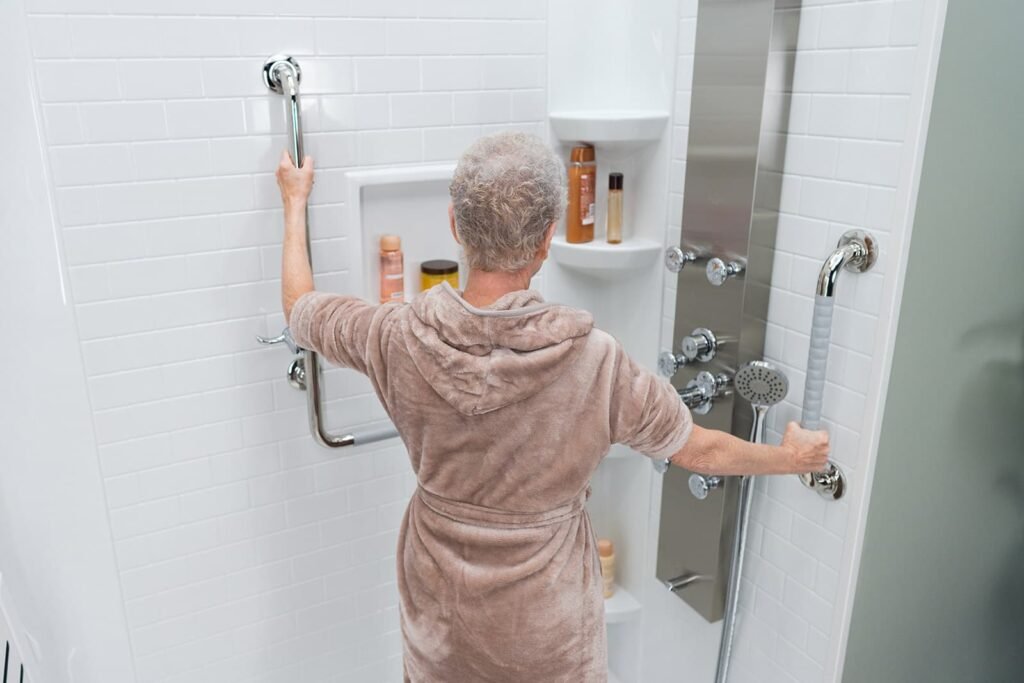
As our loved ones age, ensuring their safety and comfort at home becomes a top priority. Elderly support systems in the home are essential for promoting independence, reducing the risk of falls, and providing peace of mind for families. From grab bars and safety rails to smart technology and home modifications, there are many ways to create a secure environment tailored to the needs of older adults.
Whether you’re planning for your own future or helping a family member, understanding the available options and best practices is crucial. This article explores the key components of home support systems for seniors, practical installation tips, and how to choose the right solutions for different living spaces. For a comprehensive approach to making homes safer, you may also want to review the aging in place home improvement checklist for seniors.
Why Home Support Systems Matter for Seniors
Falls and injuries are a leading cause of hospitalization among older adults. According to the CDC, one in four Americans aged 65+ falls each year. Many of these incidents happen at home, often in bathrooms or on stairs. By installing elderly support systems in the home, families can significantly reduce these risks and help seniors maintain their independence for longer.
Support systems are not just about physical safety. They also contribute to emotional well-being, allowing seniors to feel confident and comfortable in their own space. Simple modifications can make daily routines easier and less stressful, which is especially important for those with mobility challenges or chronic health conditions.
Essential Types of Home Support Solutions
There are several categories of products and modifications designed to support seniors at home. The right combination depends on individual needs, home layout, and budget. Here are some of the most effective options:
- Grab Bars and Handrails: These are vital in bathrooms, hallways, and stairways. They provide stability when standing, sitting, or moving between positions.
- Toilet Safety Rails: These assist with sitting down and standing up, reducing strain and fall risk in the bathroom.
- Non-Slip Flooring: Mats and textured tiles help prevent slips, especially in wet areas.
- Shower Chairs and Benches: These allow seniors to bathe safely while seated.
- Bed Rails: Useful for getting in and out of bed and preventing falls during the night.
- Smart Home Devices: Voice assistants, emergency alert systems, and motion-activated lighting add convenience and safety.
For more on making bathrooms safer, see bathroom safety features every senior should consider.
Installing Grab Bars and Safety Rails
Grab bars are among the most recommended elderly support systems in the home, especially in bathrooms and near stairs. Proper installation is key to their effectiveness. Here’s what to keep in mind:
- Choose bars that are ADA-compliant and can support at least 250 pounds.
- Install into wall studs or use secure mounting anchors for drywall.
- Position bars at heights that match the user’s needs—typically 33–36 inches from the floor for horizontal bars.
- Consider textured or non-slip finishes for better grip.
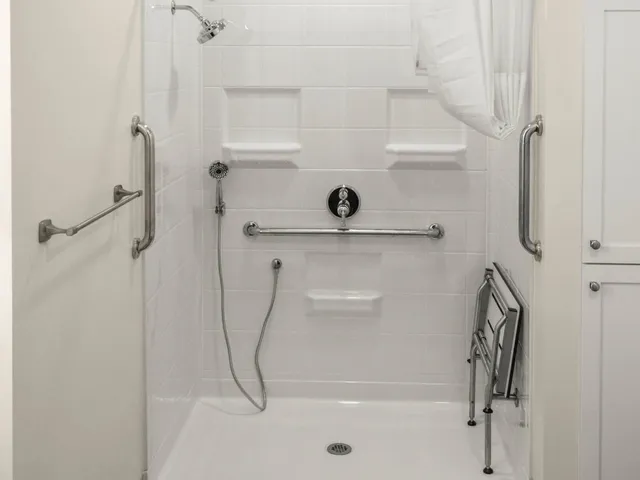
For a step-by-step guide on selecting and installing grab bars, check out this resource on grab bars for seniors.
Bathroom Modifications for Safer Living
The bathroom is one of the most hazardous areas for older adults. Beyond grab bars, several modifications can make this space much safer:
- Install a walk-in shower or tub with a low threshold.
- Add non-slip mats inside and outside the shower or tub.
- Use a handheld showerhead for easier bathing while seated.
- Place a sturdy shower chair or transfer bench for those with limited mobility.
- Ensure lighting is bright and easy to control, with switches accessible from outside the bathroom.
For more ideas on adapting bathrooms for seniors and multigenerational families, see bathroom safety solutions for multigenerational homes and bathroom accessibility upgrades that make a difference.

Other Key Areas for Home Adaptations
While bathrooms are a focus, other parts of the home also benefit from elderly support systems:
- Stairways: Install sturdy handrails on both sides and ensure steps are well-lit and free of clutter.
- Bedrooms: Use bed rails, nightlights, and clear pathways to reduce nighttime falls.
- Kitchens: Lower countertops and store frequently used items within easy reach to minimize stretching or climbing.
- Entrances: Add ramps or threshold bridges for wheelchair and walker access, and ensure doorways are wide enough for mobility aids.
For a deeper understanding of risks and prevention, read understanding fall risks in older adults.
Choosing the Right Support Systems for Your Home
Selecting the best solutions starts with a thorough assessment of the home and the senior’s needs. Consider the following:
- Mobility level and medical conditions
- Areas where assistance is most needed (e.g., bathing, toileting, stairs)
- Budget for modifications and equipment
- Long-term needs and potential for future changes
Consulting with occupational therapists or home safety specialists can help identify hazards and recommend appropriate products. Many local agencies and nonprofits offer home assessments and may assist with installation or funding for essential modifications.
Maintaining and Updating Support Systems
Once installed, it’s important to regularly check all support features for wear and tear. Tighten loose grab bars, replace non-slip mats as needed, and ensure all lighting and alarms are functioning properly. As needs change, update or add new systems to maintain a safe and accessible environment.
Frequently Asked Questions
What are the most important support systems for seniors at home?
The most critical supports include grab bars in bathrooms, handrails on stairs, non-slip flooring, toilet safety rails, and adequate lighting. These features address the most common causes of falls and injuries among older adults.
How do I know where to install grab bars and safety rails?
Focus on areas where movement is most challenging or where slips are likely, such as beside toilets, in showers, at bathtub edges, and along stairways. Consulting with a home safety expert or occupational therapist can help determine the best locations for installation.
Are there financial assistance programs for home modifications?
Yes, some Medicare Advantage plans, Medicaid waivers, and local agencies may offer assistance with the cost of home safety modifications. Nonprofits and community organizations can also provide support or referrals for funding and installation services.
Conclusion
Creating a safe, accessible living environment is one of the best ways to support seniors’ independence and quality of life. With the right elderly support systems in the home, families can help prevent accidents and make daily routines easier for their loved ones. Assess your home, prioritize key areas for improvement, and invest in reliable products and modifications. For more guidance, refer to trusted resources and consider professional assessments to ensure every aspect of the home is as safe and supportive as possible.