
Bathrooms are one of the most common places for slips and falls, especially for older adults and anyone with mobility challenges. Making a walk-in shower safer is not just about comfort—it’s about preventing injuries and supporting independence. Simple upgrades and thoughtful additions can dramatically reduce risks and make daily routines easier for everyone.
Whether you’re planning for your own future needs, caring for a loved one, or updating a multigenerational home, prioritizing walk in shower safety improvements is a smart investment. Many of these changes are straightforward, affordable, and can be completed without major renovations. For a broader look at home safety, you may also want to review the aging in place home improvement checklist to ensure every area of your home is as safe as possible.

Why Prioritize Shower Safety?
Falls in the bathroom can have serious consequences, leading to injuries that may require hospitalization or long-term care. According to the CDC, over 230,000 people are treated for bathroom-related injuries each year in the U.S. alone. Showers, with their slippery surfaces and limited support, are a particular hazard. By focusing on walk in shower safety improvements, you can help prevent these incidents and create a more accessible environment for everyone.
For families living together across generations, or for those preparing to age in place, these upgrades are essential. They not only protect seniors but also benefit anyone recovering from surgery, living with disabilities, or simply wanting a safer, more comfortable bathing experience. If you’re interested in more comprehensive solutions, check out these bathroom safety solutions for multigenerational homes.
Essential Walk-In Shower Safety Upgrades
There are several practical steps you can take to make a walk-in shower safer. Here are the most effective improvements to consider:
- Install Grab Bars: Secure, properly placed grab bars provide critical support for entering, exiting, and moving within the shower. They help prevent slips and give users something sturdy to hold onto.
- Use Non-Slip Mats or Flooring: Adding textured mats or upgrading to slip-resistant tiles reduces the risk of falls on wet surfaces.
- Adjustable Showerheads: Handheld or adjustable showerheads allow users to bathe while seated and minimize awkward movements.
- Shower Seats or Benches: A stable seat or bench offers a safe place to rest, especially for those with limited stamina or balance.
- Proper Lighting: Bright, glare-free lighting ensures all hazards are visible and helps prevent missteps.
- Low-Threshold Entry: Walk-in showers with low or no threshold make it easier to enter and exit, especially for wheelchair users or those with walkers.
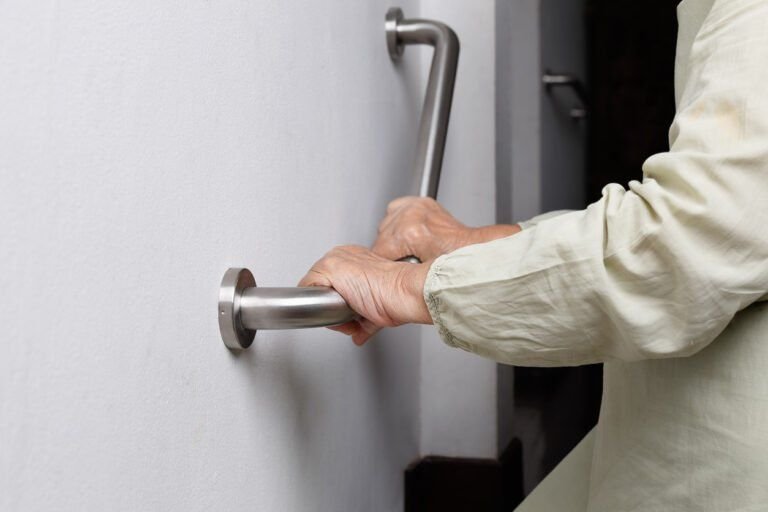
Grab Bars: The Cornerstone of Shower Safety
Grab bars are one of the most effective walk in shower safety improvements you can make. They provide stability for people of all ages and abilities. When installing grab bars, placement is key—consider vertical bars at the entry, horizontal bars along the side wall, and angled bars near seating areas. Make sure they are anchored securely into wall studs or with appropriate mounting hardware.
For a comprehensive look at the benefits and best practices for grab bar installation, see this comprehensive guide on grab bars for elderly safety. Grab bars are not just for seniors—anyone can benefit from the added security they provide, especially in wet and slippery environments.
Reducing Slip Hazards in the Shower
Slippery surfaces are a leading cause of falls. To address this, choose non-slip mats with suction cups or upgrade to slip-resistant tiles. Make sure mats are low-profile to avoid tripping. Regularly clean both mats and flooring to prevent soap scum buildup, which can make surfaces even more hazardous.
For those seeking further improvements, consider combining these changes with other bathroom accessibility upgrades that make a difference to create a safer and more functional space.
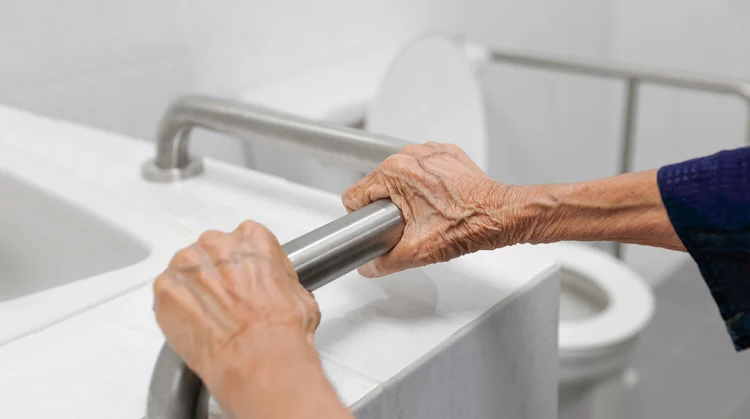
Seating and Support for Comfort and Stability
Adding a shower seat or bench is a valuable upgrade for anyone who finds it difficult to stand for long periods. Look for sturdy, waterproof options with non-slip feet. Some benches are foldable, making them ideal for smaller showers. Pairing a seat with a handheld showerhead allows users to bathe comfortably and safely while seated.
For those who need extra support outside the shower, toilet safety rails can also help prevent falls and provide confidence during transfers. These additions are especially important for older adults and those recovering from surgery or illness.
Lighting and Visibility: Often Overlooked, Always Important
Good lighting is a crucial but often overlooked part of bathroom safety. Dim or shadowy areas can hide hazards and increase the risk of accidents. Use bright, energy-efficient LED lights and consider adding motion sensors for hands-free operation. If possible, install a light directly above the shower area to ensure every corner is well-lit.
Making Showers Accessible for All
True accessibility means everyone can use the shower safely and independently. Low or zero-threshold entries eliminate the need to step over a high edge, making showers easier to access for wheelchair users, those with walkers, or anyone with limited mobility. Lever-style handles, anti-scald valves, and easy-to-reach controls further enhance safety and usability.
For more ideas on creating a universally accessible bathroom, see these bathroom safety features every senior should consider.
Maintenance and Regular Safety Checks
Even the best safety features require regular maintenance. Check grab bars and seats periodically to ensure they are securely attached. Replace worn-out mats and repair any damaged tiles or grout. Keep drains clear to prevent standing water, and clean all surfaces frequently to reduce slip risks.
Encourage everyone in the household to report any issues or concerns. A proactive approach helps catch small problems before they become serious hazards. For a deeper understanding of why these steps matter, review the information on understanding fall risks in older adults.
FAQ: Common Questions About Walk-In Shower Safety
What is the most important safety feature to add to a walk-in shower?
The single most effective upgrade is installing secure grab bars. They provide essential support for entering, exiting, and moving within the shower, significantly reducing the risk of falls.
How can I make my shower safer without a full remodel?
Start with non-slip mats, add a shower seat or bench, use a handheld showerhead, and improve lighting. These changes are affordable and can be completed quickly, making a big difference in safety and comfort.
Are grab bars only for seniors?
No, grab bars benefit people of all ages, including children, adults with injuries, and anyone with balance or mobility challenges. They are a practical addition to any bathroom focused on safety.
Where should grab bars be installed in a walk-in shower?
Install grab bars near the entrance, along the side walls, and close to any seating area. Placement should be tailored to the user’s needs and always anchored securely for maximum support.
Conclusion: Safer Showers for Everyone
Investing in walk in shower safety improvements is a proactive way to protect yourself and your loved ones from preventable injuries. Simple changes—like adding grab bars, non-slip mats, and better lighting—can have a lasting impact on comfort and independence. Review your current setup, address any hazards, and consider additional upgrades to create a bathroom that’s safe, accessible, and welcoming for all.