
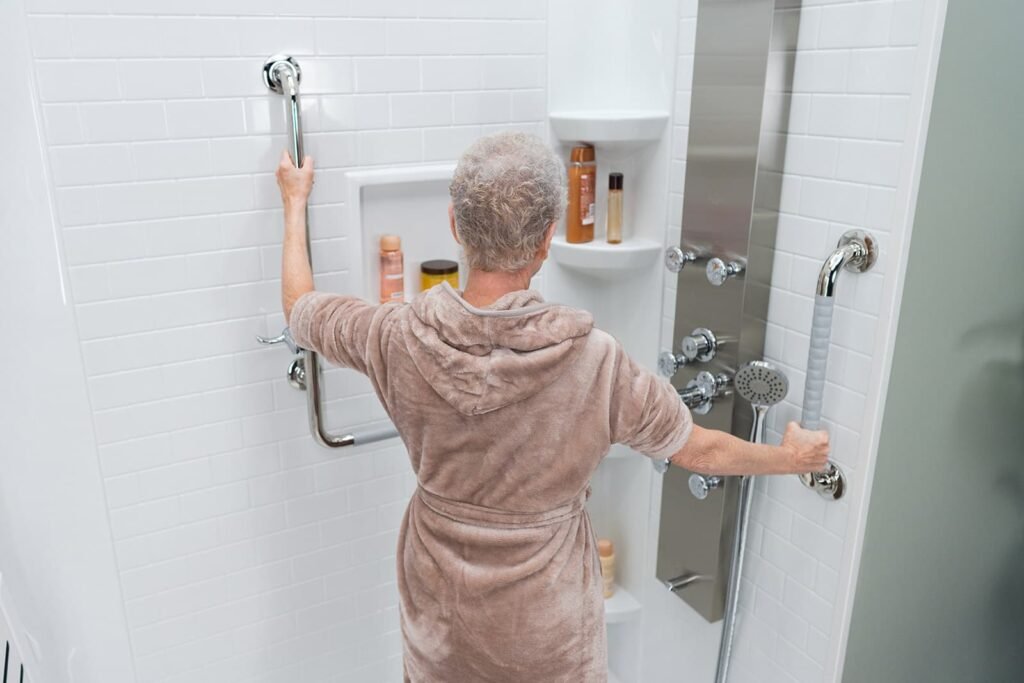
For many older adults and those with mobility challenges, maintaining independence through home safety is a top priority. A secure and accessible living environment not only supports daily routines but also provides peace of mind for individuals and their loved ones. By making thoughtful modifications, it’s possible to continue living comfortably at home while reducing the risk of accidents and injuries.
Simple upgrades—such as installing grab bars, improving lighting, and removing tripping hazards—can make a significant difference. These changes help foster autonomy, confidence, and a sense of control over one’s living space. For those seeking a comprehensive approach, the aging in place home improvement checklist offers a valuable resource for planning and prioritizing safety enhancements.
Why Prioritize Home Safety for Independent Living?
As people age or experience changes in mobility, the home can present new challenges. Slippery floors, uneven surfaces, and hard-to-reach fixtures may increase the risk of falls and injuries. According to the CDC, falls are a leading cause of injury among older adults, often resulting in hospitalizations or long-term loss of independence.
By proactively addressing these hazards, individuals can create a safer environment that supports their desire to live independently. Home safety upgrades are not just about preventing accidents—they’re about empowering people to move freely and confidently within their own homes.
Essential Upgrades for Maintaining Independence Through Home Safety
There are several practical modifications that can make a home safer and more accessible. Here are some of the most effective upgrades to consider:
- Grab Bars and Handrails: Installing sturdy grab bars in bathrooms, hallways, and stairways provides essential support for balance and stability. These features are especially important in wet or slippery areas.
- Non-Slip Flooring: Replacing or treating floors with non-slip materials can help prevent slips and falls, particularly in kitchens and bathrooms.
- Improved Lighting: Bright, well-placed lighting reduces shadows and helps individuals see obstacles clearly. Consider motion-activated lights for hallways and entryways.
- Accessible Fixtures: Lever-style door handles, handheld showerheads, and raised toilet seats make daily tasks easier for those with limited strength or flexibility.
- Decluttering and Organization: Keeping walkways clear and storing frequently used items within easy reach minimizes bending, stretching, and tripping hazards.
For more ideas tailored to multigenerational households, see bathroom safety solutions for multigenerational homes.
Bathroom Modifications: A Key Area for Safety
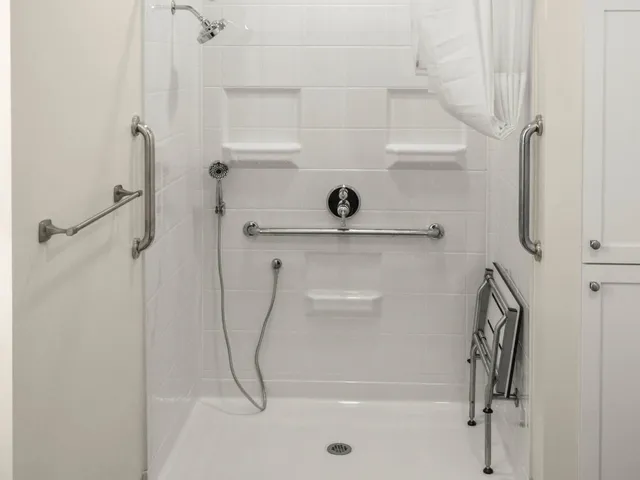
The bathroom is one of the most common locations for falls and injuries at home. Upgrading this space with safety in mind is crucial for anyone focused on maintaining independence through home safety. Some effective bathroom modifications include:
- Installing grab bars near the toilet, shower, and bathtub
- Using non-slip mats or applying anti-slip coatings to floors
- Adding a shower chair or bench for seated bathing
- Replacing a standard tub with a walk-in shower or tub for easier access
- Ensuring all toiletries and towels are within easy reach
To explore more about accessible bathroom upgrades, visit bathroom accessibility upgrades that make a difference.

Reducing Fall Risks Throughout the Home
Falls are a major concern for anyone aiming to stay independent at home. Beyond the bathroom, it’s important to address hazards in every room. Here are some strategies to reduce risks:
- Secure loose rugs with non-slip backing or remove them altogether
- Keep electrical cords and clutter out of walkways
- Install handrails on both sides of staircases
- Ensure all steps are well-lit and clearly marked
- Use furniture with sturdy arms and backs for easier sitting and standing
Understanding the specific risks faced by older adults can help guide your safety planning. For more details, see understanding fall risks in older adults.
Choosing and Installing Grab Bars for Maximum Benefit
Grab bars are one of the most effective tools for maintaining independence through home safety. When selecting and installing grab bars, keep these tips in mind:
- Choose bars made from durable, rust-resistant materials
- Install bars at a height and angle that matches the user’s needs
- Ensure bars are anchored securely into wall studs for maximum support
- Consider textured or non-slip finishes for added grip
For a deeper look at the best options and installation advice, check out this guide to grab bars for elderly individuals.
Other Smart Upgrades for a Safer Home
While bathrooms and stairs are high-priority areas, there are many other ways to enhance safety and support autonomy at home:
- Install smoke and carbon monoxide detectors with loud alarms and visual alerts
- Use smart home devices for remote monitoring and emergency assistance
- Upgrade to touchless faucets and automatic shut-off appliances
- Label cabinets and drawers for easy identification
- Set up a daily check-in system with friends, family, or neighbors
For more on essential features, see bathroom safety features every senior should consider.
Planning and Funding Home Safety Improvements
Making changes to your home doesn’t have to be overwhelming or expensive. Start by assessing the most urgent needs and prioritizing upgrades that offer the greatest impact. Many local agencies, nonprofits, and government programs provide resources and financial assistance for home modifications. Some health insurance plans may also cover certain safety equipment, so it’s worth checking your benefits.
When possible, consult with occupational therapists or certified aging-in-place specialists. These professionals can recommend personalized solutions and ensure that modifications meet your unique requirements.
Frequently Asked Questions
What are the most important home safety upgrades for seniors?
The most impactful upgrades include installing grab bars in bathrooms, improving lighting throughout the home, using non-slip flooring, and removing tripping hazards. These changes help reduce the risk of falls and support independent living.
How do I know which safety modifications are right for my home?
Start with a home safety assessment, either on your own or with the help of a professional. Focus on areas where falls or accidents are most likely, such as bathrooms, stairs, and entryways. The aging in place home improvement checklist can help you identify and prioritize needed upgrades.
Are grab bars easy to install, and do they really make a difference?
Grab bars can be installed by a skilled DIYer or a professional. When properly anchored, they provide crucial support and significantly reduce the risk of slips and falls, especially in wet areas like bathrooms. For more information, see this comprehensive guide to grab bars for elderly individuals.
Can home safety upgrades help people with disabilities as well as seniors?
Absolutely. Many modifications—such as accessible fixtures, improved lighting, and grab bars—benefit anyone with mobility challenges, not just older adults. These changes create a safer, more comfortable environment for all residents.