
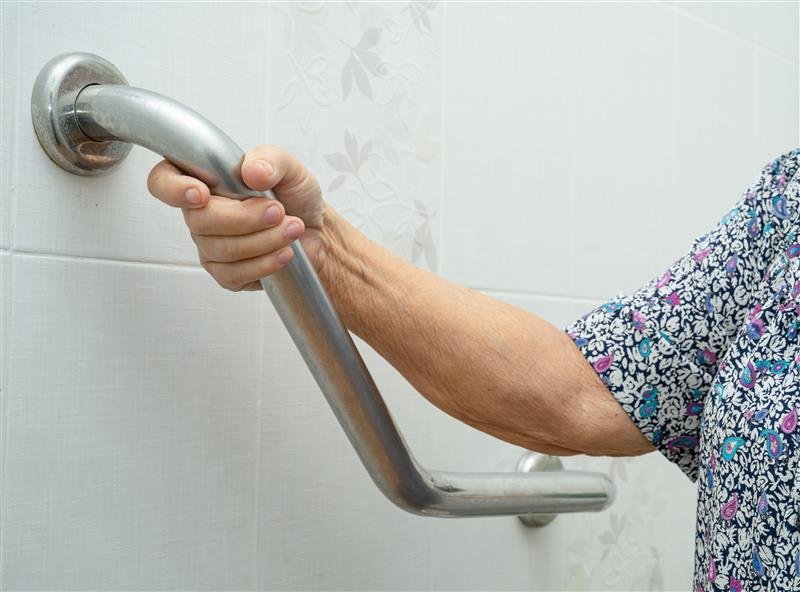
Creating a living environment that supports independence and well-being is essential for older adults. As people age, their needs change, and the home should adapt to ensure comfort, safety, and accessibility. By integrating safe and accessible home design concepts, families can help seniors maintain their autonomy while reducing the risk of accidents and promoting peace of mind for everyone involved.
Whether you are planning a renovation or making small adjustments, understanding the principles behind accessible design is the first step. This article explores practical solutions, essential features, and expert recommendations to make any home more accommodating for seniors. For a comprehensive approach, consider referencing the aging in place home improvement checklist to ensure all critical aspects are addressed.
Why Prioritize Safety and Accessibility in Senior Living Spaces?
As mobility and sensory abilities change with age, the risk of falls and injuries increases. According to the CDC, falls are a leading cause of injury among older adults. By implementing safe and accessible home design concepts, families can significantly reduce hazards and foster a supportive environment.
The goal is not just to prevent accidents but also to create a home that empowers seniors to participate in daily activities comfortably. Accessible design can also add value to the property and make it suitable for multigenerational living.
Key Principles of Senior-Friendly Home Design
Adapting a home for aging residents involves more than just adding grab bars or ramps. The following principles guide effective modifications:
- Universal Design: Features that benefit people of all ages and abilities, such as lever-style door handles and no-step entries.
- Minimizing Hazards: Reducing tripping risks, improving lighting, and removing clutter.
- Ease of Navigation: Wide hallways, open floor plans, and clear pathways for mobility aids.
- Accessible Fixtures: Lowered countertops, reachable storage, and easy-to-use controls.
- Bathroom Safety: Non-slip surfaces, sturdy grab bars, and walk-in showers.
Essential Modifications for Safer Bathrooms
The bathroom is one of the most common locations for falls among seniors. Incorporating bathroom safety features can make a significant difference. Installing grab bars near the toilet and shower, using non-slip mats, and ensuring adequate lighting are all crucial steps.
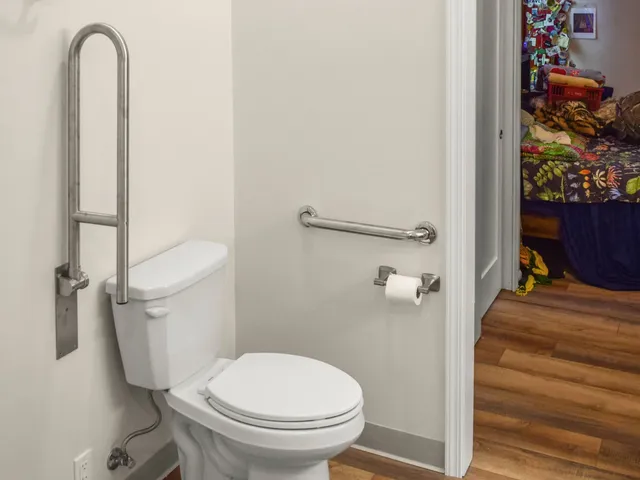
For more ideas on improving bathroom safety, visit the bathroom safety features every senior should consider guide, which covers additional upgrades and best practices.
Grab Bars and Support Rails
Properly installed grab bars provide stability for sitting, standing, and moving between bathroom fixtures. They should be securely anchored to wall studs and placed at heights that are easy to reach. For more details on the benefits of these features, see this in-depth discussion on how grab bars improve safety for seniors.
Accessible Toilets and Showers
Raised toilet seats, toilet safety rails, and walk-in showers with low thresholds make personal care routines safer and more comfortable. Consider installing handheld showerheads and shower chairs to further enhance accessibility.
Improving Mobility and Navigation Throughout the Home
Beyond the bathroom, the entire home should be evaluated for accessibility. Hallways and doorways should be wide enough to accommodate walkers or wheelchairs. Flooring should be smooth and free of loose rugs or cords that could cause trips.

Lighting is another critical factor. Install bright, glare-free lighting in hallways, staircases, and entryways. Motion-sensor lights can provide automatic illumination at night, reducing the chance of falls.
Entryways and Stairs
Ramps or no-step entries are preferable to stairs. Where stairs are unavoidable, sturdy handrails on both sides and non-slip treads can help. Entryways should be well-lit and free of obstacles.
Living Areas and Bedrooms
Arrange furniture to allow clear pathways and ensure that commonly used items are within easy reach. Beds should be at a comfortable height, and chairs should have arms for support when standing up or sitting down.
Smart Home Technology for Enhanced Safety
Modern technology offers additional ways to support seniors at home. Smart devices such as voice-activated assistants, video doorbells, and automated lighting systems can make daily tasks easier and provide added security.
Medical alert systems and sensors can notify caregivers or family members in case of emergencies. These tools, when combined with thoughtful design, create a comprehensive approach to senior safety.
Planning and Implementing Home Modifications
Start by assessing the current living environment and identifying areas for improvement. Involve the senior in decision-making to ensure their preferences and needs are respected. Consulting with occupational therapists or certified aging-in-place specialists can provide valuable insights.
For a room-by-room approach, check out the bathroom accessibility upgrades that make a difference resource, which highlights practical solutions for one of the most important areas of the home.
Additional Resources for Senior Home Safety
There are many organizations and guides available to help families make informed decisions. Understanding the unique fall risks that older adults face is crucial—learn more from the understanding fall risks in older adults article.
For those living with multiple generations under one roof, bathroom safety solutions for multigenerational homes can provide tailored advice for shared spaces.
Frequently Asked Questions
- What are the most important features to include for senior safety at home?
- Key features include grab bars in bathrooms, non-slip flooring, good lighting, wide doorways, and accessible switches and controls. These elements help prevent falls and make daily tasks easier.
- How can I make a bathroom safer for an older adult?
- Install sturdy grab bars, use non-slip mats, ensure the shower is walk-in or has a low threshold, and consider raised toilet seats or safety rails. Adequate lighting and reachable storage also improve safety.
- Are there affordable ways to improve home accessibility?
- Yes, many modifications are budget-friendly. Start with simple changes like removing tripping hazards, adding nightlights, and installing lever-style handles. Over time, you can add more permanent features such as ramps or accessible fixtures.
Thoughtful planning and the right modifications can transform any home into a safe, welcoming environment for seniors. By focusing on safe and accessible home design concepts, families can support independence and quality of life for their loved ones.