
As we age, our homes should remain places of comfort, independence, and security. However, everyday environments can present unique challenges for older adults, from slippery floors to hard-to-reach storage. Creating a safer home for seniors is essential for reducing fall risks, supporting mobility, and ensuring peace of mind for families. This guide outlines practical steps, proven strategies, and essential upgrades to help make any living space more senior-friendly.
Whether you’re planning for your own future or supporting a loved one, understanding how to adapt the home environment can make a significant difference. For a comprehensive checklist of recommended improvements, see the aging in place home improvement checklist for seniors, which covers safety, accessibility, and comfort considerations.

Why Home Safety Matters for Older Adults
Falls are one of the leading causes of injury among seniors, often resulting in hospitalizations or long-term health impacts. Many of these incidents occur at home, where hazards like loose rugs, poor lighting, and inaccessible bathrooms can increase risk. By proactively addressing these challenges, families can support independence and reduce the likelihood of accidents.
For more insight into the risks and prevention strategies, explore understanding fall risks in older adults, which details common causes and evidence-based solutions.
Essential Steps to Make Living Spaces Safer
Improving home safety doesn’t always require major renovations. Small changes can have a big impact. Here are some foundational steps to consider:
- Remove tripping hazards: Clear walkways of clutter, secure loose rugs, and keep electrical cords out of pathways.
- Improve lighting: Use bright, glare-free bulbs and add nightlights in hallways and bathrooms.
- Install handrails and grab bars: Support stability on stairs and in bathrooms.
- Rearrange furniture: Create wide, unobstructed paths for walking and mobility aids.
- Store essentials within reach: Place frequently used items at waist height to avoid bending or stretching.
Adapting Entryways and Living Areas
Entryways and common rooms are high-traffic zones where accessibility is crucial. Consider the following upgrades to enhance safety and comfort:
- Threshold ramps: Smooth out uneven doorways to accommodate walkers or wheelchairs.
- Non-slip flooring: Replace slippery surfaces with textured materials or add non-skid mats.
- Lever-style door handles: Easier to operate than traditional knobs, especially for those with arthritis.
- Sturdy seating: Choose chairs with armrests and firm cushions for easier transfers.
For more ideas on supporting mobility and confidence, see senior mobility and confidence at home, which highlights top upgrades for independence.
Bathroom Modifications for Senior Safety
The bathroom is often considered the most hazardous room for seniors due to wet surfaces and tight spaces. Making targeted improvements can dramatically reduce the risk of slips and falls.
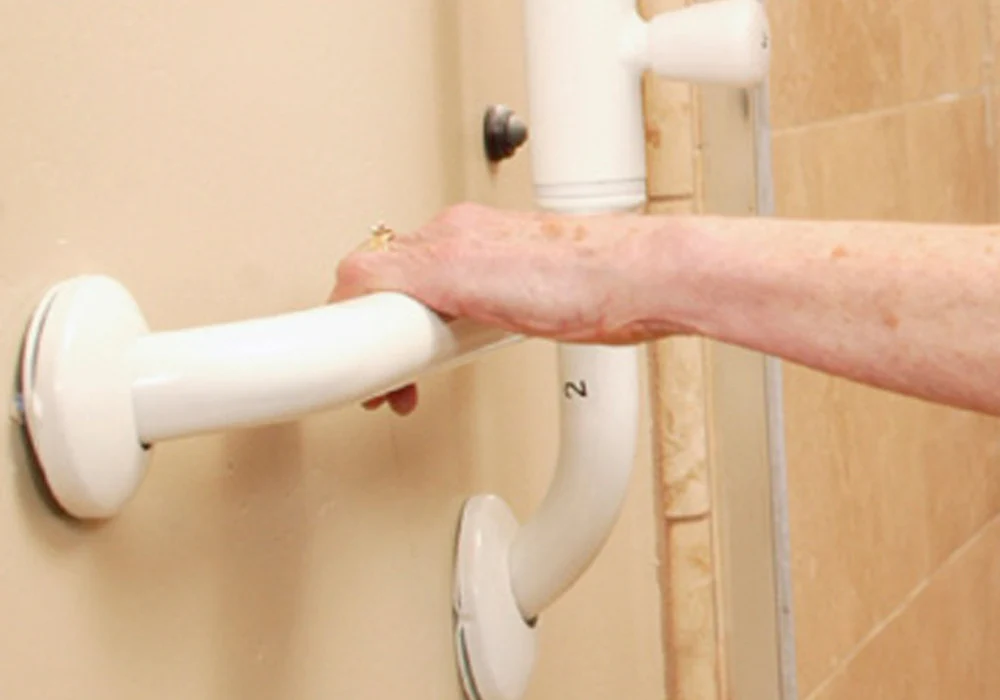
- Install grab bars: Place them near the toilet, shower, and bathtub for added support. For step-by-step instructions, refer to this grab bar installation guide.
- Use non-slip mats: Add mats inside and outside the tub or shower to prevent slipping.
- Elevated toilet seats: Make sitting and standing easier and safer.
- Accessible showers: Consider walk-in showers or tub transfer benches for easier entry and exit.
- Handheld showerheads: Allow for seated bathing and better control.
For more inspiration on bathroom upgrades, check out bathroom accessibility upgrades that make a difference.

Kitchen and Dining Area Adjustments
Kitchens can pose challenges due to hot surfaces, sharp utensils, and the need to reach high or low cabinets. To make these spaces more senior-friendly:
- Lower storage: Keep everyday items on lower shelves to minimize reaching and bending.
- Anti-scald devices: Install on faucets to prevent burns.
- Easy-grip utensils: Use tools with large, comfortable handles.
- Stable step stools: If needed, choose models with handrails and non-slip feet.
Bedroom Safety and Comfort
The bedroom should be a restful and secure space. Consider these tips for a safer environment:
- Bed height: Adjust to allow feet to rest flat on the floor when sitting on the edge.
- Clear pathways: Remove clutter and ensure a direct route to the bathroom.
- Nightlights: Illuminate the way to reduce nighttime falls.
- Accessible phones: Keep a phone within easy reach for emergencies.
Smart Technology and Monitoring Solutions
Modern technology can further enhance home safety for seniors. Consider adding:
- Medical alert systems: Provide immediate assistance in case of emergencies.
- Motion-sensor lights: Automatically illuminate walkways and rooms.
- Video doorbells: Allow for safe screening of visitors.
- Smart thermostats: Help maintain comfortable temperatures and prevent overheating or chills.
Maintaining a Safe Home Over Time
Safety is an ongoing process. Regularly review the home environment and update features as needs change. Involve seniors in decision-making to ensure adaptations match their preferences and routines. For additional guidance, see best practices for aging in place to support long-term comfort and independence.
Frequently Asked Questions
What are the most important areas to focus on for senior home safety?
The most critical areas are bathrooms, entryways, and staircases, as these are common sites for falls. Prioritize grab bars, non-slip surfaces, and adequate lighting in these locations.
How often should I review and update home safety features?
It’s recommended to assess the home at least once a year or after any significant health changes. Regular reviews help ensure that adaptations continue to meet evolving needs.
Are there affordable ways to improve home safety for seniors?
Yes, many effective upgrades are low-cost, such as adding nightlights, securing rugs, and installing grab bars. Even small changes can greatly reduce risks and improve quality of life.