
Creating a safe and supportive living environment is essential for older adults recovering from illness, surgery, or injury. Senior rehabilitation home modifications can make a significant difference in promoting independence, reducing fall risks, and supporting a smoother recovery process. Whether you’re helping a loved one or planning for your own future, understanding which changes are most effective is key to successful rehabilitation at home.
Many families begin by reviewing resources like the aging in place home improvement checklist to identify practical upgrades. Focusing on accessibility, safety, and comfort ensures that the home environment supports both short-term recovery and long-term well-being.
Why Home Modifications Matter for Senior Rehabilitation
After a hospital stay or injury, returning home can be both comforting and challenging for older adults. The right rehabilitation home modifications help bridge the gap between clinical care and independent living. Common goals include:
- Reducing the risk of falls and injuries
- Supporting mobility with adaptive equipment
- Improving access to essential areas like bathrooms and kitchens
- Encouraging confidence and self-sufficiency
According to the CDC, falls are a leading cause of injury among seniors. Simple changes, such as installing grab bars and removing trip hazards, can have a profound impact on safety and recovery outcomes.
Essential Senior Rehabilitation Home Modifications
Every home and individual has unique needs, but certain upgrades consistently prove effective for those recovering at home. Here are some of the most impactful changes to consider:
Bathroom Safety Upgrades
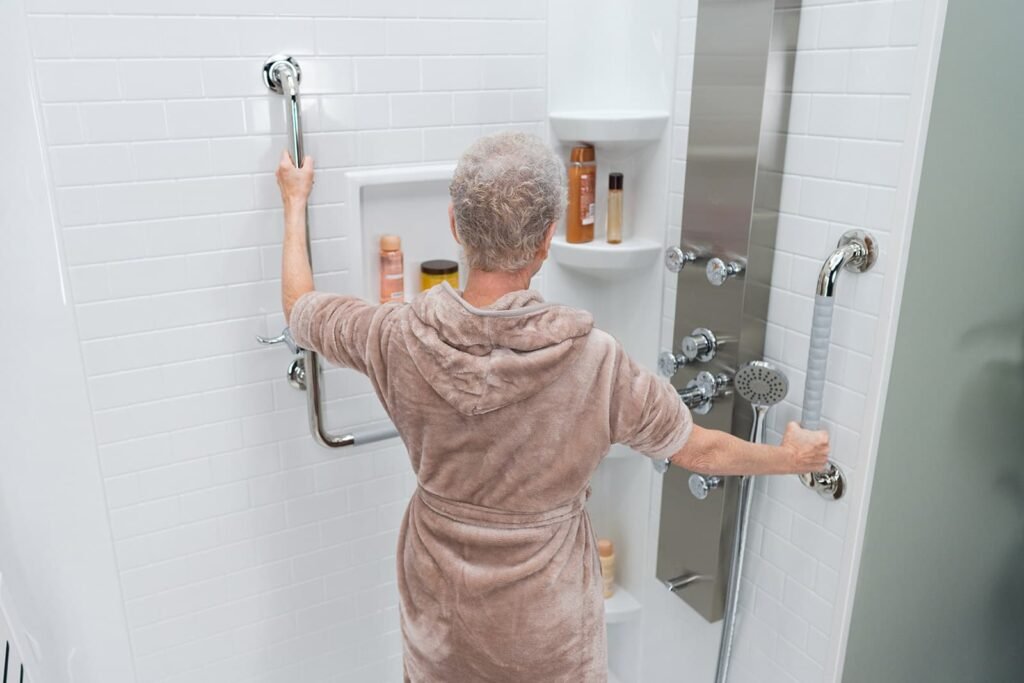
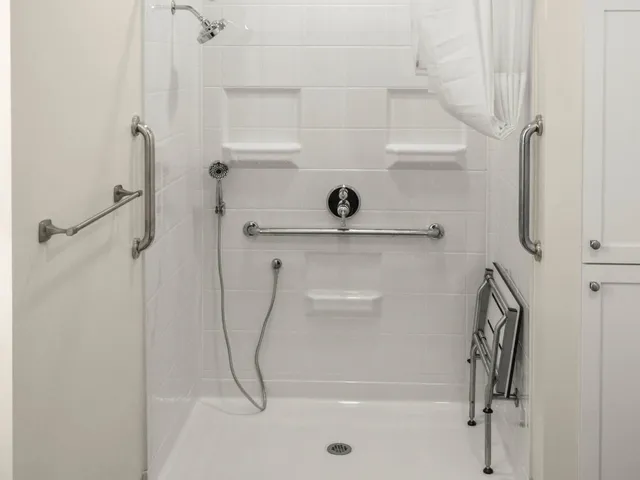
The bathroom is a high-risk area for slips and falls. Adding features that support stability and ease of movement is crucial. Key modifications include:
- Grab bars near the toilet and inside the shower or tub
- Non-slip mats or flooring
- Walk-in showers or tubs with low thresholds
- Handheld showerheads for seated bathing
- Raised toilet seats and toilet safety rails
For more detailed suggestions, see our guide on bathroom accessibility upgrades that make a difference.
Improving Mobility and Access Throughout the Home
Mobility aids and thoughtful design changes can help seniors move safely from room to room. Consider these options:
- Widening doorways to accommodate walkers or wheelchairs
- Installing ramps at entrances and eliminating steps where possible
- Lowering light switches and raising electrical outlets for easier reach
- Removing loose rugs and clutter from walkways
- Adding sturdy handrails to both sides of stairways
For those with limited mobility, these adjustments can make daily routines much more manageable and help prevent accidents.
Bedroom and Living Area Adaptations
Comfort and accessibility in sleeping and living spaces are just as important as bathroom safety. Recommended modifications include:
- Adjustable beds or bed rails for easier transfers
- Chairs with armrests and firm cushions for support
- Clear pathways with adequate lighting, especially at night
- Accessible storage at waist height to avoid bending or reaching
Simple changes, such as rearranging furniture or adding nightlights, can make a big difference in confidence and safety.
Choosing and Installing Grab Bars for Rehabilitation
Grab bars are among the most effective senior rehabilitation home modifications for preventing falls and supporting balance. When selecting grab bars, look for:
- Sturdy, rust-resistant materials
- Proper length and diameter for a secure grip
- Professional installation into wall studs for maximum strength
For more information on selecting and installing grab bars, check out this comprehensive guide to grab bars for elderly adults.

Reducing Fall Risks and Increasing Confidence
Falls can have serious consequences for seniors, especially during rehabilitation. According to the National Institute on Aging, most falls occur at home. Proactive modifications can help address common hazards:
- Install bright, glare-free lighting in hallways and stairwells
- Use contrasting colors for steps and thresholds
- Secure carpets and remove cords from walkways
- Keep frequently used items within easy reach
For a deeper understanding of risks and prevention, see our article on understanding fall risks in older adults.
Planning for Long-Term Accessibility
While many modifications support immediate rehabilitation needs, it’s wise to plan for the future. Consider upgrades that will continue to benefit residents as needs change, such as:
- Lever-style door handles instead of knobs
- Zero-step entries and wider hallways
- Accessible kitchen layouts with pull-out shelves
- Smart home technology for lighting and emergency alerts
These improvements not only aid recovery but also support aging in place for years to come. For more strategies, explore our tips on best practices for aging in place.
Frequently Asked Questions
What are the most important home modifications for seniors after surgery?
Key changes include installing grab bars in bathrooms, adding ramps or stair lifts, improving lighting, and removing trip hazards. These upgrades help ensure safety and support mobility during recovery.
How do I choose the right grab bars for my home?
Look for grab bars made from durable, rust-resistant materials. Choose a length and diameter that fits the user’s hand comfortably, and ensure they are installed into wall studs for maximum support. Professional installation is recommended for safety.
Are there resources to help pay for home modifications?
Some insurance plans, including Medicare and Medicaid, may cover certain modifications if deemed medically necessary. Local agencies and non-profits may also offer grants or low-cost programs to assist with accessibility upgrades.
Conclusion
Investing in senior rehabilitation home modifications is a practical way to support recovery, promote independence, and reduce the risk of injury. By focusing on proven upgrades—such as grab bars, ramps, and accessible layouts—families can create a safer, more comfortable environment for their loved ones. For further ideas on boosting senior mobility and confidence at home, explore our additional resources and guides.