
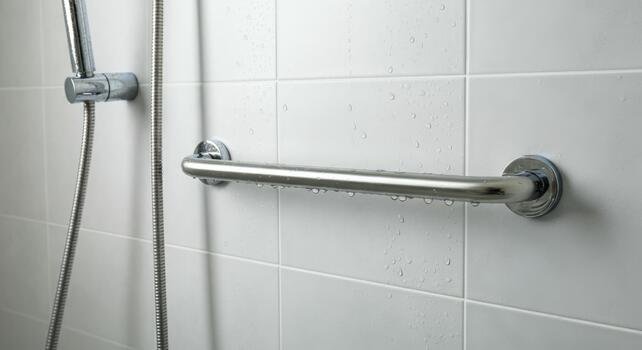
Creating a world that is accessible to all is not just about compliance or convenience—it’s about improving quality of life through accessibility for people of all ages and abilities. Accessible environments empower individuals to live independently, reduce risks, and participate fully in daily life. Whether in private homes, public spaces, or workplaces, thoughtful design and practical upgrades can make a significant difference.
For many, especially older adults and those with mobility challenges, small changes like installing grab bars or safety rails can prevent falls and injuries. These modifications not only support physical safety but also foster confidence and dignity. As awareness grows, more families and communities are recognizing the value of accessibility improvements in promoting well-being.
If you’re interested in learning more about practical upgrades for safer living, the article on home safety for elderly couples provides additional insights into essential modifications for independent living.
Why Accessibility Matters for Everyday Living
Accessible environments are crucial for enabling everyone to navigate and use spaces safely. For individuals with disabilities or age-related limitations, barriers such as narrow doorways, slippery floors, or inaccessible bathrooms can limit independence and increase the risk of accidents. By focusing on accessibility improvements, families can create homes that adapt to changing needs over time.
Beyond physical safety, an accessible home supports emotional well-being. When people can move freely and perform daily tasks without assistance, they gain a sense of autonomy and pride. This is especially important for seniors who wish to age in place and maintain their routines without relocating or relying heavily on caregivers.
Key Home Modifications for Enhanced Accessibility
There are many ways to make a home more accessible, but some upgrades have an outsized impact on safety and comfort. Here are a few essential modifications to consider:
- Grab Bars: Installing sturdy grab bars in bathrooms and near stairs provides crucial support for balance and stability.
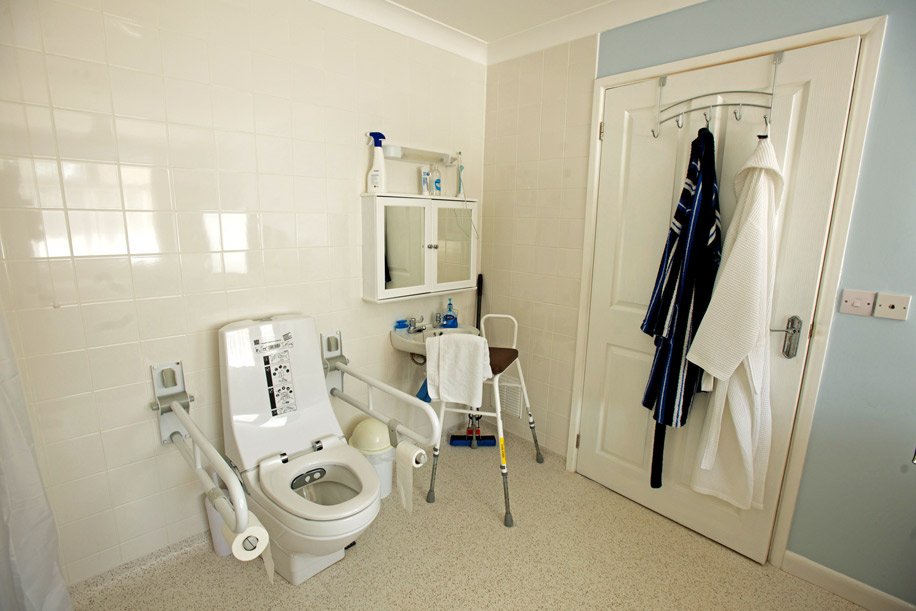
- Toilet Safety Rails: These rails make it easier to sit and stand, reducing strain and the risk of falls.
- Non-Slip Flooring: Replacing slippery tiles with textured, non-slip surfaces helps prevent accidents, especially in wet areas.
- Wider Doorways: Enlarging doorways accommodates wheelchairs and walkers, making movement between rooms easier.
- Lever-Style Handles: Replacing round knobs with lever handles allows for easier operation by those with limited grip strength.
For more ideas on preventing slips and falls, see the guide to wet floor safety solutions for modern bathrooms.
How Grab Bars and Rails Support Independence
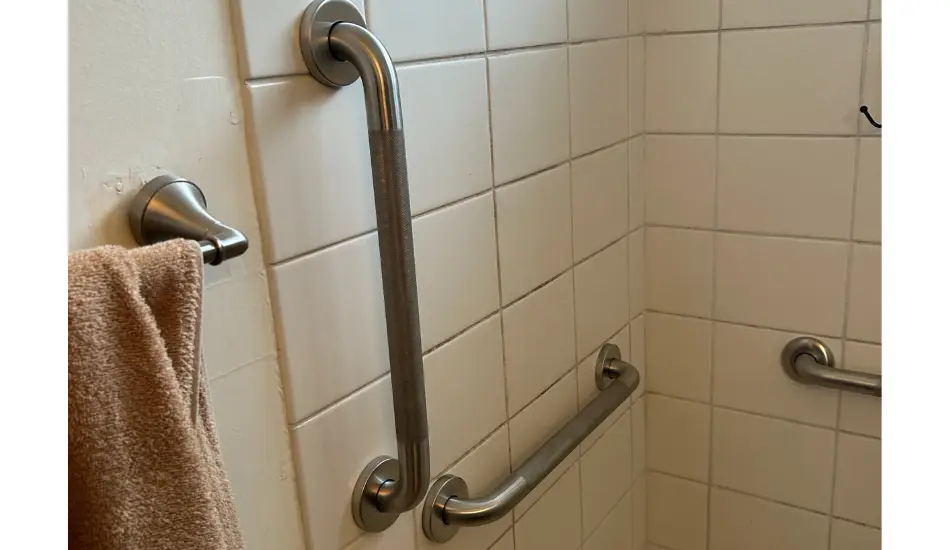
One of the most effective ways to promote improved quality of life through accessibility is by adding grab bars and safety rails in key locations. Bathrooms, in particular, pose a high risk for slips and falls due to wet surfaces and limited maneuvering space. Grab bars provide a stable handhold for entering and exiting showers or tubs, while toilet safety rails assist with sitting and standing.
These simple devices are not just for seniors—anyone recovering from surgery, living with chronic conditions, or experiencing temporary mobility issues can benefit. According to experts, grab bars are essential for preventing falls and maintaining independence in the bathroom. Their installation is a proactive step toward a safer, more accessible home.
Accessible Bathrooms: A Cornerstone of Home Safety
Bathrooms are often the first area addressed in accessibility upgrades because they combine hard surfaces, water, and confined spaces. Adding features like walk-in showers, adjustable showerheads, and non-slip mats can further reduce hazards. For those seeking additional comfort, consider enhancements such as walk-in tubs with massage jets to improve circulation and relaxation.
Accessible bathrooms not only support physical health but also help preserve privacy and dignity. With the right modifications, individuals can manage personal care tasks with minimal assistance, reducing stress for both users and caregivers.
Choosing the Right Accessibility Solutions
Selecting the best products and modifications depends on individual needs and the layout of the home. When comparing support rails vs other mobility aids, consider factors such as the user’s strength, balance, and daily routines. Consulting with occupational therapists or home safety specialists can help identify the most effective solutions.
For a comprehensive overview of essential products, the resource on support rails vs other mobility aids explains the pros and cons of various options, helping families make informed decisions.
In addition, prioritizing upgrades that address the most common risks—like bathroom falls—ensures that investments in accessibility have the greatest impact on safety and comfort.
Benefits Beyond Safety: Social and Emotional Well-Being
While the primary goal of accessibility is to prevent injuries, the benefits extend far beyond physical safety. Accessible homes foster greater participation in family life, reduce caregiver burden, and support social connections. When individuals feel secure and capable in their environment, they are more likely to engage in hobbies, entertain guests, and maintain a positive outlook.
For older adults, these improvements can delay or prevent the need for assisted living, allowing them to remain in familiar surroundings. Resources like senior home safety essentials offer additional guidance for supporting independent living at any age.
Frequently Asked Questions
What are the most important accessibility upgrades for bathrooms?
The most impactful upgrades include installing grab bars near showers and toilets, adding non-slip mats or flooring, and using toilet safety rails. These changes provide stability and reduce the risk of falls in wet, slippery environments.
How do grab bars and safety rails improve daily life?
Grab bars and safety rails offer critical support for balance and movement, especially for those with limited mobility. They help users safely enter and exit showers, sit and stand from toilets, and move around with confidence, promoting independence and reducing the need for assistance.
Are accessibility modifications only for seniors?
No, accessibility upgrades benefit people of all ages, including those recovering from injuries, living with disabilities, or managing chronic health conditions. Making spaces more accessible ensures everyone can participate fully in daily activities and reduces the risk of accidents for all household members.
Taking Action: Start Improving Accessibility Today
Upgrading your home for accessibility is a proactive step toward a safer, more inclusive environment. Even small changes, like adding grab bars or non-slip mats, can have a significant impact on comfort and confidence. By focusing on improving quality of life through accessibility, families can support independence and well-being for loved ones at every stage of life.
For more detailed advice and product recommendations, explore the available resources and consult with professionals who specialize in home safety. Every step taken toward accessibility is a step toward a better quality of life for everyone.