
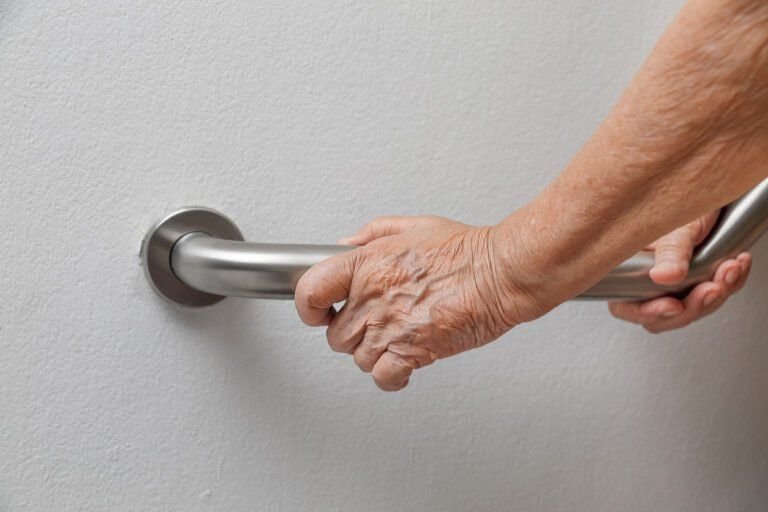
Maintaining senior independence and bathroom safety is crucial for older adults who wish to remain in their own homes as they age. The bathroom, while essential for daily routines, can also be one of the most hazardous spaces due to slippery surfaces and limited mobility. With the right modifications and a thoughtful approach, it’s possible to create a secure environment that supports autonomy and confidence for seniors.
For families and caregivers, understanding the best practices and available solutions for safer bathrooms is key. This guide covers practical upgrades, essential equipment, and expert tips to help minimize risks and promote dignity. If you’re also interested in broader home modifications, you may find valuable insights in our home safety for elderly couples resource, which explores essential upgrades for aging in place.
Understanding the Importance of Bathroom Modifications for Seniors
Falls are a leading cause of injury among older adults, and bathrooms are a common site for such incidents. Wet floors, low toilets, and high tub walls can all contribute to accidents. By focusing on bathroom safety for seniors, families can reduce these risks and help loved ones maintain their independence for longer.
Simple changes, such as installing grab bars or using non-slip mats, can make a significant difference. More comprehensive upgrades, like walk-in showers or raised toilet seats, further enhance accessibility and comfort. These adjustments not only prevent injuries but also support daily routines, making it easier for seniors to care for themselves with dignity.
Essential Equipment for Safer Bathrooms
Choosing the right safety equipment is a foundational step in supporting independent living for seniors. Here are some of the most effective additions for a safer bathroom environment:
- Grab Bars: Securely mounted bars near the toilet, shower, and bathtub provide stability when sitting, standing, or moving.
- Toilet Safety Rails: These rails offer extra support for sitting down and standing up, reducing the risk of falls.
- Non-Slip Mats: Placed inside and outside the tub or shower, these mats help prevent slips on wet surfaces.
- Shower Chairs and Benches: Allow seniors to bathe while seated, minimizing fatigue and instability.
- Handheld Showerheads: Make it easier to rinse off while seated or standing, improving comfort and control.
For a more detailed comparison of safety aids, our article on support rails vs other mobility aids can help you determine which options best fit your needs.
Best Practices for Installing Grab Bars and Rails
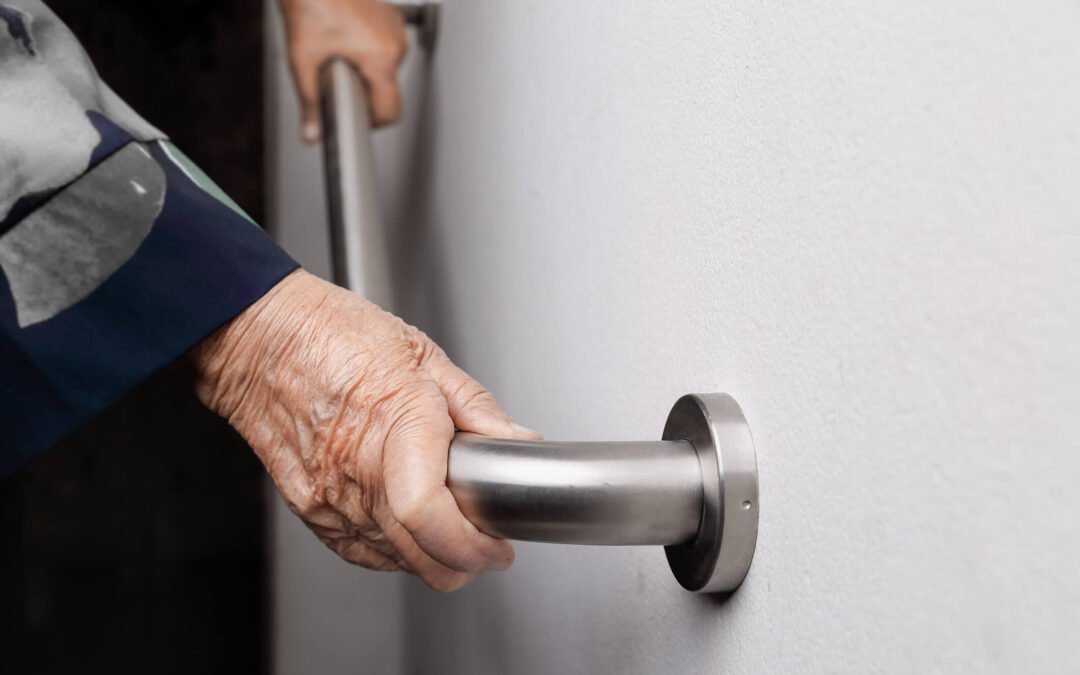
Proper installation of grab bars and rails is essential for maximizing their effectiveness. Here are some guidelines to follow:
- Placement: Install bars near the toilet, inside the shower or tub, and at entry/exit points. Position them at a height that’s comfortable for the user’s reach and grip.
- Secure Mounting: Always anchor grab bars into wall studs or use appropriate mounting hardware for tile or drywall. This ensures they can support the user’s weight safely.
- Material: Choose rust-resistant materials such as stainless steel or coated aluminum for durability in damp environments.
- Grip Surface: Opt for textured or ribbed surfaces to prevent hands from slipping, especially when wet.
For more guidance on choosing and installing grab bars, you can consult this comprehensive guide to grab bars for older adults.
Reducing Slips and Falls: Flooring and Wet Area Solutions
Slippery floors are a major hazard in bathrooms. To reduce the risk of falls, consider these strategies:
- Non-Slip Flooring: Replace smooth tiles with textured, slip-resistant surfaces.
- Water Management: Use shower curtains or doors that keep water inside the bathing area. Install proper drainage to prevent puddles.
- Accessible Showers: Walk-in or roll-in showers eliminate the need to step over high tub walls, making entry and exit safer.
For more ideas on minimizing wet floor dangers, our guide to wet floor safety solutions offers practical tips for modern bathrooms.
Supporting Autonomy with Smart Bathroom Design
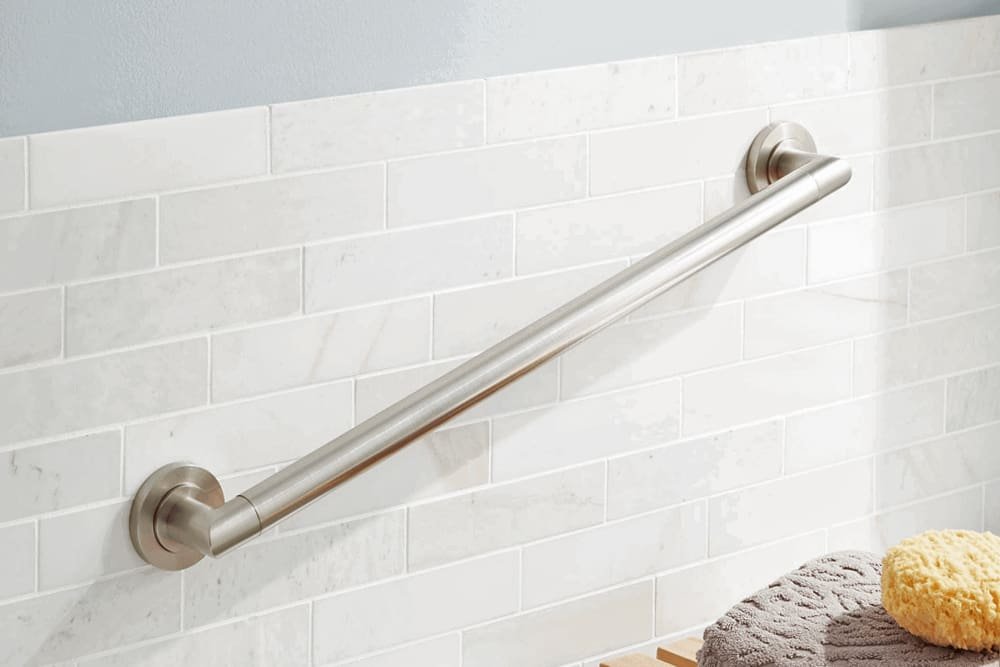
Beyond equipment, thoughtful design choices can further promote independence and safety for seniors. Consider the following recommendations:
- Lever-Style Faucets: Easier to operate than traditional knobs, especially for those with arthritis or limited hand strength.
- Good Lighting: Bright, glare-free lighting reduces shadows and helps seniors see obstacles clearly.
- Clear Pathways: Remove clutter and keep toiletries within easy reach to avoid unnecessary bending or stretching.
- Contrasting Colors: Use contrasting colors for fixtures and grab bars to make them stand out visually.
For a comprehensive checklist of home modifications, our senior home safety essentials article provides actionable steps for every room.
Choosing the Right Accessibility Improvements
Every home and individual is unique, so it’s important to tailor solutions to specific needs. Consulting with occupational therapists or home modification specialists can help identify the most effective changes. For more inspiration, see our guide on bathroom accessibility improvements for elderly adults, which covers a range of upgrades from simple to advanced.
Remember, the goal is to create a space where seniors feel confident and secure, allowing them to maintain their routines with minimal assistance.
Frequently Asked Questions
What are the most important bathroom safety features for seniors?
The most critical features include securely installed grab bars, non-slip mats or flooring, toilet safety rails, and accessible showers or tubs. Good lighting and lever-style faucets also contribute to a safer environment.
How do I know where to install grab bars?
Install grab bars near the toilet, inside the shower or bathtub, and at entry and exit points. The height and placement should match the user’s natural reach and movement patterns. Consulting a professional can ensure optimal positioning.
Are there affordable ways to improve bathroom safety for seniors?
Yes, many effective upgrades are budget-friendly. Non-slip mats, portable shower chairs, and basic grab bars are relatively inexpensive and can be installed without major renovations. Prioritize the areas with the highest risk of falls first.
Conclusion
Promoting senior independence and bathroom safety is about more than just preventing accidents—it’s about supporting dignity, confidence, and a higher quality of life. With the right equipment, thoughtful design, and ongoing attention to evolving needs, families can help their loved ones age in place safely and comfortably.