
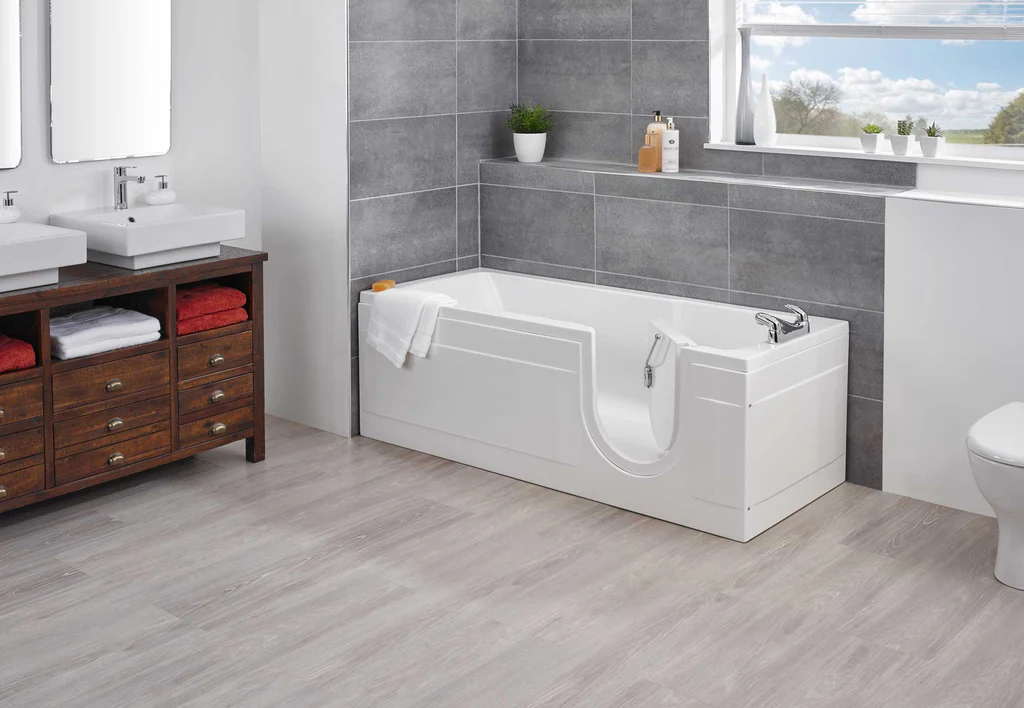
Choosing the right walk-in tub can make a significant difference in safety, comfort, and accessibility for anyone with mobility concerns or those seeking a more relaxing bathing experience. Understanding walk-in tub technical specifications is essential for making an informed decision, whether you’re planning a bathroom remodel, upgrading for aging in place, or simply looking for enhanced bathing options. This guide breaks down the most important technical details, from dimensions and materials to plumbing and safety features, so you can confidently select the best model for your needs.
Before diving into the specifics, it’s helpful to know that walk-in tubs come in a variety of styles and configurations. Each model offers unique features, and knowing what to look for in terms of technical specs ensures you get the right fit for your space and requirements. For those interested in additional safety features, you may want to explore topics like walk-in tub suction safety features to further enhance your understanding of safe bathing solutions.
Key Dimensions and Sizing for Walk-In Tubs
One of the first things to consider is the size of the tub and how it will fit into your bathroom. Walk-in tub technical specifications typically include the following dimensions:
- Length: Most models range from 48 to 60 inches.
- Width: Standard widths are between 28 and 32 inches.
- Height: Heights can vary from 36 to 48 inches, depending on the soaking depth and seat height.
- Door Width: The entry door is usually 15 to 20 inches wide, designed for easy access.
It’s important to measure your bathroom doorway and available floor space before choosing a tub. Some models are designed to fit in the same footprint as a standard bathtub, while others may require additional space for installation. If you’re replacing an existing tub, check the rough-in plumbing location to ensure compatibility.
Material Choices and Construction Details
The material of your walk-in tub affects durability, maintenance, and overall comfort. The most common materials include:
- Acrylic: Lightweight, non-porous, and easy to clean. Acrylic tubs are popular for their glossy finish and resistance to mildew and stains.
- Fiberglass: Affordable and lightweight, but may be less durable over time compared to acrylic.
- Gelcoat: Applied over fiberglass for a smooth, shiny surface. Gelcoat tubs are cost-effective but can be prone to chipping if not handled carefully.
Look for reinforced frames and slip-resistant floors as part of the technical specs. Some high-end models also feature stainless steel frames for added strength and longevity.
Plumbing and Water Usage Specifications
Understanding the plumbing requirements is crucial for a successful installation. Here are the main technical details to consider:
- Water Capacity: Most walk-in tubs hold between 40 and 80 gallons of water. Larger tubs may require upgraded water heaters to ensure a comfortable bathing experience.
- Drainage: Fast-drain technology is a common feature, allowing the tub to empty in as little as 2–4 minutes. Check the drain size (often 2 inches) and ensure your home’s plumbing can accommodate rapid drainage.
- Faucet and Filler Specs: Many models include a deck-mounted faucet with a handheld shower. Look for anti-scald valves and thermostatic controls for added safety.
Proper installation may require professional plumbing services, especially if your current setup is not compatible with the tub’s requirements. For those interested in electrical safety, reviewing resources like how to check walk-in tub electrical grounding can be helpful during the installation process.
Accessibility and Safety Features
Safety is a top priority for anyone considering a walk-in tub. Manufacturers include a range of features designed to reduce the risk of slips and falls:
- Low Step-In Height: Most models have a threshold between 3 and 7 inches, making entry and exit easier for those with limited mobility.
- Grab Bars: Integrated handrails provide extra support and stability.
- Textured Flooring: Slip-resistant surfaces are standard in most walk-in tubs.
- Seating: Built-in contoured seats are typically 17 to 21 inches high, allowing users to sit comfortably while bathing.
- Leak-Proof Doors: Watertight seals prevent water from escaping during use.
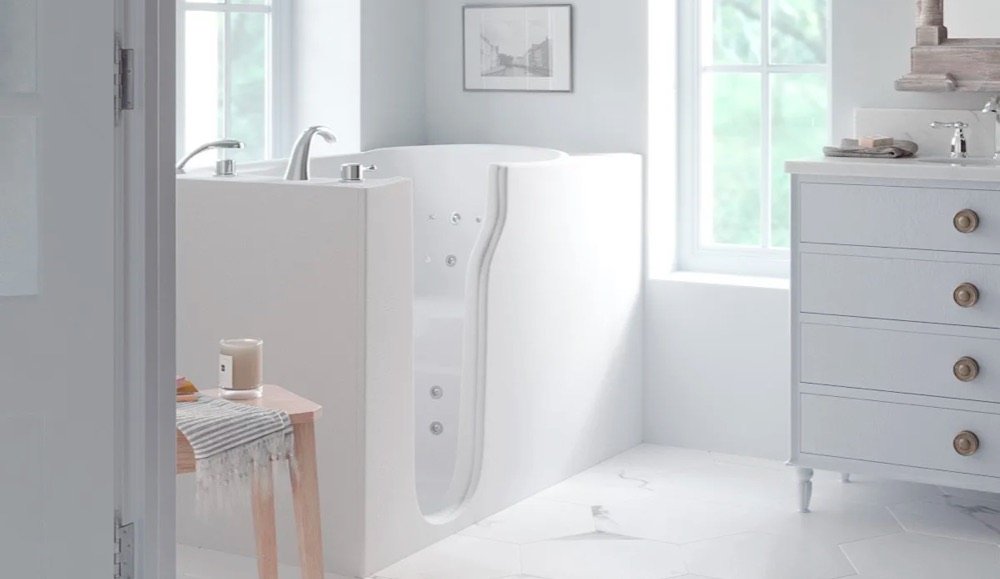
Some advanced models also offer anti-scald technology, emergency quick-drain systems, and easy-to-reach controls. For those interested in hydrotherapy, features like air and water jets can be included, but it’s important to understand the technical requirements for these systems, such as dedicated electrical circuits and regular maintenance.

Hydrotherapy and Jet System Specifications
Many walk-in tubs offer therapeutic benefits through air and water jets. When reviewing walk-in tub technical specifications for hydrotherapy, consider the following:
- Number and Placement of Jets: Tubs may feature anywhere from 6 to 20+ jets, strategically positioned for optimal massage of the back, legs, and feet.
- Types of Jets: Air jets provide a gentle, effervescent massage, while water jets deliver a deeper, targeted hydrotherapy experience.
- Controls: Look for easy-to-use digital or manual controls, with adjustable intensity and direction.
- Maintenance: Some systems include self-cleaning features or require periodic cleaning to prevent buildup and maintain performance.
For those interested in targeted relief, features like foot massage jets can be particularly beneficial. Learn more about walk-in tub foot massage jet benefits for circulation and overall wellness.
Electrical Requirements and Installation Considerations
Most walk-in tubs with hydrotherapy or heated features require a dedicated electrical circuit. Here are some key points to keep in mind:
- Voltage: Many systems operate on standard 110V, but some may require 220V for advanced features.
- GFCI Protection: Ground Fault Circuit Interrupters are essential for bathroom safety and are required by code for most installations.
- Professional Installation: Hiring a licensed electrician is recommended to ensure compliance with local codes and to protect your investment.
Proper electrical setup not only ensures safe operation but also protects sensitive components from damage. For more on electrical safety, refer to resources like how to check walk-in tub electrical grounding.
Comparing Walk-In Tubs to Other Accessible Bathing Solutions
When evaluating walk-in tub technical specifications, it’s helpful to compare them with other accessible bathing options, such as walk-in showers. Each solution has its own pros and cons in terms of installation, maintenance, and user experience. For a comprehensive comparison, see this detailed guide on walk-in baths versus walk-in showers for aging in place.
Maintenance and Cleaning Requirements
Regular maintenance is essential for keeping your walk-in tub in top condition. Technical specifications often include details about:
- Surface Cleaning: Non-abrasive cleaners are recommended for acrylic and gelcoat surfaces.
- Jet System Care: Periodic flushing with a cleaning solution helps prevent buildup in air and water jets.
- Door Seals: Inspect and clean the door gasket regularly to maintain a watertight seal.
Using the right cleaning tools can make a difference. For walk-in showers, microfiber towels are especially effective. Learn more about the benefits of microfiber towels for walk-in showers and consider similar care for your tub’s surfaces.
Frequently Asked Questions
What is the typical water capacity of a walk-in tub?
Most walk-in tubs hold between 40 and 80 gallons of water, depending on the model and size. Larger tubs may require a higher-capacity water heater to ensure a comfortable bath.
Are walk-in tubs compatible with standard bathroom plumbing?
Many walk-in tubs are designed to fit into the space of a standard bathtub and use existing plumbing lines. However, some models may require adjustments to drain size or water supply, especially if they feature fast-drain technology or hydrotherapy systems.
Do walk-in tubs require special electrical wiring?
If your tub includes features like air or water jets, heated seats, or other powered options, a dedicated electrical circuit is usually necessary. Always consult a licensed electrician to ensure safe and code-compliant installation.
Conclusion
Understanding walk-in tub technical specifications is key to selecting a model that meets your needs for safety, comfort, and convenience. By paying attention to dimensions, material quality, plumbing and electrical requirements, and essential safety features, you can make a well-informed choice that enhances your bathing experience for years to come. For more on optimizing your walk-in tub, explore topics such as how to troubleshoot walk-in tub jet noise and other helpful resources.