
For those seeking safer bathing solutions, especially seniors and individuals with mobility challenges, walk-in tub suction safety features are a critical consideration. These built-in protections are designed to prevent dangerous suction-related incidents, such as entrapment, which can occur if a tub’s drain or pump system creates strong negative pressure. Understanding how these safety mechanisms work, and why they matter, is essential for anyone considering a walk-in bathtub for themselves or a loved one.
Modern walk-in tubs offer a range of safety enhancements, not just for ease of entry and exit, but also to address hidden risks like suction entrapment. As you compare different models and features, it’s important to look beyond the basics and focus on the specific safeguards that make bathing both comfortable and secure. For a broader look at how walk-in tubs compare for different needs, you might find comparing walk-in tubs for elderly and disabled users helpful.
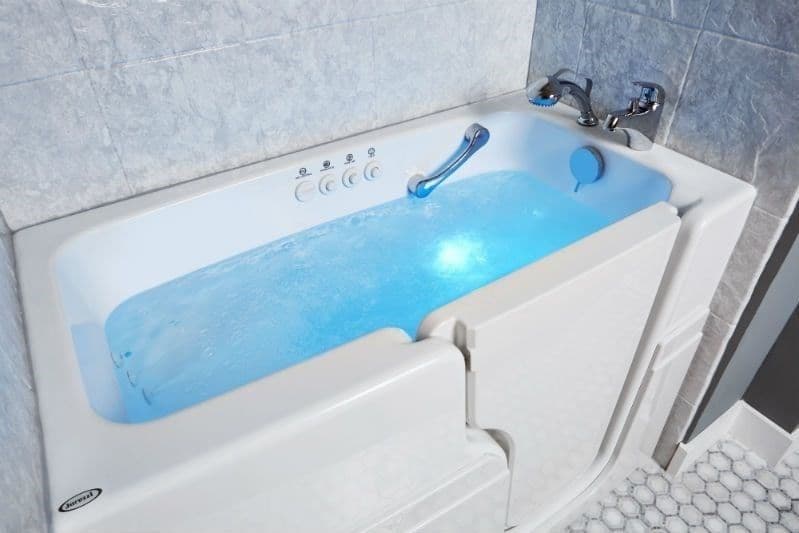
Why Suction Entrapment Is a Serious Concern
Suction entrapment occurs when a person’s body, hair, or clothing becomes stuck against a drain or suction fitting due to strong water flow or negative pressure. In traditional bathtubs, this is rare, but in walk-in tubs equipped with hydrotherapy jets or fast-draining systems, the risk can increase if proper safety features are not in place. Entrapment can lead to injury or, in extreme cases, drowning.
To address these risks, manufacturers have developed a variety of safety mechanisms for walk-in tub suction. These are now standard in quality models, but understanding what to look for can help you make a more informed purchase.
Key Walk-In Tub Suction Safety Mechanisms
Let’s break down the most important features designed to prevent suction-related incidents in walk-in bathtubs:
- Anti-Entrapment Drains: These drains are engineered to minimize suction force, often using multiple small openings instead of a single large one. This design reduces the likelihood of a strong seal forming against the skin or clothing.
- Automatic Suction Release Valves: If a blockage is detected, these valves automatically introduce air into the system, immediately breaking the suction and allowing the user to move freely.
- Protective Drain Covers: Specially designed covers prevent direct contact with the drain or pump intake, further reducing the risk of entrapment.
- Hydrotherapy Jet Safety: Modern hydrotherapy systems include built-in safeguards that limit the maximum suction force, and some even shut off automatically if a blockage is sensed.
These features work together to create a safer bathing environment, especially for those who may have limited mobility or slower reaction times.
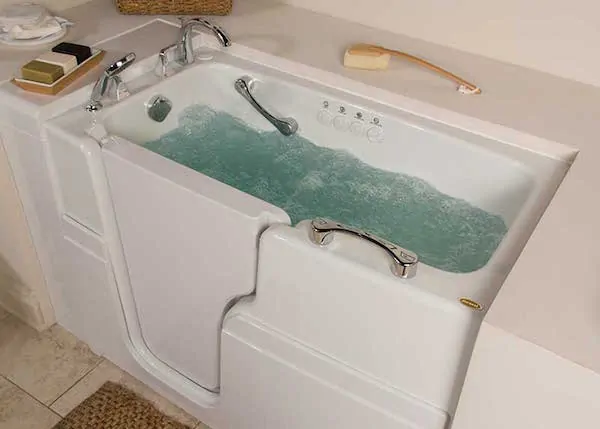
How Modern Tubs Address Suction Hazards
Today’s walk-in tubs are designed with user safety at the forefront. Manufacturers must comply with strict industry standards, such as those set by the American Society of Mechanical Engineers (ASME) and the International Association of Plumbing and Mechanical Officials (IAPMO). These standards require the inclusion of walk-in tub suction safety features that actively prevent entrapment.
Some of the most effective solutions include:
- Multiple Drain Systems: By using two or more drains, water can exit the tub quickly without creating excessive suction at any single point.
- Low-Pressure Jet Systems: Hydrotherapy jets are calibrated to deliver therapeutic benefits without generating dangerous suction levels.
- Regular Maintenance Alerts: Many modern tubs include indicators or alerts for cleaning and maintenance, ensuring that safety features remain effective over time.
For those interested in additional walk-in tub enhancements, such as faster filling times, the walk-in tub quick fill faucet guide provides useful information.
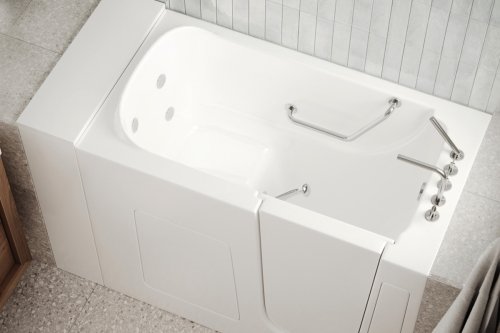
Choosing a Safe Walk-In Tub: What to Look For
When shopping for a walk-in bathtub, prioritize models that clearly state their safety certifications and describe their anti-entrapment features. Here are some practical tips for evaluating your options:
- Ask for documentation on compliance with ASME A112.19.8 or similar standards.
- Inspect the drain covers and suction fittings for tamper-resistant designs.
- Request a demonstration of the automatic suction release system, if available.
- Read user manuals or product guides to understand maintenance requirements for safety features.
- Consider tubs with dual drains for faster, safer emptying.
It’s also wise to consult with a professional installer or a certified aging-in-place specialist to ensure the tub meets both your safety and accessibility needs. For more on optimizing your bathroom for safety, see the walk-in shower curtain vs door safety comparison.
Additional Bathing Safety Considerations
While suction safety is crucial, it’s just one part of a comprehensive approach to safer bathing. Here are other important features to consider:
- Non-slip flooring: Reduces the risk of slips and falls.
- Grab bars and handrails: Provide support when entering or exiting the tub.
- Low threshold entry: Makes it easier to step in and out, especially for those with limited mobility. For guidance on this, check out how to measure walk-in tub threshold height.
- Temperature controls: Prevent accidental scalding by maintaining safe water temperatures.
Combining these elements with robust suction safety mechanisms ensures a well-rounded, secure bathing experience.
Benefits of Investing in Suction-Safe Walk-In Tubs
Choosing a tub with advanced anti-entrapment features offers peace of mind for users and caregivers alike. The main advantages include:
- Reduced risk of injury: Effective safety systems protect against accidental entrapment and related hazards.
- Greater independence: Users can bathe with confidence, knowing that built-in protections are working in the background.
- Compliance with regulations: Meeting or exceeding safety standards may be required for insurance or assisted living facility approval.
- Long-term value: Quality safety features can extend the usable lifespan of the tub and reduce maintenance issues.
For those considering alternatives, such as walk-in showers, exploring the benefits of walk-in showers for elderly users can provide additional perspective.
FAQ
How do anti-entrapment drains work in walk-in tubs?
Anti-entrapment drains use multiple small openings or specially shaped covers to disperse suction force, making it difficult for skin, hair, or clothing to form a seal over the drain. This design helps prevent dangerous suction incidents.
Are all walk-in tubs equipped with suction safety features?
Most reputable walk-in tub brands include some form of suction safety, but the type and effectiveness can vary. Always check for compliance with recognized safety standards and ask for details about the specific protections included in the model you’re considering.
Can I retrofit my existing walk-in tub with additional suction safety features?
Some aftermarket products, such as anti-entrapment drain covers, may be compatible with existing tubs. However, for maximum safety, it’s best to consult with a professional or consider upgrading to a newer model that meets current safety standards.