
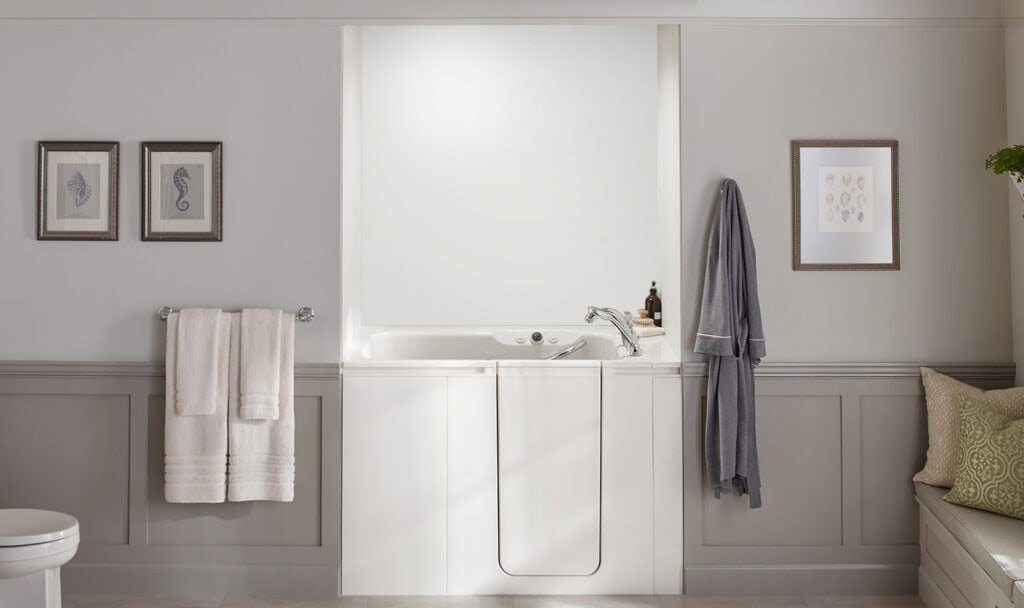
Walk-in tubs offer a relaxing and therapeutic bathing experience, especially for those seeking improved comfort and accessibility. One of the most valued features of these tubs is the ability to tailor the water jet strength to your personal preference. Understanding how to adjust walk-in tub jet intensity can help you maximize both relaxation and safety during your bath. This guide covers the practical steps, safety considerations, and tips for getting the most out of your tub’s hydrotherapy system.
Before diving into the adjustment process, it’s helpful to know that each walk-in tub model may have slightly different controls and features. However, the core principles for managing jet pressure and comfort remain consistent across most brands. If you’re interested in related topics, such as managing noise or vibration, you might find how to troubleshoot walk-in tub jet noise helpful as well.
Understanding Jet Controls and Their Functions
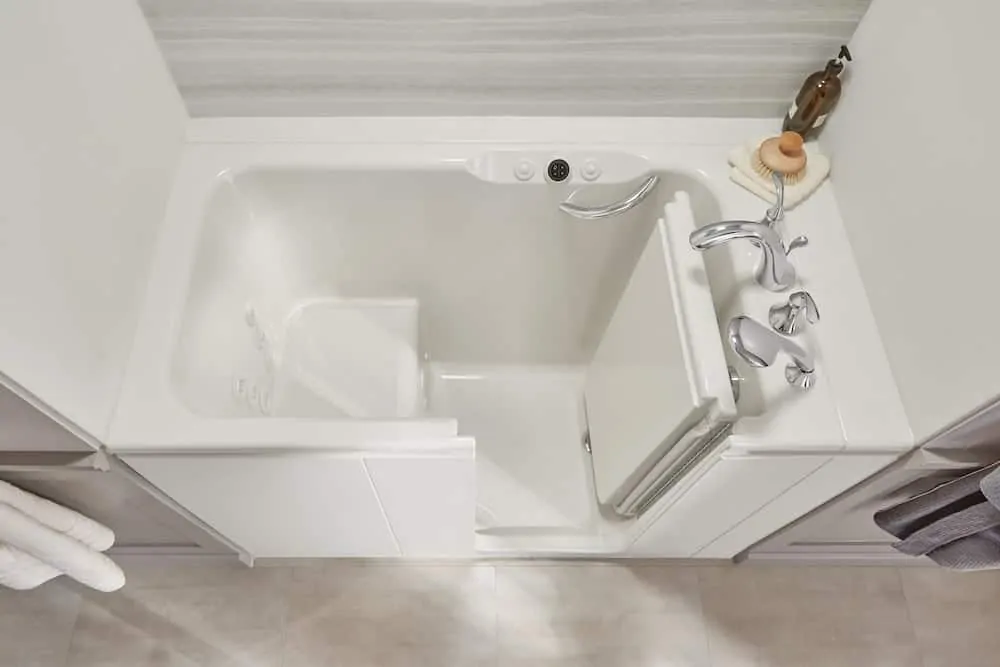
Most walk-in tubs are equipped with hydrotherapy jets that can be adjusted to suit your needs. The controls may be manual dials, digital panels, or even remote controls, depending on the model. Here’s what you need to know about the main types of jet controls:
- Manual Dials: These are often located on the tub’s rim or near the seat. Turning the dial clockwise or counterclockwise increases or decreases the jet pressure.
- Digital Panels: Some advanced tubs feature electronic touchpads that allow you to set the jet intensity with the push of a button.
- Remote Controls: Wireless remotes offer flexibility for users with limited mobility, letting you adjust the jets from a comfortable position.
Familiarize yourself with your tub’s specific controls by consulting the manufacturer’s manual. If you’ve misplaced your manual, many brands offer downloadable versions on their websites or through customer service.
Steps to Modify Walk-In Tub Jet Pressure
Adjusting the strength of your tub’s jets is usually a straightforward process. Follow these steps to ensure a safe and comfortable experience:
- Fill the Tub: Always fill the tub to the recommended water level before activating the jets. Running jets without enough water can damage the pump and reduce effectiveness.
- Locate the Jet Controls: Identify the dials, buttons, or remote that manage jet intensity. These are typically within easy reach from the seated position.
- Start at a Low Setting: Begin with the lowest jet setting to gauge your comfort level. Gradually increase the intensity until you find the pressure that feels best for you.
- Adjust Individual Jets: Many tubs allow you to rotate the jet nozzles themselves to fine-tune the direction and flow. Point them toward areas needing more relief or away from sensitive spots.
- Monitor Your Comfort: Pay attention to how your body feels. If you experience discomfort, reduce the intensity or reposition the jets as needed.
For those interested in the health benefits of hydrotherapy, especially for the feet, consider reading about walk-in tub foot massage jet benefits for improved circulation.
Customizing Hydrotherapy for Maximum Comfort
Personalizing your bathing experience goes beyond simply turning a dial. Here are some tips to get the most out of your walk-in tub’s features:
- Alternate Jet Patterns: Some tubs offer different massage modes, such as pulsing or wave patterns. Experiment with these to discover what feels most soothing.
- Combine Air and Water Jets: If your tub has both types, try using them together or separately to see which combination provides the best relief.
- Adjust Water Temperature: Warmer water can enhance muscle relaxation, but always stay within safe temperature limits to avoid burns.
- Use Bath Additives Carefully: Only use products approved for jetted tubs to prevent clogging or damaging the system.
Regularly cleaning your tub’s jets is also important for maintaining optimal performance. Mineral buildup or soap residue can restrict water flow, making it harder to achieve your desired intensity.
Safety Tips When Managing Jet Strength
While adjusting the pressure is generally safe, there are a few precautions to keep in mind:
- Start Slow: If you’re new to hydrotherapy, begin with lower settings to avoid overwhelming your muscles or joints.
- Monitor Water Levels: Never operate jets when the water is below the recommended level, as this can damage the pump and reduce the effectiveness of the massage.
- Supervise Vulnerable Users: Elderly or mobility-impaired individuals should have assistance nearby when first using the tub or adjusting settings.
- Check Electrical Safety: Ensure your tub’s electrical system is properly grounded. For more on this, see how to check walk-in tub electrical grounding.
Following these guidelines helps ensure a safe and enjoyable bathing experience every time.
Common Issues and Troubleshooting Jet Intensity
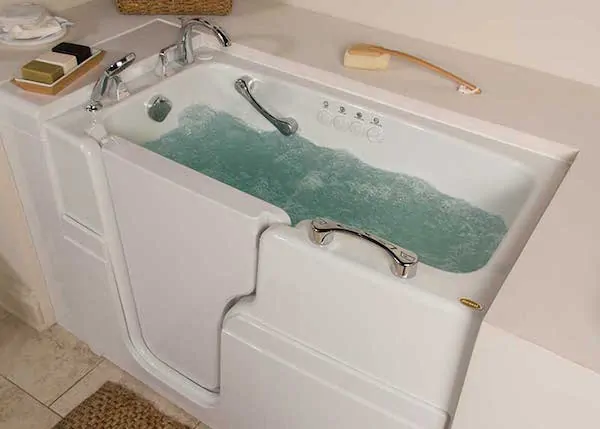
If you notice that your tub’s jets aren’t as strong as they used to be, or if the pressure fluctuates unexpectedly, there are a few things you can check:
- Clogged Jets: Mineral deposits or debris can block water flow. Clean the jets regularly according to your manufacturer’s instructions.
- Pump Problems: If the pump is making unusual noises or seems weak, it may need servicing. Refer to your warranty or contact a professional for repairs.
- Electrical Issues: Inconsistent power supply can affect jet performance. Make sure your tub is properly connected and grounded.
- Water Pressure: Low household water pressure can impact jet strength. Consult a plumber if you suspect this is the cause.
For more detailed troubleshooting, you can refer to resources like how to troubleshoot walk-in tub jet noise for guidance on diagnosing and resolving common problems.
Maintaining Your Walk-In Tub for Consistent Performance
Regular maintenance is key to ensuring your tub’s jets remain effective and safe. Here are some best practices:
- Flush the System: Run a cleaning cycle with a recommended cleaner every few weeks to prevent buildup.
- Inspect Seals and Gaskets: Check for leaks or wear, especially around jet fittings and the door.
- Monitor for Unusual Noises: Any new sounds from the pump or jets may indicate a need for service.
- Keep the Tub Dry: After each use, wipe down surfaces to prevent mold and mildew growth.
For more on keeping your bathing area clean, you might also be interested in the benefits of microfiber towels for walk-in showers.
Comparing Walk-In Tub Jet Features
When shopping for a new tub or upgrading your current model, consider the following features that impact jet adjustability and comfort:
- Number and Placement of Jets: More jets and customizable placement can provide a more tailored massage.
- Variable Speed Pumps: These allow for smoother and more precise control over intensity.
- Easy-to-Use Controls: Look for intuitive dials or digital panels, especially if you have limited dexterity.
- Safety Features: Anti-scald valves and automatic shut-offs add peace of mind.
For those interested in walk-in showers as an alternative, this guide to walk-in showers offers a helpful comparison of features and benefits.
Frequently Asked Questions
Can I adjust the intensity of each jet individually?
Many walk-in tubs allow you to rotate or partially close individual jet nozzles, letting you direct more or less pressure to specific areas. Check your tub’s manual for model-specific instructions.
Is it safe to use bath oils or salts with my tub’s jets?
Only use products labeled as safe for jetted tubs. Some oils and salts can clog or damage the jet system. Always rinse the tub thoroughly after use to prevent buildup.
What should I do if my jets suddenly stop working?
First, check that the tub is filled to the correct water level and that the power supply is functioning. If the problem persists, consult your manufacturer’s troubleshooting guide or contact a professional for service.