
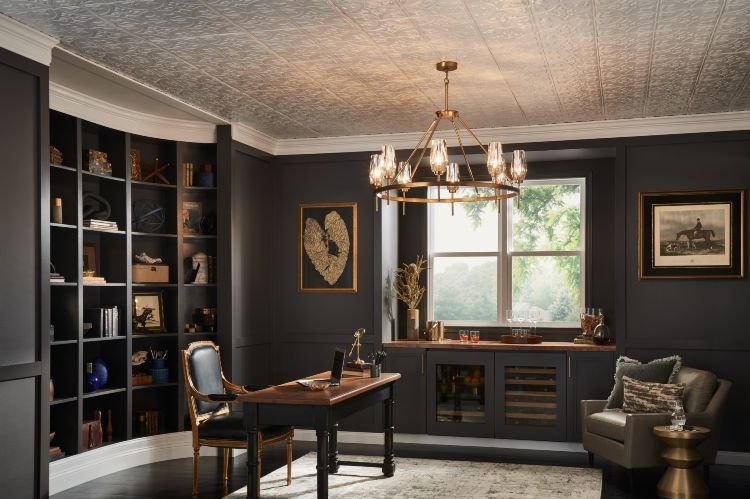
Proper illumination is one of the most effective ways to reduce the risk of falls and accidents in living spaces. Whether you’re concerned about safety for older adults, children, or anyone moving around after dark, lighting for preventing trips is an essential part of a secure home environment. This guide covers practical strategies, fixture recommendations, and placement tips to help you create a safer, more accessible space for everyone.
Many home hazards can be minimized with thoughtful lighting choices. By understanding where and how to use different types of lights, you can make hallways, stairs, bathrooms, and outdoor areas much safer. Along the way, we’ll highlight key products and resources to help you take action right away.
For those interested in other home safety improvements, you may also want to explore topics like how to check walk-in tub electrical grounding to ensure bathroom fixtures are safe and up to code.
Why Good Lighting Matters for Home Safety
Insufficient or poorly placed lighting is a leading contributor to household accidents. Shadows, glare, and dark corners can obscure steps, cords, or uneven flooring, increasing the chance of tripping. By focusing on lighting for preventing trips, you can:
- Highlight potential hazards such as stairs, thresholds, and cluttered walkways.
- Improve visibility for all ages, especially for those with impaired vision.
- Reduce confusion during nighttime or low-light conditions.
- Support independence for seniors and people with mobility challenges.
Effective illumination isn’t just about brightness—it’s about using the right fixtures, bulbs, and placement to create even, comfortable light throughout the home.
Key Areas to Focus Lighting for Trip Prevention
Certain locations in the home are more prone to tripping hazards. Prioritizing these areas with targeted lighting solutions can make a significant difference in safety:
- Hallways and Corridors: Use continuous lighting to eliminate dark patches. Wall sconces or ceiling-mounted fixtures work well.
- Staircases: Install lights at both the top and bottom, and consider step lights or LED strips along the handrail or risers.
- Entryways: Ensure entrances are well-lit both inside and outside, especially if there are steps or uneven surfaces.
- Bathrooms: Use night lights or motion-activated fixtures for safe nighttime navigation.
- Outdoor Paths: Illuminate walkways, porches, and driveways to prevent trips after dark.
Choosing the Right Fixtures and Bulbs
Not all lights are created equal when it comes to safety. Here are some recommendations for fixtures and bulbs that support lighting for preventing trips:
- LED Recessed Lights: These provide even, glare-free illumination and can be installed in ceilings or walls. They’re energy-efficient and long-lasting.
- Motion Sensor Night Lights: Ideal for bedrooms, bathrooms, and hallways, these lights turn on automatically when movement is detected, reducing the risk of stumbling in the dark.
- Step and Pathway Lights: Low-profile fixtures designed for stairs and outdoor walkways help mark changes in elevation and guide safe movement.
- Smart Bulbs and Dimmers: Adjustable brightness allows you to tailor lighting to different times of day and personal preferences.
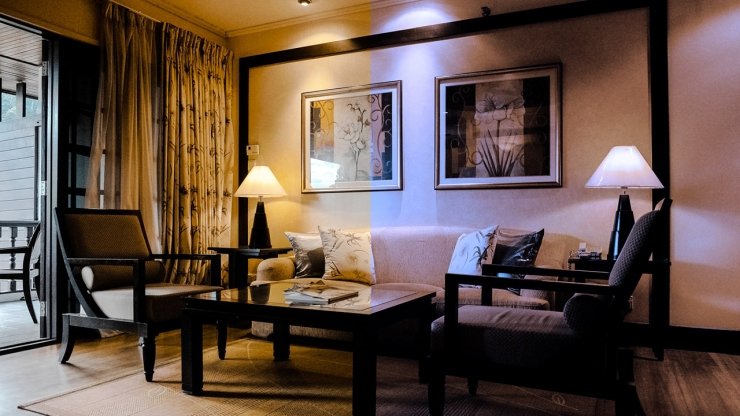
- Warm vs. Cool White: Choose a color temperature that provides clarity without harshness. Warm white (2700K–3000K) is comfortable for most living spaces, while cool white (4000K–5000K) can be useful in task areas.
For more on fixture types and their uses, see this comprehensive guide to home lighting types.
Placement Strategies for Maximum Safety
Strategic placement is just as important as fixture selection. Here are some practical tips:
- Eliminate Shadows: Position lights to avoid casting deep shadows on floors, especially near stairs and thresholds.
- Layer Lighting: Use a combination of overhead, wall-mounted, and floor-level lights for balanced coverage.
- Highlight Hazards: Direct light toward potential obstacles such as area rugs, cords, or uneven flooring.
- Install Multiple Switches: Place switches at both ends of hallways and stairs for convenience and safety.
- Use Timers or Smart Controls: Automate lights to turn on at dusk or when someone enters a room.
Thoughtful placement helps ensure that every step is visible, reducing the likelihood of accidents.

Additional Tips for Reducing Trip Hazards with Lighting
Beyond fixture selection and placement, consider these extra steps to maximize safety:
- Keep Bulbs Clean and Working: Dust and replace bulbs regularly to maintain brightness.
- Avoid Glare: Use frosted bulbs or shades to diffuse harsh light, which can obscure hazards.
- Secure Cords and Cables: Ensure lamp cords are tucked away and do not cross walkways.
- Test Lighting at Night: Walk through your home after dark to identify any dim spots or confusing shadows.
- Educate Household Members: Make sure everyone knows how to operate switches and where automatic lights are installed.
These small adjustments can make a big difference in preventing accidents, especially for those with limited mobility or vision.
Integrating Lighting with Other Home Safety Measures
While lighting for preventing trips is critical, it’s most effective when combined with other safety practices. Remove clutter from walkways, secure loose rugs, and install handrails where needed. In bathrooms, consider using non-slip mats and grab bars for extra support. For more bathroom safety tips, explore the walk-in tub suction safety features article for insights on preventing entrapment and slips.
Frequently Asked Questions
What type of lighting is best for staircases to prevent trips?
For staircases, use a combination of overhead lighting and step lights or LED strips along the handrail or stair risers. This layered approach ensures each step is clearly visible and reduces shadows that can hide hazards.
How can I make my hallway safer at night?
Install motion sensor night lights or low-level LED guides along the baseboards. These lights automatically turn on when someone enters the hallway, providing safe passage without the need to fumble for switches.
Are smart lighting systems worth it for fall prevention?
Yes, smart lighting systems can enhance safety by automating lights based on schedules or motion. Features like remote control, voice activation, and adjustable brightness make it easier to keep spaces well-lit and responsive to your needs.
Should outdoor lighting be left on all night?
For high-traffic areas like entryways and paths, consider using dusk-to-dawn sensors or motion-activated lights. This approach saves energy while ensuring critical areas are illuminated when needed.
Conclusion
Investing in thoughtful lighting for preventing trips is a practical, effective way to make your home safer for everyone. By focusing on key areas, choosing the right fixtures, and maintaining your lighting, you can significantly reduce the risk of falls and enjoy greater peace of mind. For more tips on maintaining a safe and comfortable home, check out resources like the benefits of microfiber towels for walk-in showers to keep your bathroom clean and slip-free.