

Creating a safe and accessible bathroom is essential for seniors and individuals with disabilities. The bathroom is one of the most common places for slips, falls, and injuries at home. By making thoughtful modifications, you can significantly reduce risks and help loved ones maintain independence and dignity. This guide covers practical strategies and products that address mobility challenges, enhance safety, and make daily routines easier for everyone.
Before diving into specific upgrades, it’s important to understand the unique needs of the person using the bathroom. Factors like balance, strength, vision, and wheelchair use all influence which solutions will be most effective. For those interested in the technical side of accessible fixtures, you may also want to read about how to check walk-in tub electrical grounding for additional safety insights.
Key Principles for Accessible Bathroom Design
When considering how to improve bathroom accessibility, focus on three main principles: safety, ease of use, and adaptability. The goal is to minimize hazards, make fixtures easy to reach and operate, and allow for future changes as needs evolve.
- Non-slip surfaces: Install slip-resistant flooring and mats to prevent falls.
- Clear pathways: Ensure there is enough space for mobility aids, such as walkers or wheelchairs, to maneuver easily.
- Lever-style handles: Replace round knobs with lever handles for faucets and doors, which are easier to operate for those with limited grip strength.
- Proper lighting: Use bright, glare-free lighting to improve visibility, especially around the shower, toilet, and sink.
Upgrading Bathing Areas for Safety and Comfort
The bathtub and shower are high-risk areas for slips and falls. Upgrading these fixtures is one of the most impactful ways to enhance accessibility.
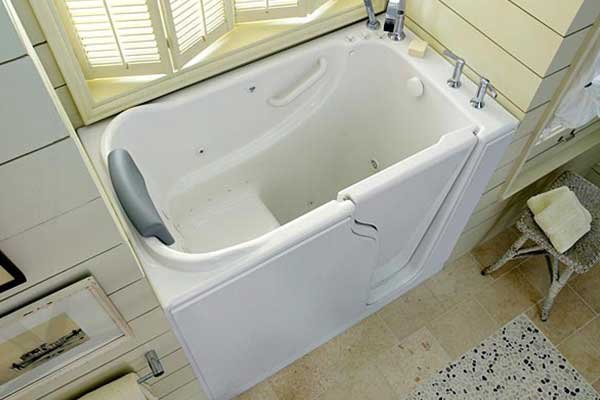
Walk-In Bathtubs and Showers
Walk-in tubs and curbless showers are designed for easy entry and exit. These fixtures often feature built-in seating, hand-held showerheads, and low thresholds. For those with circulation concerns, consider learning about walk-in tub foot massage jet benefits to further enhance comfort and wellness.
For a deeper look at the advantages of these upgrades, check out this comprehensive overview of walk-in tubs and showers.
Grab Bars and Support Rails
Install sturdy grab bars near the bathtub, shower, and toilet. These supports provide stability when standing, sitting, or transferring. Choose bars that are securely anchored into wall studs and have a non-slip grip. Vertical and horizontal placements can both be useful, depending on the user’s needs.
Non-Slip Mats and Flooring
Use non-slip mats inside and outside the tub or shower. Consider replacing smooth tile with textured, slip-resistant flooring. This simple change can dramatically reduce the risk of falls, especially when surfaces are wet.
Accessible Toilets and Sinks
Toilets and sinks can present challenges for those with mobility limitations. Making a few adjustments can make these fixtures much more user-friendly.
- Raised toilet seats: Add a raised seat or replace the toilet with a comfort-height model to make sitting and standing easier.
- Toilet safety frames: Install frames or rails on either side of the toilet for added support.
- Accessible sinks: Choose sinks with open space underneath for wheelchair access. Wall-mounted sinks are a good option.
- Single-lever faucets: Replace traditional faucets with single-lever models for easier operation.
Smart Storage and Organization
Clutter can be dangerous in a bathroom, especially for those with limited mobility or vision. Organize storage to keep essentials within easy reach and reduce the need for bending or stretching.
- Install shelves or baskets at accessible heights.
- Use clear containers to easily identify contents.
- Keep frequently used items, like soap and towels, close to the sink or shower.

Additional Tips for a Safer Bathroom
Beyond major renovations, there are smaller changes that can make a big difference:
- Install a hand-held showerhead for easier bathing while seated.
- Use contrasting colors for fixtures and grab bars to help those with low vision.
- Keep the bathroom well-ventilated to prevent mold and mildew.
- Regularly check for loose rugs, cords, or other tripping hazards.
For ongoing maintenance, using the right cleaning tools can help. Learn about the benefits of microfiber towels for walk-in showers to keep surfaces clean and safe without harsh chemicals.
Understanding Safety Features in Modern Fixtures
Many new bathroom products are designed with safety in mind. For example, walk-in tubs often include anti-scald valves, textured floors, and quick-drain features. If you are considering a walk-in tub, it’s helpful to understand walk-in tub suction safety features to prevent entrapment and ensure peace of mind.
Some advanced models also offer hydrotherapy jets, which can help with circulation and relaxation. If you notice unusual noises or vibrations, resources on how to troubleshoot walk-in tub jet noise can help you keep your equipment running smoothly.
FAQs About Accessible Bathroom Solutions
What is the most important first step for making a bathroom safer for seniors?
The most critical initial step is to address slip and fall risks. Start by adding non-slip mats, installing grab bars, and ensuring clear, unobstructed pathways. These changes provide immediate safety benefits and are relatively easy to implement.
Are walk-in tubs worth the investment?
Walk-in tubs can be a valuable addition for those with significant mobility challenges. They offer easy access, built-in seating, and safety features that reduce fall risk. However, they do require a financial investment and some installation work. Consider your specific needs and consult with a professional before making a decision.
How can I make a bathroom more accessible on a budget?
Simple upgrades like adding grab bars, using non-slip mats, raising the toilet seat, and improving lighting can make a big difference without major renovations. Rearranging storage and removing hazards are also cost-effective ways to enhance safety and accessibility.
Conclusion
Enhancing bathroom accessibility for seniors and people with disabilities is about more than just convenience—it’s about safety, independence, and quality of life. By focusing on practical modifications such as walk-in tubs, grab bars, non-slip surfaces, and accessible storage, you can create a space that supports everyone’s needs. Regularly assess the bathroom for new challenges and update features as necessary to ensure ongoing comfort and security.