
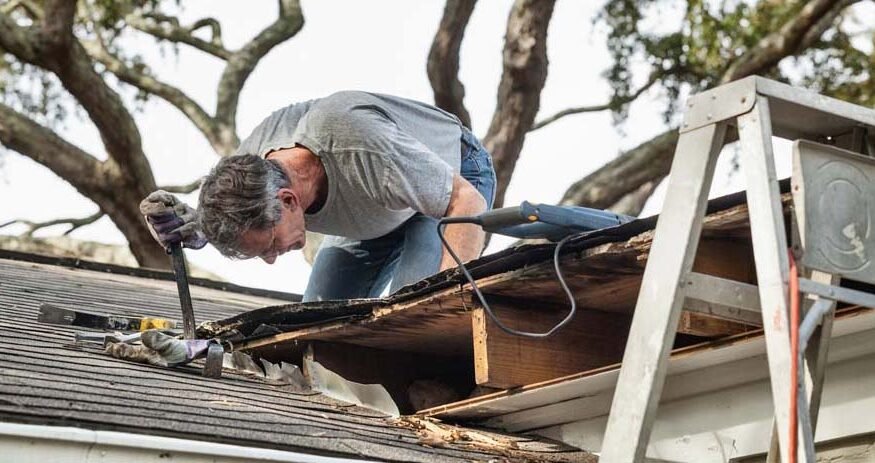
As homes age, essential repairs and modifications become increasingly important for older adults who wish to remain safe and comfortable in their own residences. However, the cost of home repairs can be a significant burden for many seniors living on fixed incomes. Fortunately, there are a variety of financial help for senior home repairs programs and resources designed to ease these expenses and support aging in place.
This article explores the main sources of assistance, eligibility requirements, and practical steps seniors and their families can take to access these benefits. Whether you’re looking to fix a leaky roof, install grab bars, or make your home more accessible, understanding your options can make a meaningful difference.
Before diving into the available programs, it’s helpful to learn about related safety and maintenance topics. For example, understanding how to troubleshoot walk-in tub jet noise can help prevent costly repairs. Similarly, using the right cleaning tools, such as those discussed in the benefits of microfiber towels for walk-in showers, can extend the life of your bathroom fixtures.
Types of Assistance for Home Repairs
There are several forms of financial help for senior home repairs available, ranging from government grants and loans to nonprofit programs and community initiatives. The most common sources include:
- Federal and state grants for low-income homeowners
- Low-interest or forgivable loans for necessary repairs
- Nonprofit organizations offering free or discounted services
- Local government programs supporting accessibility improvements
Each type of assistance has specific eligibility criteria, application processes, and covered repairs. It’s important to research which options are available in your area and match your needs.
Government Grants and Loan Programs
Many seniors turn to government resources for help with home repairs. Key programs include:
USDA Rural Development Section 504 Home Repair Program
This federal program provides grants and loans to very low-income homeowners in rural areas. Grants are available for seniors aged 62 or older who cannot repay a loan, and funds can be used for health and safety-related repairs.
- Grants up to $10,000 for eligible seniors
- Loans up to $40,000 with 1% interest
- Repairs must address health, safety, or accessibility issues
HUD’s Home Improvement Programs
The U.S. Department of Housing and Urban Development (HUD) offers several initiatives, such as the Community Development Block Grant (CDBG) program. These grants are distributed to local governments, which then provide assistance to eligible homeowners for repairs and modifications.
Some localities also offer deferred payment loans or forgivable loans for home improvements that help seniors remain independent.
State and Local Programs
Many states and cities have their own home repair assistance programs for older adults. These may include grants for weatherization, energy efficiency upgrades, or accessibility modifications like ramps and handrails. Check with your local housing authority or Area Agency on Aging for details.
Nonprofit and Community-Based Support
Beyond government programs, many nonprofit organizations and local charities offer financial help for senior home repairs. These groups often focus on urgent repairs, accessibility improvements, or weatherization for older adults in need.
- Rebuilding Together: Provides free home repairs and safety modifications for qualifying seniors.
- Habitat for Humanity: Some local affiliates offer critical home repair services for older adults.
- Local faith-based groups: Many churches and community organizations run volunteer repair programs.
To find organizations in your area, contact your local Area Agency on Aging or search for senior home repair assistance in your city or county.
For a comprehensive overview of available options, visit this guide to home repair assistance for seniors which details seven major sources of help.

Eligibility and Application Tips
Each program has its own requirements, but most forms of financial help for senior home repairs are aimed at low- to moderate-income homeowners who are at least 60 or 62 years old. Common eligibility factors include:
- Proof of age and homeownership
- Income below a certain threshold (varies by program and location)
- Property must be the applicant’s primary residence
- Repairs must address health, safety, or accessibility needs
When applying, gather documentation such as proof of income, identification, property deed, and estimates for the needed repairs. Contact the administering agency or organization for guidance on the application process and deadlines.
Popular Home Repairs and Modifications Covered
Assistance programs typically focus on repairs that improve safety, accessibility, and energy efficiency. Common projects include:
- Roof repairs and replacements
- Plumbing and electrical updates
- Heating and cooling system repairs
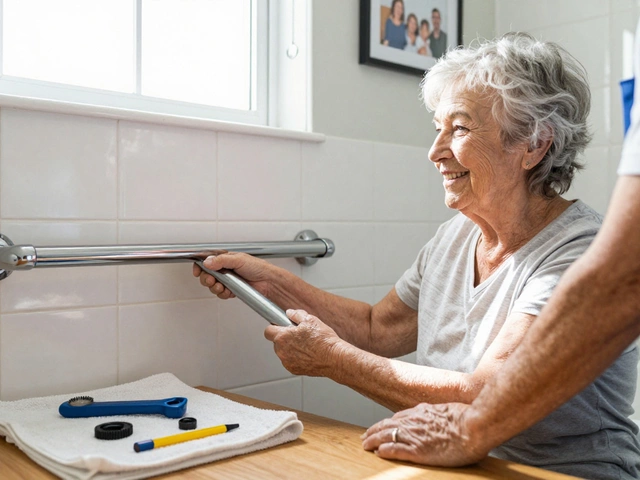
- Installing ramps, grab bars, and accessible showers
- Weatherization and insulation upgrades
- Fixing hazardous flooring or steps
For seniors considering bathroom upgrades, learning about walk-in tub foot massage jet benefits or walk-in tub suction safety features can help you make informed decisions about safety and comfort improvements.
How to Find Local Resources
Locating the right program can take some research. Here are steps to get started:
- Contact your local Area Agency on Aging for a list of resources.
- Visit your city or county housing department website for information on local grants and loans.
- Search for nonprofit organizations in your area that specialize in senior home repairs.
- Ask neighbors, friends, or social workers for recommendations.
Staying proactive and organized will help you secure the support you need for essential home repairs.
Frequently Asked Questions
What types of repairs are usually covered by senior home repair programs?
Most programs cover repairs that address health, safety, and accessibility concerns. This includes fixing roofs, updating electrical and plumbing systems, installing ramps or grab bars, and making homes more energy efficient.
Can renters qualify for home repair assistance?
Generally, these programs are designed for homeowners. However, some local initiatives may offer limited support for renters, especially if modifications are needed for accessibility. It’s best to check with local agencies for specific eligibility.
How can I increase my chances of being approved for assistance?
Prepare all required documentation, apply early, and provide detailed information about your needs. Contacting the administering agency for guidance can also help ensure your application is complete and accurate.
Conclusion
Accessing financial help for senior home repairs can make a significant difference in maintaining a safe and comfortable living environment as you age. By exploring government programs, nonprofit resources, and local initiatives, seniors and their families can find the support they need to address urgent repairs and important modifications. Staying informed and proactive is key to making the most of available assistance and ensuring a secure home for years to come.