
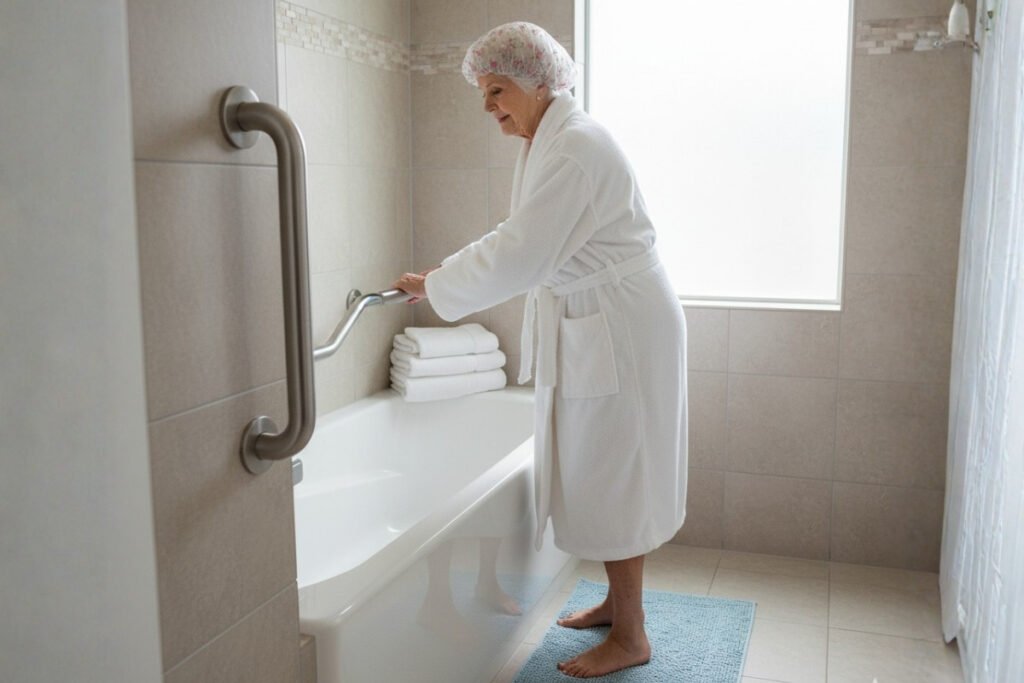
Falls are a leading cause of injury among older adults, making fall recovery prevention strategies essential for anyone involved in senior care. Whether you are a family caregiver, healthcare professional, or aging adult, understanding how to minimize fall risks and support safe recovery can make a significant difference in maintaining independence and quality of life. This article explores practical methods, environmental adjustments, and helpful products that contribute to safer living spaces and empower seniors to stay active and secure.
For those looking to make their homes safer, reviewing an aging in place home improvement checklist is a valuable first step. This resource outlines essential modifications that can reduce hazards and support mobility throughout the home.
Understanding the Importance of Fall Prevention in Senior Living
As people age, changes in balance, strength, and vision can increase the risk of falling. According to the CDC, one in four Americans aged 65 and older falls each year. The consequences can range from minor bruises to serious injuries such as hip fractures or head trauma. Implementing fall recovery prevention strategies is not just about avoiding accidents—it’s about preserving autonomy and reducing the emotional and financial impact of injuries.
Proactive measures, such as regular health assessments and home safety evaluations, are key. Identifying risk factors like medication side effects, chronic conditions, or environmental hazards allows caregivers and seniors to address vulnerabilities before they lead to incidents.
Key Elements of Effective Fall Recovery Prevention Strategies
Comprehensive prevention involves a combination of personal health management, environmental modifications, and the use of assistive devices. Here are several core components:
- Physical activity: Engaging in balance and strength exercises, such as tai chi or gentle yoga, helps maintain muscle tone and coordination.
- Medication review: Consulting with healthcare providers to assess prescriptions can identify drugs that may cause dizziness or drowsiness.
- Vision care: Regular eye exams ensure that seniors have the correct eyewear and can spot obstacles more easily.
- Home safety improvements: Installing grab bars, improving lighting, and removing tripping hazards are practical steps for reducing risk.
For more detailed advice on making bathrooms safer, see the guide on bathroom safety solutions for multigenerational homes.
Environmental Modifications to Reduce Fall Risks
One of the most effective ways to prevent falls is by adapting the living environment. Simple changes can have a big impact:
- Remove loose rugs and clutter from walkways.
- Ensure all rooms, hallways, and staircases are well-lit.
- Install sturdy handrails on both sides of stairs.
- Use non-slip mats in bathrooms and kitchens.
- Place frequently used items within easy reach to avoid unnecessary bending or stretching.
Bathrooms, in particular, are high-risk areas. Installing grab bars in showers and near toilets provides essential support for seniors with limited mobility.
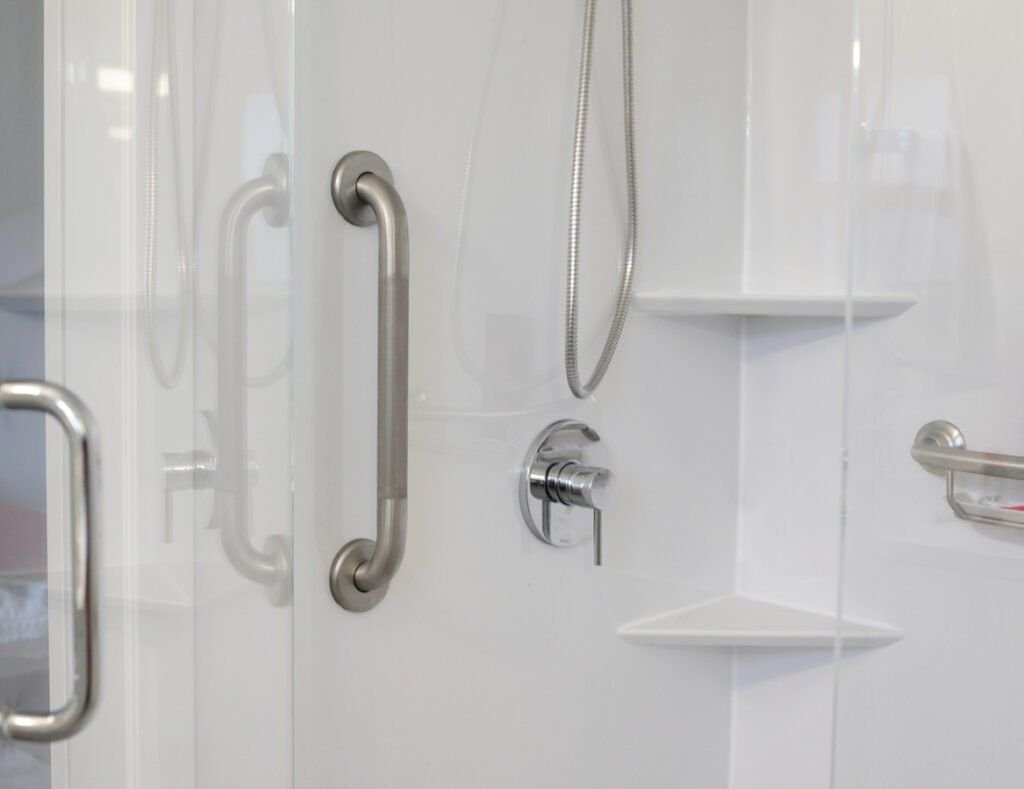
For a comprehensive overview on where to install grab bars, the article useful tips for grab bar placement in your home provides expert recommendations.
Assistive Devices and Products That Support Fall Prevention
In addition to environmental changes, specialized equipment can greatly enhance safety and confidence for seniors. Some of the most effective tools include:
- Grab bars: Installed in showers, bathtubs, and near toilets to offer support during transfers.
- Toilet safety rails: Provide stability when sitting down or standing up.
- Shower chairs and benches: Allow for seated bathing, reducing the risk of slipping.
- Raised toilet seats: Make it easier to use the toilet without excessive bending.
- Non-slip flooring: Reduces the chance of slipping, especially in wet areas.

Choosing the right products can be overwhelming. For guidance on which features to prioritize, the article on bathroom safety features every senior should consider offers practical tips tailored to older adults’ needs.
Supporting Safe Recovery After a Fall
Even with the best prevention measures, falls can still occur. Having a plan for safe recovery is just as important as prevention. Key steps include:
- Encourage seniors not to rush getting up after a fall. Assess for pain or injury before moving.
- If uninjured, use sturdy furniture or installed grab bars to assist in rising slowly.
- Keep emergency contact numbers easily accessible. Consider wearable alert devices for those living alone.
- After any fall, consult a healthcare provider to rule out serious injuries and review causes.
Education is vital. Teaching seniors how to get up safely and when to call for help can reduce anxiety and promote confidence. For more on identifying and managing risks, see understanding fall risks in older adults.
Empowering Seniors and Caregivers with Knowledge
Empowerment comes from knowledge and preparation. Caregivers and seniors should work together to:
- Regularly review safety plans and update home modifications as needed.
- Stay informed about new products and best practices in fall prevention.
- Encourage open communication about fears or challenges related to mobility.
For those considering more extensive changes, exploring bathroom accessibility upgrades that make a difference can further enhance safety and comfort.
FAQ: Fall Recovery and Prevention for Seniors
What are the most effective ways to prevent falls at home?
The most effective methods include removing tripping hazards, installing grab bars and handrails, improving lighting, and using non-slip mats. Regular exercise to maintain strength and balance, as well as routine vision and medication checks, also play a crucial role in reducing fall risk.
How can caregivers help seniors recover safely after a fall?
Caregivers should encourage seniors to remain calm and assess for injuries before attempting to get up. If possible, use sturdy furniture or grab bars for support. If there is any doubt about injury, seek medical help immediately. Reviewing the incident with a healthcare provider can help prevent future falls.
Are grab bars and toilet safety rails really necessary?
Yes, these devices provide essential support in high-risk areas like bathrooms. They help seniors maintain balance and independence, especially when moving from sitting to standing positions. Proper installation and placement are key to maximizing their effectiveness.
How often should home safety be reassessed?
It’s recommended to review home safety at least once a year, or whenever there are changes in health, mobility, or living arrangements. Regular reassessment ensures that new risks are identified and addressed promptly.
Conclusion
Reducing the risk of falls and supporting safe recovery are vital aspects of senior care. By combining personal health management, environmental modifications, and the use of assistive devices, caregivers and older adults can work together to create safer, more supportive living spaces. Staying informed and proactive with fall recovery prevention strategies helps preserve independence and peace of mind for everyone involved.