
Ensuring a safe living environment for older adults is crucial for preventing accidents and promoting independence. Elderly home hazard identification involves systematically reviewing living spaces to spot and address risks that could lead to falls, injuries, or other emergencies. This guide provides practical steps and expert advice to help families, caregivers, and seniors themselves create a safer home.
Many hazards are easy to overlook but can have serious consequences. By understanding the most common risks and how to mitigate them, you can significantly reduce the chance of accidents. Whether you’re updating a loved one’s home or planning for your own future needs, a thorough approach to safety can make a meaningful difference.

For those interested in broader solutions, our resource on home safety for elderly couples offers additional insights into essential upgrades for shared living spaces.
Why Identifying Hazards Matters for Senior Safety
Falls are among the leading causes of injury for older adults. Many of these incidents happen at home and are preventable with proactive measures. Elderly home hazard identification is the first step in creating a living space that supports mobility, reduces anxiety, and encourages independence. By spotting and addressing potential dangers, families can help seniors maintain their quality of life and avoid unnecessary hospital visits.
Common Home Hazards for Older Adults
Some hazards are obvious, while others are subtle and easy to miss. Here are frequent risks found in homes:
- Slippery floors in bathrooms and kitchens
- Loose rugs or carpets that can cause tripping
- Poor lighting in hallways and staircases
- Cluttered walkways or furniture blocking paths
- Unstable chairs or tables
- Lack of handrails on stairs or in bathrooms
- Electrical cords stretched across walking areas
- Hard-to-reach storage, leading to unsafe climbing
Addressing these issues promptly can prevent many common accidents, especially falls, which are a top concern for seniors and their families.
Room-by-Room Hazard Assessment
Conducting a thorough review of each room is the foundation of effective elderly home hazard identification. Below is a breakdown of key areas and what to look for:
Living Room and Hallways
- Remove or secure throw rugs
- Ensure pathways are clear of clutter
- Check that furniture is stable and easy to get in and out of
- Install nightlights or motion-sensor lights for visibility
Stairways
- Install sturdy handrails on both sides
- Keep stairs free of objects
- Use non-slip treads or carpeting
- Make sure lighting is bright and switches are accessible
Kitchen
- Store frequently used items within easy reach
- Clean up spills immediately
- Use non-slip mats near sinks and stoves
- Check that appliances are in good working order
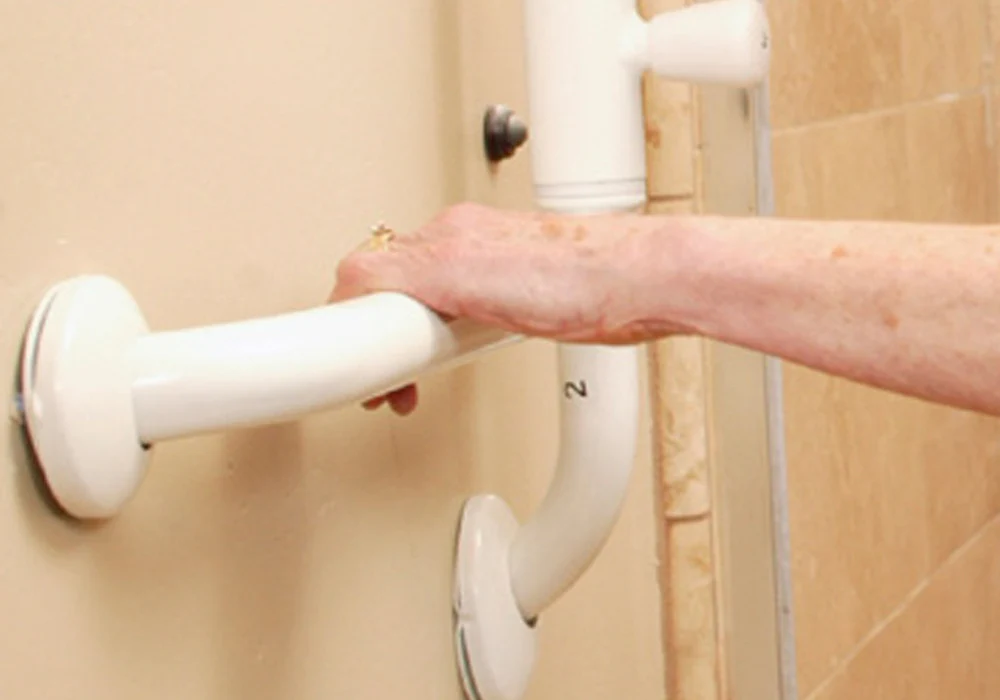
Bathroom
The bathroom is one of the most hazardous areas for seniors. Slippery surfaces, hard fixtures, and limited space all contribute to risk. Consider these steps:
- Install grab bars near the toilet and in the shower
- Use non-slip mats inside and outside the tub
- Ensure the toilet seat is at a comfortable height
- Keep toiletries within easy reach to avoid stretching or bending
For more in-depth advice, our article on bathroom support systems for elderly users explores top product picks and installation tips.

Effective Tools and Upgrades for Safer Homes
Once hazards are identified, implementing the right solutions is key. Some of the most effective upgrades include:
- Installing grab bars in bathrooms and near stairs
- Adding non-slip mats and rugs with secure backing
- Improving lighting with brighter bulbs and motion sensors
- Using raised toilet seats and shower chairs
- Organizing storage to reduce the need for bending or reaching
For step-by-step instructions on installing safety equipment, such as grab bars, consult this grab bar installation guide for practical advice and best practices.
When comparing different mobility aids, our overview on support rails vs other mobility aids can help you choose the best options for your needs.
Checklist for Home Safety Inspections
Regular inspections are a proactive way to maintain a safe environment. Use this checklist to guide your next review:
- Walk through each room and note any tripping hazards
- Test lighting at different times of day
- Check the stability of furniture and handrails
- Look for water leaks or slippery surfaces
- Ensure emergency numbers are easily accessible
- Review medication storage and expiration dates
For more comprehensive strategies, see our article on senior injury prevention at home, which covers core upgrades and ongoing maintenance tips.
Special Considerations for Wet Areas
Bathrooms and kitchens are especially prone to wet floors, which are a leading cause of slips. Using wet floor safety solutions can help minimize these risks. Consider absorbent mats, anti-slip coatings, and regular cleaning routines to keep surfaces dry and safe.
FAQ: Elderly Home Hazard Identification
What are the most common hazards for seniors at home?
The most frequent risks include slippery floors, poor lighting, loose rugs, cluttered walkways, and lack of support rails or grab bars. Regularly reviewing each room helps catch these issues before they cause accidents.
How often should a home be checked for hazards?
It’s best to conduct a full safety assessment at least once a year, or after any major changes in health or mobility. Seasonal checks, especially before winter or after home renovations, are also recommended.
What are some easy upgrades to improve safety?
Simple changes like adding non-slip mats, installing grab bars, improving lighting, and decluttering can make a significant difference. Many of these upgrades are affordable and can be completed in a single afternoon.
Conclusion
Proactively identifying and addressing hazards is essential for supporting the health and independence of older adults. By following the steps outlined in this guide, you can create a safer home environment and reduce the risk of injuries. Regular reviews, practical upgrades, and ongoing awareness are the keys to effective elderly home hazard identification and long-term peace of mind.