
As people age, maintaining independence and safety at home becomes increasingly important. Many older adults face senior mobility challenges at home that can make daily tasks more difficult and increase the risk of falls or injuries. Fortunately, there are practical solutions that can be implemented quickly to improve comfort and security for seniors living independently or with family.
From simple equipment upgrades to thoughtful layout changes, addressing mobility issues doesn’t have to be overwhelming or expensive. This guide covers common obstacles, effective home modifications, and easy-to-install products that make a real difference for older adults. For those seeking a broader approach, our resource on home safety for elderly couples offers additional insights on creating a safer living environment.

Understanding Common Obstacles for Older Adults
Mobility limitations can arise from a variety of factors, such as arthritis, muscle weakness, balance issues, or the aftermath of surgery. These limitations often lead to difficulties with:
- Getting in and out of bed or chairs
- Moving safely between rooms
- Using the bathroom independently
- Navigating stairs or uneven surfaces
- Reaching for items in high or low places
Recognizing these challenges is the first step to making meaningful improvements. Even minor changes can significantly reduce risks and enhance quality of life for seniors.
Quick Home Modifications for Safer Living
There are several straightforward modifications that can help address mobility challenges for seniors at home. Many of these solutions can be installed without professional help and require minimal investment.
Install Grab Bars and Support Rails
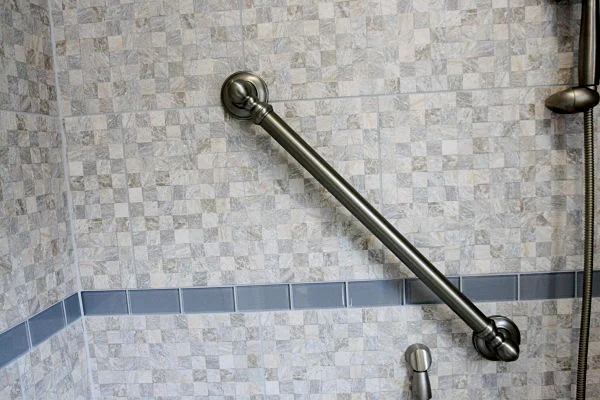
One of the most effective ways to boost safety is by adding grab bars in key locations. Bathrooms, hallways, and near beds are prime spots where extra support can prevent slips and falls. For a detailed overview of where and how to install these aids, the room-by-room guide to grab bars provides practical advice.
Support rails are also essential for stairways and entryways. They offer stability and confidence, especially for those with balance concerns. For a comparison of different types of aids, see our analysis on support rails vs other mobility aids.
Improve Bathroom Accessibility
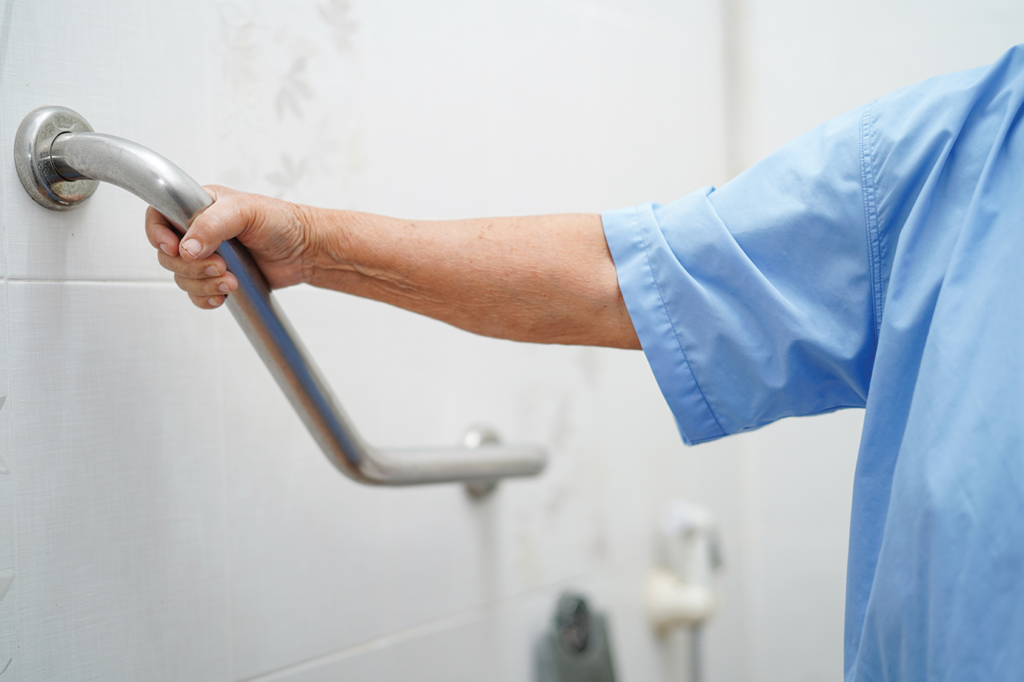
Bathrooms are a common site for falls due to slippery surfaces and awkward movements. Installing non-slip mats, raised toilet seats, and shower benches can make a significant difference. Grab bars near the toilet and in the shower provide crucial support. Explore more on bathroom assistance technology for elderly for additional solutions tailored to older adults.
Reduce Tripping Hazards and Improve Lighting
Loose rugs, cluttered pathways, and poor lighting are frequent causes of falls. To minimize risks:
- Remove or secure area rugs with non-slip backing
- Keep walkways clear of cords, furniture, and clutter
- Install nightlights in hallways and bathrooms
- Use brighter bulbs and add lamps where needed
These small adjustments can make a home much safer for seniors with mobility concerns.
Choosing the Right Products for Mobility Support
When selecting equipment to address mobility challenges for seniors at home, focus on quality, ease of installation, and suitability for the user’s specific needs. Some top options include:
- Grab bars: Available in various lengths and finishes for bathtubs, showers, and hallways
- Toilet safety rails: Offer stability when sitting or standing
- Shower chairs and transfer benches: Make bathing safer and more comfortable
- Bed rails: Prevent falls during the night and assist with getting in and out of bed
- Reachers and grabbers: Help retrieve items from high shelves or the floor
For more recommendations, see our guide to bathroom support systems for elderly users.
Simple Daily Habits That Support Mobility
In addition to home modifications, certain routines can help seniors maintain strength and flexibility:
- Engage in gentle exercises like walking or chair yoga
- Wear supportive, non-slip footwear indoors
- Keep essential items within easy reach to avoid unnecessary stretching or bending
- Ask for assistance when moving heavy or awkward objects
Combining these habits with practical upgrades creates a safer, more comfortable home environment.
When to Seek Professional Help
While many fixes can be done independently, some situations call for expert advice. Occupational therapists can assess the home and recommend tailored modifications. Contractors experienced in accessibility can install ramps, widen doorways, or make other structural changes if needed. For broader safety strategies, our article on senior injury prevention at home provides additional tips.
Frequently Asked Questions
What are the most important areas to address for senior safety at home?
Focus on bathrooms, stairways, and entryways, as these are common sites for slips and falls. Adding grab bars, improving lighting, and removing tripping hazards in these areas can greatly reduce risks.
How can I make a bathroom safer for an older adult?
Install non-slip mats, grab bars near the toilet and shower, and consider a raised toilet seat or shower bench. Ensure the floor stays dry and keep essential items within easy reach.
Are grab bars difficult to install?
Many grab bars are designed for easy installation with basic tools. Some models use strong adhesive or suction for temporary placement, while others require screws for a more permanent solution. Always follow the manufacturer’s instructions for safety.
Do I need to remodel my home to address mobility issues?
Not necessarily. Many effective solutions, such as grab bars, safety rails, and non-slip mats, can be added without major renovations. For more extensive needs, consult a professional for advice on larger modifications.
Where can I find more resources on home safety for seniors?
Explore our related guides on home safety for elderly couples and bathroom assistance technology for elderly for further tips and product recommendations.