
Staying active and independent is a top priority for many older adults. As we age, changes in balance, strength, and flexibility can make everyday movement more challenging. Mobility aids for aging adults offer practical solutions to help seniors move safely and confidently at home and in the community. With so many options available, it’s important to understand which devices best suit different needs and living environments.
Whether you’re researching for yourself or a loved one, this guide covers the most effective types of support equipment, their benefits, and how to choose the right products. For those interested in broader home safety upgrades, resources like home safety for elderly couples offer additional insights on essential modifications for aging in place.

Why Mobility Supports Matter for Older Adults
Falls are a leading cause of injury among seniors. According to the CDC, one in four adults over 65 experiences a fall each year. The right mobility aids for aging adults can significantly reduce this risk by providing stability, support, and confidence during daily activities. These devices also help maintain independence, allowing seniors to perform tasks like walking, bathing, and using the restroom safely.
Beyond physical safety, using appropriate equipment can boost mental well-being by reducing anxiety about falls and encouraging more active lifestyles. For those living alone or with limited assistance, these tools are especially valuable for supporting self-reliance.
Most Popular Types of Mobility Aids for Aging Adults
There is a wide range of products designed to address different mobility challenges. Here’s an overview of the most common and effective options:
- Canes: Ideal for individuals who need minimal support, canes help with balance and stability during walking. They come in various styles, including single-point and quad canes for added steadiness.
- Walkers: For those needing more substantial assistance, walkers provide a broader base of support. Standard walkers require lifting, while wheeled models glide smoothly and are easier for those with limited strength.
- Rollators: These are walkers with wheels and built-in seats, allowing users to rest when needed. Rollators are great for outdoor use and longer distances.
- Wheelchairs: For seniors with significant mobility limitations, manual or powered wheelchairs offer full support for moving around both indoors and outdoors.
- Bathroom safety equipment: Devices like grab bars, toilet safety rails, and shower chairs prevent slips and falls in wet environments, which are common risk areas for older adults.
Choosing the right device depends on the user’s strength, balance, and specific needs. Consulting with a healthcare professional or occupational therapist can help determine the most suitable solution.
Essential Bathroom Safety Devices
The bathroom is one of the most hazardous areas for seniors due to slippery surfaces and tight spaces. Installing mobility aids for aging adults in this environment is crucial for injury prevention. Some of the most effective products include:
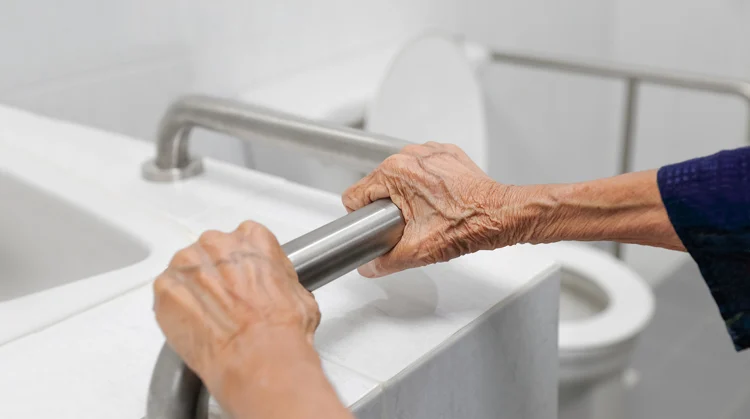
- Grab bars: Securely mounted bars near the toilet and in the shower provide a stable handhold for sitting, standing, and moving safely.
- Toilet safety rails: These rails offer extra support for lowering onto and rising from the toilet, reducing strain on joints and minimizing fall risk.
- Non-slip mats: Placing these on the shower floor and outside the tub helps prevent accidental slips.
- Shower chairs: Allowing users to sit while bathing increases comfort and safety, especially for those with balance issues.
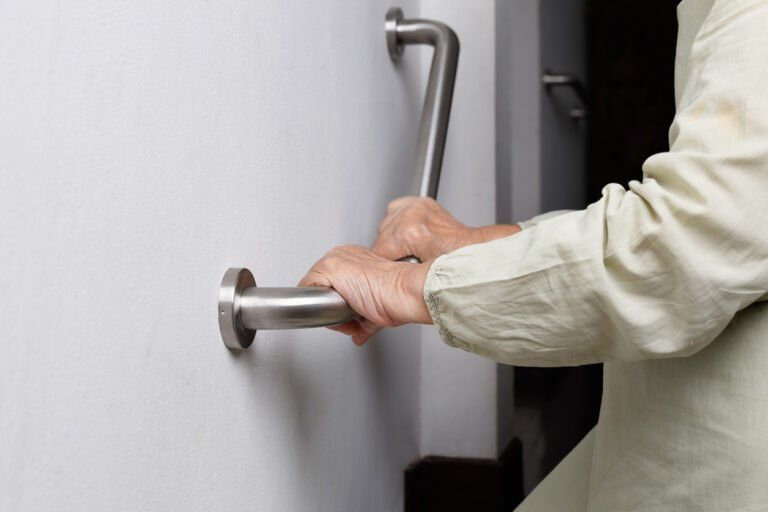
For a comprehensive look at bathroom safety, see this comprehensive guide on the importance of bathroom grab bars for elderly safety. These upgrades are simple to install and can make a significant difference in daily comfort and security.
Preventing Falls with Home Modifications
Adapting the home environment is just as important as using personal mobility devices. Simple changes can greatly reduce hazards and support safe movement throughout the house. Key strategies include:
- Removing loose rugs and clutter from walkways
- Improving lighting in hallways and staircases
- Adding handrails on both sides of stairs
- Using contrasting tape or paint on steps for better visibility
- Installing ramps for wheelchair or walker access
For more ideas on keeping living spaces safe, explore senior injury prevention at home and wet floor safety solutions. These resources provide actionable tips for minimizing risks and supporting independent living.
Choosing the Right Mobility Support
Selecting the best mobility aids for aging adults involves considering several factors:
- Level of assistance needed: Assess whether the user requires minimal balance support or full weight-bearing help.
- Home layout: Consider the width of doorways, presence of stairs, and available space for maneuvering devices.
- Personal preferences: Some seniors may prefer more discreet aids, while others prioritize comfort or ease of use.
- Medical advice: Consulting with a doctor or physical therapist ensures the chosen device matches the user’s health status and abilities.
It’s also helpful to test different products before making a final decision. Many medical supply stores offer demonstrations or short-term rentals. For a comparison of different support options, see this analysis of support rails vs other mobility aids.
Maintaining Independence and Quality of Life
Using mobility equipment is not just about safety—it’s about preserving dignity and freedom. With the right tools and home modifications, seniors can continue enjoying daily routines, hobbies, and social activities. Family members and caregivers should encourage open conversations about mobility needs and support regular assessments as conditions change.
For those seeking a comprehensive approach to aging in place, senior home safety essentials covers must-have upgrades for independent living. Combining these strategies with the appropriate mobility devices creates a safer, more comfortable environment for everyone.
Frequently Asked Questions
What are the most important mobility aids for seniors living alone?
For those living independently, essential devices include canes or walkers for daily movement, grab bars in the bathroom, and toilet safety rails. These products address the most common risk areas and help prevent falls. It’s also wise to consider non-slip mats and improved lighting throughout the home.
How do I know which mobility device is right for my needs?
The best way to choose is to consult with a healthcare provider or occupational therapist. They can assess your balance, strength, and home environment to recommend the most suitable options. Trying out different aids in-store or through short-term rentals can also help you find the most comfortable and effective solution.
Are bathroom grab bars difficult to install?
Most grab bars are designed for straightforward installation, either with screws into wall studs or with specialized mounting kits for tile or fiberglass. For maximum safety, professional installation is recommended, especially in wet environments. For more details, refer to this comprehensive guide on bathroom grab bars for elderly safety.