
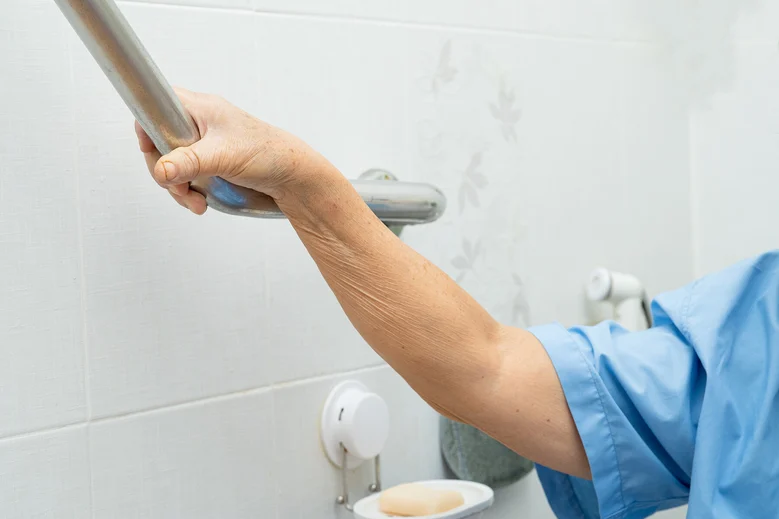
Choosing the right mobility aid is a crucial step for anyone facing challenges with balance, strength, or movement. Whether you’re recovering from surgery, living with a chronic condition, or simply seeking more independence at home, understanding the differences between support rails and other mobility aids can help you make a safer, more comfortable choice. This article explores the unique benefits, limitations, and best-use scenarios for support rails, walkers, canes, and other common aids, giving you the information needed to select the most suitable option for your needs.
For those specifically interested in bathroom safety, support rails and grab bars are often the first solution considered. However, it’s important to compare these with alternatives like transfer benches, shower chairs, and portable frames. If you’re also looking to improve accessibility in other areas, you may find value in learning about how to maximize space in a walk-in shower for a safer and more convenient bathing environment.
Understanding Support Rails: Features and Benefits
Support rails, also known as grab bars or safety rails, are fixed or portable devices installed in key areas of the home, such as bathrooms, hallways, and stairways. Their primary purpose is to provide a stable handhold for individuals who need extra support when standing, sitting, or moving between positions.
- Stability: Support rails offer a secure grip, reducing the risk of slips and falls, especially in wet environments like showers and near toilets.
- Independence: By providing reliable support, these rails allow users to perform daily activities with less assistance.
- Customization: Available in various lengths, shapes, and mounting options (wall-mounted, floor-to-ceiling, suction-based), support rails can be tailored to specific needs and spaces.
- Low Maintenance: Once installed, grab bars require minimal upkeep and can last for years.
Proper installation is essential for safety. For step-by-step instructions, consult a comprehensive grab bar installation guide to ensure your rails are secure and effective.
Comparing Support Rails with Other Mobility Aids
When weighing support rails vs other mobility aids, it’s helpful to understand how each device supports mobility and safety in different scenarios.
Walkers and Rollators
Walkers and rollators are portable aids designed to support users as they move around the home or outdoors. Unlike fixed support rails, these devices travel with the user, providing continuous support during walking.
- Pros: Offer stability for those with significant balance issues; some models include seats and storage.
- Cons: Bulky, may not fit in tight spaces like bathrooms; require upper body strength to maneuver.
- Best For: Individuals who need assistance over longer distances or throughout the day.
Canes and Walking Sticks
Canes are lightweight, portable aids that provide minimal support for balance and stability. They are less intrusive than walkers but also offer less support.
- Pros: Easy to transport; suitable for minor balance issues.
- Cons: Limited support; not suitable for those with significant mobility challenges.
- Best For: Users who need occasional assistance, especially on uneven surfaces or stairs.
Transfer Benches and Shower Chairs
For those with limited mobility in the bathroom, transfer benches and shower chairs provide a safe place to sit while bathing. These aids are often used in conjunction with support rails for maximum safety.
- Pros: Reduce risk of falls in wet environments; support users who cannot stand for long periods.
- Cons: Take up space; may require assistance to position safely.
- Best For: Individuals with severe balance or strength issues, especially during bathing.
Key Considerations When Choosing Mobility Aids
To determine which solution is best for your needs, consider the following factors:
- Environment: Where will the aid be used most often? Bathrooms, bedrooms, and hallways may require different solutions.
- Level of Support Needed: Assess whether you need help standing, walking, or both.
- Portability: Do you need a fixed device (like a grab bar) or something you can take with you (like a cane)?
- Installation: Are you able to install permanent fixtures, or do you need temporary, non-invasive options?
- Personal Strength and Dexterity: Some aids require more upper body strength or coordination than others.
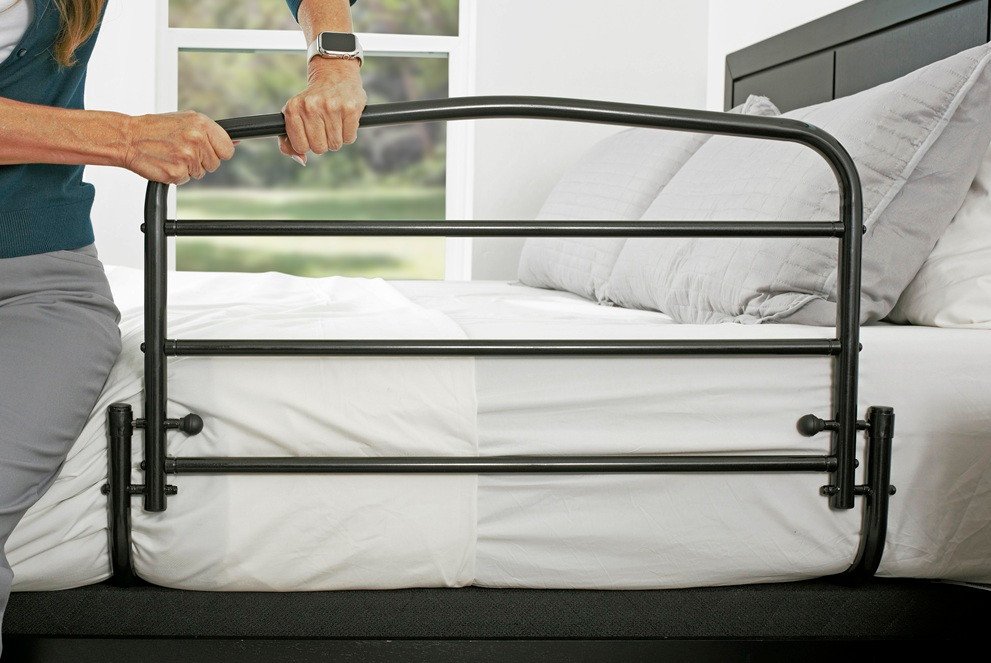
Advantages of Support Rails Over Other Devices
Support rails offer several unique benefits compared to portable mobility aids:
- Permanent Stability: Once installed, grab bars provide unwavering support, especially in high-risk areas like bathrooms and near stairs.
- Discreet Design: Many support rails blend seamlessly with home décor, unlike some bulkier aids.
- No Need for Storage: Fixed rails are always available when needed, with no risk of misplacement.
- Enhanced Bathroom Safety: In wet or slippery conditions, a grab bar can be the difference between a safe transfer and a dangerous fall.
For those with low vision or who need extra safety in the shower, consider learning about walk-in shower lighting for low vision users to further reduce hazards.
Limitations and When to Consider Other Mobility Aids
While support rails are highly effective in fixed locations, they may not be suitable for every situation:
- Limited Range: Support rails only assist in the area where they are installed. They do not help with walking between rooms or outside the home.
- Installation Requirements: Some homes may not have suitable walls or surfaces for secure installation. Renters may face restrictions.
- Not Portable: Unlike canes or walkers, support rails cannot be taken on outings or used in unfamiliar environments.
For those who need mobility support throughout the home or when traveling, a combination of aids—such as a walker for daily movement and grab bars for bathroom safety—may be the best solution.
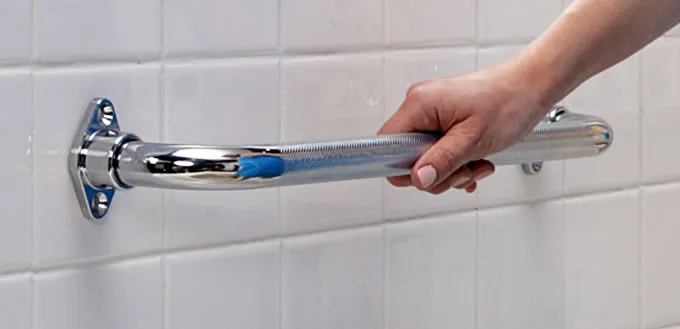
Combining Mobility Aids for Maximum Safety
Many people find that using more than one type of mobility aid offers the best balance of safety and independence. For example, installing support rails in the bathroom and near stairs, while using a walker or cane for movement between rooms, can address a wider range of needs. Consulting with a healthcare provider or occupational therapist can help you assess your home and daily routine to create a personalized safety plan.
For those interested in further optimizing their bathroom setup, exploring walk-in tub door gasket materials and longevity can help you make informed decisions about additional safety features.
FAQ: Support Rails and Mobility Aid Choices
Where should support rails be installed for maximum safety?
Support rails are most effective when placed in high-risk areas such as beside toilets, inside showers or tubs, near beds, and along stairways. The exact placement will depend on the user’s needs and the layout of the home. Consulting a professional installer or occupational therapist can help determine the safest locations.
Can support rails be used in rental properties?
Many landlords allow the installation of grab bars, especially if they improve tenant safety. However, always check your lease and get written permission before making modifications. For temporary solutions, consider suction-based grab bars or tension-mounted rails that do not require drilling.
How do I choose between a walker, cane, or support rail?
The choice depends on your mobility challenges, environment, and preferences. Walkers offer the most support for walking, canes are lightweight for minor balance issues, and support rails provide fixed stability in specific locations. Often, a combination of these aids is the most effective approach.
Are there alternatives to support rails for bathroom safety?
Yes, alternatives include shower chairs, transfer benches, and raised toilet seats. These can be used alongside grab bars for added security. For more tips on bathroom safety, see our guide on how to troubleshoot walk-in tub jet noise.
Conclusion
Both support rails and other mobility aids play essential roles in maintaining safety and independence for individuals with mobility challenges. By understanding the strengths and limitations of each option, you can make informed decisions that suit your lifestyle and environment. Whether you choose fixed grab bars, portable walkers, or a combination of aids, prioritizing safety and comfort will help you or your loved ones stay confident and secure at home.