Many older adults face challenges maintaining their homes as they age, especially when it comes to repairs and safety upgrades. Understanding eligibility for senior home repair assistance is crucial for those seeking support to remain safe and independent in their own homes. This article provides a comprehensive overview of the requirements, types of programs available, and how to determine if you or a loved one can qualify for these valuable resources.
Navigating the landscape of home repair programs can be overwhelming. There are federal, state, and local initiatives, each with unique criteria and benefits. By learning about the main factors that influence qualification, you can make informed decisions and access the help needed for essential home improvements.
For those interested in improving bathroom safety, you may also find our guide on walk-in shower grab bar weight ratings helpful, especially if you are considering accessibility upgrades as part of your home repair needs.
Key Factors That Determine Qualification
The requirements for receiving home repair support for seniors can vary widely depending on the program and location. However, several core factors are commonly used to assess eligibility:
- Age: Most programs require applicants to be at least 60 or 62 years old, though some may set the minimum at 55.
- Income: Many initiatives are designed for low- or moderate-income households. Applicants must typically provide proof of income, such as tax returns or benefit statements.
- Homeownership: Assistance is usually limited to those who own and occupy their home as a primary residence. Renters may be eligible for certain accessibility modifications with landlord approval.
- Type of Repairs Needed: Programs often prioritize essential repairs that address health, safety, or accessibility, such as fixing roofs, electrical systems, plumbing, or installing grab bars and ramps.
- Location: Some resources are only available in specific cities, counties, or rural areas. Your address may determine which programs you can access.
Types of Home Repair Programs for Older Adults
There are several types of initiatives that provide financial or practical assistance for home repairs. Understanding the differences can help you target the right options for your situation.
Government Grants and Loans
Federal and state agencies offer a range of support options. For example, the USDA Section 504 Home Repair program provides grants to very low-income homeowners aged 62 and older in rural areas, while the U.S. Department of Housing and Urban Development (HUD) funds local programs that assist with repairs and modifications.
In addition to grants, some programs offer low-interest loans for larger projects. These loans may have flexible repayment terms and are often designed to be affordable for seniors on fixed incomes.
Nonprofit and Community-Based Resources
Many nonprofit organizations, such as Rebuilding Together, provide free or low-cost repairs for older adults who meet certain criteria. These groups often focus on critical safety improvements and accessibility modifications, working with volunteers and local contractors to complete the work.
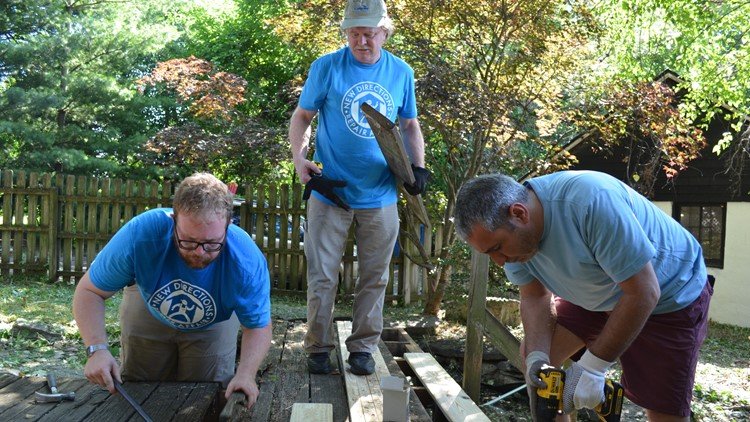
Community development agencies and local governments may also run home repair initiatives for seniors, often funded by federal or state grants. These programs can include weatherization, energy efficiency upgrades, and emergency repairs.
Documentation and Application Process
To apply for home repair assistance, you will generally need to gather several documents:
- Proof of age (such as a driver’s license or birth certificate)
- Proof of income (tax returns, Social Security statements, pension documents)
- Proof of homeownership (deed, mortgage statement, or property tax bill)
- Documentation of the needed repairs (photos, contractor estimates, or inspection reports)
The application process may involve filling out forms, submitting documentation, and sometimes participating in a home inspection. Processing times can vary, so it’s wise to apply as soon as you identify a need.
Common Barriers and How to Overcome Them
While many older adults qualify for some form of assistance, there are common challenges that can delay or prevent approval:
- Incomplete Applications: Missing paperwork or unclear documentation can slow down the process. Double-check all requirements before submitting.
- Income Above Limits: If your income is slightly over the threshold, ask if there are exceptions or sliding scales. Some programs have flexibility for medical expenses or other factors.
- Limited Funding: Many programs operate on a first-come, first-served basis and may run out of funds before all applicants are served. Apply early and consider multiple programs.
- Geographic Restrictions: If you don’t qualify for local programs, explore state or national options, or look for nonprofit organizations that serve broader areas.

Tips for Improving Your Chances of Approval
To maximize your likelihood of receiving support, consider these practical steps:
- Research all available programs in your area, including city, county, state, and nonprofit resources.
- Prepare all required documents in advance and keep copies for your records.
- Be clear and specific about the repairs needed and how they impact your health, safety, or ability to remain at home.
- Follow up with program administrators if you do not hear back within the expected timeframe.
- Seek help from local senior centers, Area Agencies on Aging, or social service organizations if you need assistance with the application process.
If your needs include bathroom safety or accessibility, you may also want to read about walk-in tub frame construction types to help you plan for future upgrades.
Frequently Asked Questions
What types of repairs are typically covered by senior home repair programs?
Most programs focus on critical repairs that address health and safety, such as fixing roofs, electrical hazards, plumbing issues, installing ramps, grab bars, or making bathrooms accessible. Cosmetic upgrades are usually not covered.
Can renters qualify for home repair assistance?
While most initiatives prioritize homeowners, some programs offer accessibility modifications for renters with the landlord’s approval. It’s important to check the specific guidelines of each program.
How long does it take to get approved for assistance?
Approval times vary depending on the program, demand, and completeness of your application. Some may respond within a few weeks, while others can take several months, especially if funding is limited.
Conclusion
Understanding the eligibility for senior home repair assistance can open doors to safer, more comfortable living for older adults. By researching available programs, preparing documentation, and applying early, you can improve your chances of receiving the support you need. For more information about related home safety topics, explore our articles on understanding walk-in tub warranty terms and are walk-in tubs covered by insurance to help you make informed decisions about home modifications.