

Choosing the right lighting for color visibility is essential in both residential and commercial spaces. Proper illumination not only helps people distinguish colors more accurately but also plays a significant role in overall safety. Whether you’re designing a bathroom, kitchen, or workspace, understanding how different lighting types affect color perception can make daily tasks easier and environments safer for everyone.
Many people overlook the impact that lighting has on both the appearance of colors and the ability to navigate spaces safely. Inadequate or poorly chosen lighting can lead to misjudged steps, difficulty reading labels, or even accidents, especially for those with vision challenges. By focusing on the right lighting solutions, you can create spaces that are both visually appealing and secure.
For those interested in home modifications that support accessibility and safety, understanding the importance of proper lighting is as crucial as knowing about walk-in shower grab bar weight ratings. Both elements contribute to a safer and more comfortable living environment.
Why Proper Illumination Matters for Color Perception
The way we see color depends heavily on the quality and type of light in a space. Natural daylight is often considered the gold standard for color accuracy, but it’s not always available indoors or at night. Artificial lighting, when chosen wisely, can closely mimic daylight and ensure that colors appear true to life.
Inadequate lighting can distort colors, making it difficult to distinguish between similar shades. This is particularly important in areas where color differentiation is critical, such as in kitchens (to identify food freshness), bathrooms (for grooming), or workshops (for crafts and repairs). Good lighting also reduces eye strain and helps prevent mistakes that could lead to safety hazards.
Types of Lighting That Improve Color Recognition
There are several types of artificial lighting, each with its own strengths and weaknesses when it comes to enhancing color visibility. Understanding these options can help you select the best fixtures and bulbs for your needs.
- LED Lighting: Modern LED bulbs are available in a range of color temperatures and high Color Rendering Index (CRI) ratings, making them ideal for spaces where accurate color perception is important.
- Fluorescent Lighting: While energy-efficient, some fluorescent bulbs can cast a greenish or bluish tint, which may distort certain colors. Opt for full-spectrum or high-CRI versions for better results.
- Halogen Bulbs: These provide a warm, white light that closely resembles natural daylight and offers excellent color rendering, though they are less energy-efficient than LEDs.

Key Features to Look for in Lighting for Color Visibility
When selecting lighting to enhance color accuracy and safety, focus on the following features:
- Color Rendering Index (CRI): A higher CRI (above 80, ideally 90+) means the light source will show colors more accurately compared to natural light.
- Color Temperature: Measured in Kelvins (K), this determines whether the light feels warm (2700K–3000K), neutral (3500K–4100K), or cool (5000K–6500K). For most tasks, a neutral to cool white light (4000K–5000K) is best for clarity and color distinction.
- Uniformity: Evenly distributed light reduces shadows and glare, making it easier to see colors and navigate safely.
- Adjustability: Dimmable fixtures and adjustable lamps allow you to tailor light levels to specific tasks or times of day.
Enhancing Safety with Thoughtful Lighting Choices
Beyond color accuracy, the right lighting setup can significantly improve safety throughout the home or workplace. Well-lit pathways, stairs, and entryways help prevent trips and falls. In bathrooms and kitchens, bright and even lighting allows for safer handling of tools, appliances, and personal care routines.
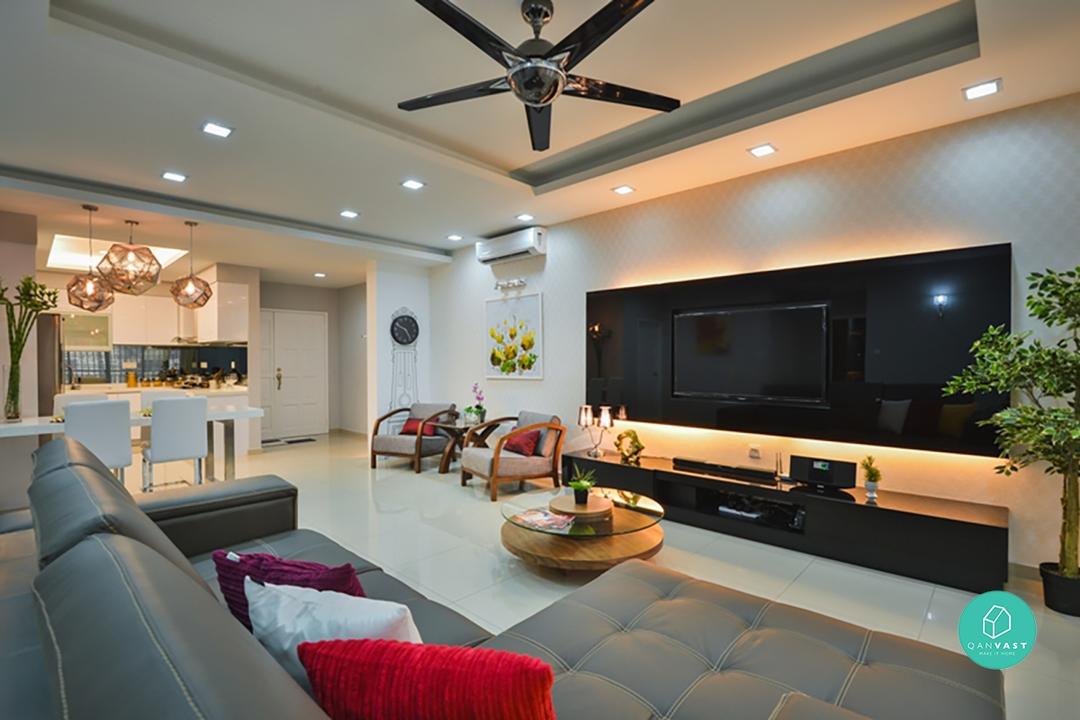
Motion sensor night lights are especially helpful in hallways and bathrooms, providing instant illumination when needed without fumbling for switches. Recessed LED fixtures can offer broad, shadow-free coverage in larger rooms, making them a practical choice for both new builds and renovations.
Best Practices for Installing Lighting That Supports Color and Safety
To maximize the benefits of your lighting choices, consider these practical installation tips:
- Layer Your Lighting: Combine ambient, task, and accent lighting to create a balanced environment. For example, use ceiling fixtures for general illumination, under-cabinet lights for work surfaces, and wall sconces for added depth.
- Position Fixtures Strategically: Place lights to minimize shadows and glare, especially in high-use areas like bathrooms and kitchens.
- Use Dimmers and Sensors: Dimmable switches and motion sensors add flexibility and convenience, ensuring optimal light levels at all times.
- Regular Maintenance: Keep fixtures clean and replace bulbs as needed to maintain consistent brightness and color accuracy.
Integrating Lighting With Other Home Safety Features
Lighting is just one aspect of a safe and accessible home. Pairing high-quality illumination with other safety upgrades, such as grab bars, non-slip flooring, and accessible fixtures, creates a comprehensive approach to well-being. For example, if you’re considering upgrades in the bathroom, you might also want to learn about walk-in tub frame construction types to further enhance safety and comfort.
Frequently Asked Questions
What is the best type of lighting for seeing colors accurately?
The most effective lighting for accurate color perception is LED with a high Color Rendering Index (CRI) of 90 or above. These lights come in various color temperatures and are energy-efficient, making them suitable for most areas where color distinction is important.
How does lighting affect safety in the home?
Proper illumination reduces the risk of accidents by making hazards more visible, especially in areas like stairs, hallways, and bathrooms. Motion sensor lights and evenly distributed fixtures help prevent trips and falls, particularly at night or for those with limited vision.
How can I improve both color visibility and safety in my bathroom?
Use bright, high-CRI LED fixtures and consider adding motion sensor night lights for nighttime navigation. Combine these with other safety features such as non-slip mats and sturdy grab bars to create a secure and user-friendly space.
Does the color temperature of a bulb matter for color visibility?
Yes, color temperature affects how colors appear. Neutral to cool white bulbs (4000K–5000K) are generally best for tasks that require clear color differentiation, while warmer bulbs (2700K–3000K) create a cozy atmosphere but may not show colors as vividly.
Conclusion
Selecting the right lighting for color visibility is a practical way to enhance both the look and safety of any space. By focusing on high-CRI, well-placed fixtures and integrating them with other safety features, you can create environments that are both beautiful and secure. Whether you’re updating a bathroom, kitchen, or any other area, thoughtful lighting choices make everyday living easier and safer for everyone.