As people age, maintaining independence and safety at home becomes increasingly important. Making thoughtful adjustments to living spaces can significantly enhance comfort, mobility, and peace of mind for older adults. This guide explores practical ways to adapt homes for aging in place, focusing on essential home accessibility improvements for seniors that reduce fall risks, improve usability, and support daily living.
Whether you are planning ahead for yourself or helping a loved one, understanding which modifications offer the greatest impact is key. From simple upgrades like grab bars to more substantial renovations such as stairlifts, a range of solutions can help create a safer, more accessible environment. For those interested in technical details about bathroom safety, you may want to review walk-in shower grab bar weight ratings to ensure proper support in high-risk areas.
Why Home Modifications Matter for Aging Adults
Many older adults prefer to remain in their own homes as they age, a concept known as “aging in place.” However, traditional home layouts often present challenges for those with reduced mobility, vision, or strength. Falls are a leading cause of injury among seniors, and many accidents occur in familiar environments. Implementing accessibility upgrades can help prevent these incidents and support a higher quality of life.
Beyond safety, these changes can also foster greater independence, reduce reliance on caregivers, and provide reassurance to family members. By proactively addressing potential hazards, seniors can continue enjoying their homes with confidence.
Key Areas for Home Accessibility Upgrades
Prioritizing which areas to modify depends on individual needs, but certain parts of the home are especially important. Below are some of the most impactful home accessibility improvements for seniors to consider:
- Entrances and Exits: Steps, uneven thresholds, and narrow doorways can be significant barriers. Installing ramps, widening doorways, and adding lever-style handles make coming and going much easier.
- Bathrooms: Slippery surfaces and limited support increase fall risk. Consider walk-in tubs, non-slip flooring, and sturdy grab bars. For more on bathroom safety, explore walk-in tub frame construction types to understand structural options.
- Stairways: Stairs can become difficult or dangerous. Solutions include stairlifts, handrails on both sides, and improved lighting.
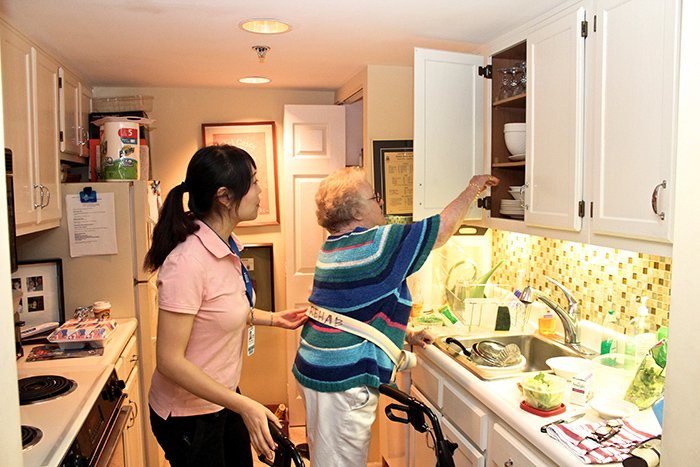
- Kitchens: Lowering countertops, ensuring clear pathways, and organizing frequently used items within easy reach can make meal preparation safer and more manageable.
- General Living Spaces: Removing tripping hazards, improving lighting, and rearranging furniture for clear movement paths are simple but effective strategies.
Essential Safety Devices and Smart Solutions
In addition to physical modifications, technology can play a valuable role in supporting seniors at home. Emergency alert systems, voice-activated assistants, and smart lighting can all contribute to a safer environment. For example, an elderly SOS alert system allows users to call for help with the push of a button, providing peace of mind for both seniors and their families.
Additional helpful devices include:
- Motion-sensor lights in hallways and bathrooms
- Video doorbells and remote locks for added security
- Automatic shut-off devices for stoves and appliances
- Medication dispensers with reminders
These solutions can be tailored to individual needs and budgets, making it easier for seniors to remain independent and safe in their own homes.
Making Stairs and Multi-Level Homes Safer
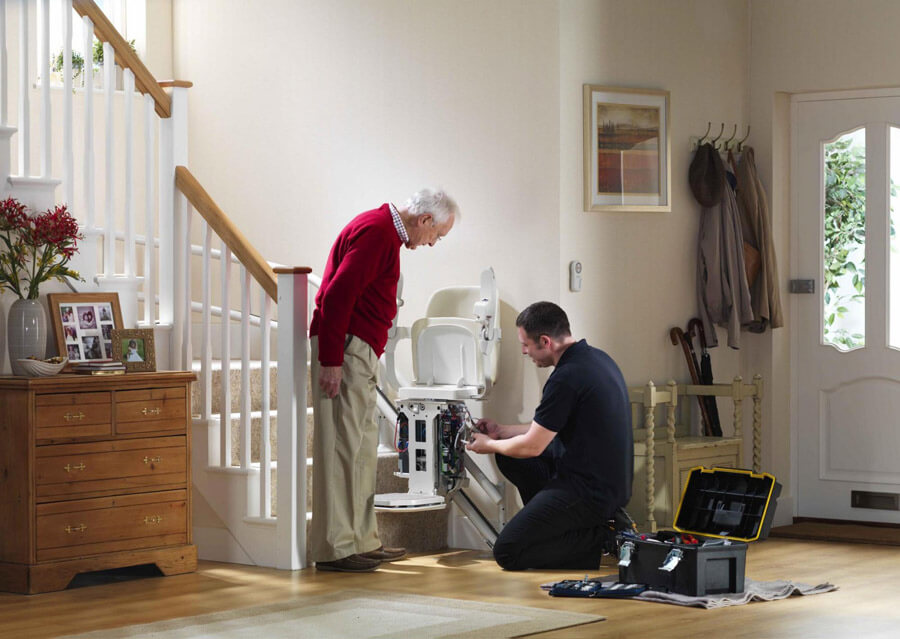
Navigating stairs is a common challenge for older adults. Installing a stairlift is one of the most effective home accessibility improvements for seniors in multi-level houses. Stairlifts provide a secure, comfortable way to move between floors, reducing the risk of falls and eliminating the need to relocate to a single-level home.
Additional stairway enhancements include:
- Non-slip treads or carpeting
- Contrasting color strips on step edges for better visibility
- Bright, glare-free lighting
- Handrails on both sides of the staircase
Funding and Support for Accessibility Projects
The cost of making a home safer for seniors can vary widely depending on the scope of the project. Some improvements, like adding grab bars or better lighting, are relatively inexpensive. Larger projects, such as installing a stairlift or remodeling a bathroom, may require a more significant investment.
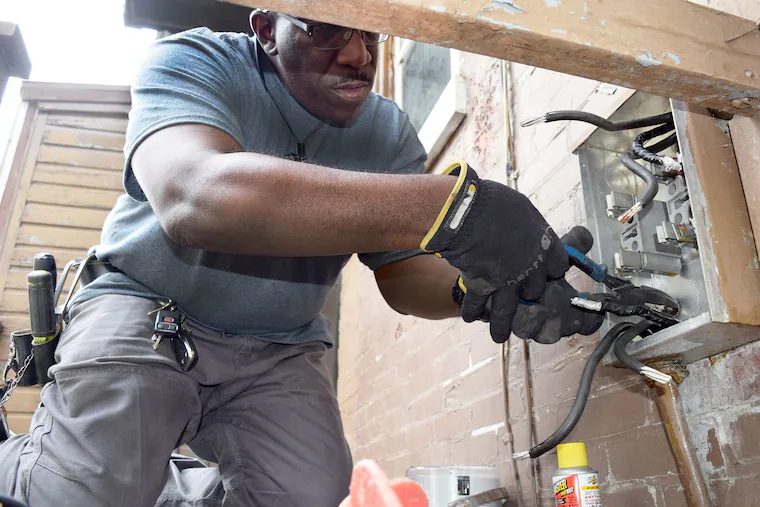
Financial assistance may be available through local government programs, nonprofit organizations, or insurance. For example, Rebuilding Together is a national nonprofit that helps low-income homeowners, including seniors, with critical home repairs and accessibility modifications.
Before starting any project, it’s wise to consult with an occupational therapist or certified aging-in-place specialist. These professionals can assess the home and recommend the most effective changes for specific needs.
Maintaining Accessibility Over Time
Needs change as people age, so it’s important to regularly review and update home modifications. Periodic assessments can identify new risks or opportunities for improvement. Staying proactive ensures that the home continues to meet the evolving requirements of its residents.
For those considering additional upgrades, learning about understanding walk-in tub warranty terms can help protect your investment in bathroom safety features.
Frequently Asked Questions
What are the most important home modifications for seniors?
The most impactful changes typically include installing grab bars in bathrooms, adding ramps or stairlifts, improving lighting, removing tripping hazards, and ensuring that frequently used items are within easy reach. Each home and individual is different, so a personalized assessment is recommended.
How can I make a bathroom safer for an older adult?
Key steps include adding non-slip mats or flooring, installing grab bars near the toilet and shower, using a walk-in tub or shower, and ensuring adequate lighting. For more details on safety features, check out information on walk-in tub faucet types and flow rates.
Are there organizations that help with the cost of accessibility improvements?
Yes, several nonprofits and government programs offer financial assistance for home modifications. Rebuilding Together is one such organization that provides support for critical repairs and accessibility upgrades for seniors and those with disabilities.
Conclusion
Adapting a home for aging in place is a practical step toward maintaining independence and safety. By focusing on key areas such as entrances, bathrooms, kitchens, and stairways, and by integrating both physical and technological solutions, seniors can enjoy greater comfort and peace of mind. Regularly reviewing and updating these modifications ensures that the home remains a supportive environment for years to come.