
Creating a safe and effective workout space at home requires careful attention to many details, but one of the most important—and often overlooked—is lighting for safe exercise areas. Proper illumination not only helps prevent accidents and injuries but also supports focus and motivation during physical activity. Whether you’re setting up a dedicated gym, a yoga corner, or simply using part of a living room, understanding how to light your space can make all the difference in your exercise experience.
In this article, we’ll explore practical strategies for choosing and arranging lighting in home workout zones. From selecting the right fixtures to addressing common hazards, you’ll find actionable advice to help you create an environment that is both functional and secure.
For those interested in other aspects of home safety and accessibility, you may also want to read about walk-in shower grab bar weight ratings to ensure bathroom safety complements your exercise area improvements.
Why Proper Illumination Matters for Home Workouts
Good lighting is essential for any activity that involves movement, balance, or coordination. Inadequate or poorly placed lights can cast shadows, obscure hazards, and increase the risk of slips, trips, or falls. For older adults or anyone with mobility challenges, these risks are even more pronounced. Well-designed lighting for safe exercise areas helps you see equipment clearly, maintain correct form, and move confidently throughout your workout.
- Reduces risk of injury: Bright, even light reveals obstacles and uneven surfaces.
- Improves motivation: A well-lit space feels more inviting and energizing.
- Supports correct technique: Good visibility helps you monitor your posture and movements.
- Enhances accessibility: Proper lighting is especially important for people with vision impairments or limited mobility.
Types of Lighting Suitable for Exercise Spaces
Not all lights are created equal when it comes to workout areas. The best approach combines different types of fixtures to achieve both general and task-specific illumination. Here are some of the most effective options for safe exercise area lighting:
Ambient Lighting
This is your main source of light, providing overall brightness throughout the room. Ceiling-mounted fixtures, such as LED recessed lights, are popular because they distribute light evenly and minimize shadows. For multipurpose spaces, consider dimmable options that let you adjust intensity based on the activity.
Task Lighting
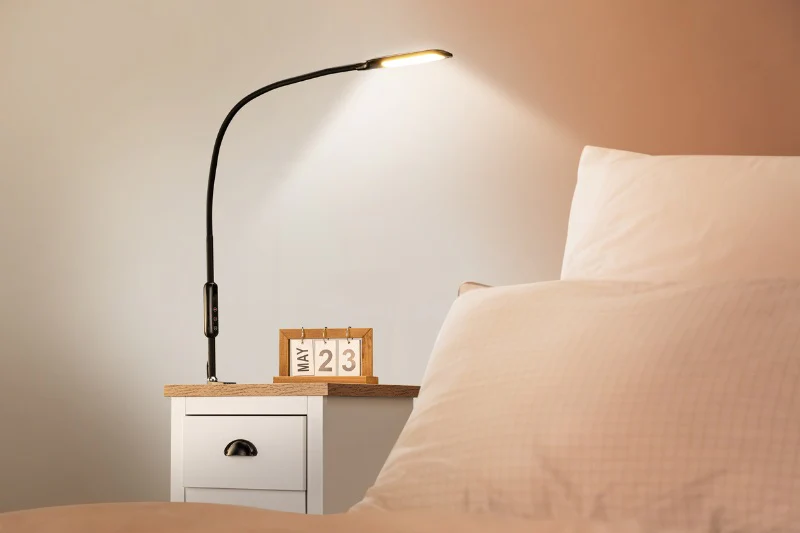
Task lights focus on specific zones where you need extra visibility, such as near weights, treadmills, or stretching mats. Adjustable reading lamps, wall sconces, or under-cabinet LEDs can be positioned to eliminate shadows and highlight important areas. This is especially useful for activities that require precision, like yoga or Pilates.
Accent and Safety Lighting
Accent lights add visual interest and can help define workout zones, while safety lights—such as motion sensor night lights—provide guidance for early morning or late-night sessions. These are particularly helpful in multi-use rooms or if your gym is in a basement or garage with limited natural light.
Key Considerations for a Secure Workout Environment
When planning lighting for safe exercise areas, keep the following factors in mind to maximize both safety and comfort:
- Brightness: Aim for at least 300–500 lumens per square meter for general exercise. Brighter lights may be needed for detailed tasks or for users with vision impairments.
- Color temperature: Cool white (4000–5000K) is ideal for alertness and visibility, while warmer tones (2700–3500K) can be used for relaxation zones.
- Glare reduction: Choose fixtures with diffusers or frosted covers to prevent harsh reflections, especially near mirrors or screens.
- Shadow control: Layer lighting from multiple sources to minimize shadows that can obscure hazards.
- Switch accessibility: Install switches or smart controls within easy reach, or use motion sensors for hands-free operation.
- Energy efficiency: Opt for LED bulbs and fixtures to reduce power consumption and heat output.
Common Mistakes to Avoid
Even with the best intentions, it’s easy to overlook certain pitfalls when setting up lights for workout spaces. Here are some frequent errors and how to avoid them:
- Relying on a single overhead light: This can create uneven illumination and deep shadows. Combine ambient, task, and accent lighting for balanced coverage.
- Ignoring natural light sources: If your space has windows, use daylight to your advantage but supplement with artificial lights for cloudy days or evening workouts.
- Using bulbs that are too dim or harsh: Insufficient brightness or overly cool tones can strain your eyes and reduce motivation.
- Placing lights where they cause glare: Avoid positioning fixtures directly above mirrors or shiny equipment.
- Neglecting safety in transition areas: Hallways, stairs, and entryways leading to your exercise zone should also be well-lit to prevent accidents.
Additional Tips for Enhancing Home Gym Safety
Beyond lighting, consider these extra steps to make your workout area even safer:
- Keep floors clear of clutter and cords.
- Use non-slip mats or flooring designed for exercise.
- Secure heavy equipment and store smaller items in accessible locations.
- Install mirrors to monitor form and increase perceived brightness.
- Check that all fixtures are securely mounted and wires are safely tucked away.
For more information on making your home accessible and secure, you might also be interested in learning about walk-in tub frame construction types and how they impact safety in other areas of the house.
Frequently Asked Questions
What is the best type of lighting for a home gym?
The most effective setup combines ambient lighting (such as LED recessed fixtures) with task and accent lights. This approach ensures even illumination, minimizes shadows, and allows you to adjust brightness for different activities.
How bright should my exercise area be?
Aim for at least 300–500 lumens per square meter. Brighter lighting may be needed for detailed activities or for individuals with vision challenges. Adjustable fixtures or dimmable bulbs offer flexibility for various workout routines.
Are motion sensor lights useful in workout spaces?
Yes, motion sensor night lights are a practical addition, especially for early morning or late-night exercise. They provide hands-free operation and help illuminate pathways, reducing the risk of trips and falls.
How can I reduce glare and shadows in my workout area?
Use multiple light sources at different angles, choose fixtures with diffusers, and avoid placing lights directly above mirrors. Layering your lighting helps create a balanced, shadow-free environment.
Thoughtful planning and the right lighting choices can transform any room into a safe, motivating, and enjoyable exercise zone. By prioritizing visibility and comfort, you’ll set yourself up for more effective and injury-free workouts at home.